Class F Suppression Wet Chemical vs Dry Powder in Kitchens
Quick Answer: The right kitchen suppression system depends on what the cooking equipment produces, how fast flames grow, and how the hood works. Wet chemical systems excel for deep-fry and grease-laden vapors, while dry powder can fit certain hazard setups. For reliable compliance and clean performance, Kord Fire Protection helps choose and service the solution.
In commercial kitchens, the first rule stays simple: when fire starts, it does not wait for a meeting. That is why businesses rely on suppression, including Class F suppression, designed for cooking oils and fats. Wet chemical and dry powder both aim to stop a fire before it spreads through a hood system, ductwork, and filters. However, they do it in different ways, and those differences matter in real Australian workplaces, from retail food operations to large facilities that run all day.
For facilities comparing broader options, it also helps to understand how a complete fire suppression system fits into the site’s overall risk planning. In a kitchen, the details get very specific very fast, but the big picture still matters.
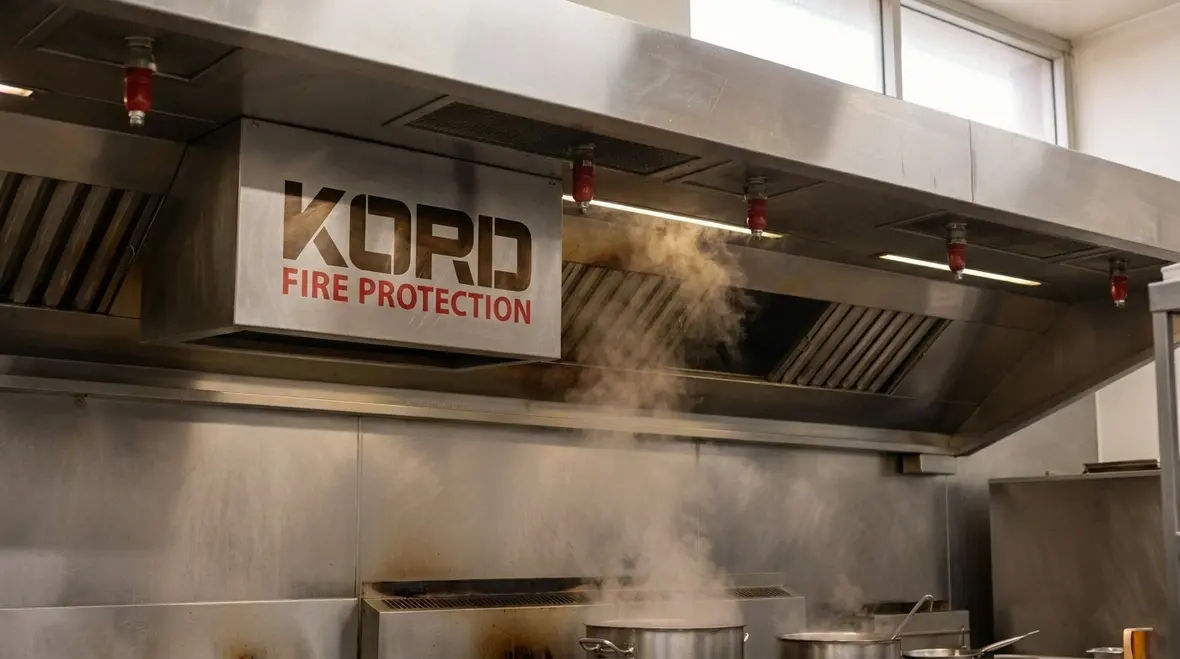
Class F suppression and how grease fires behave
Grease fires act like they have their own agenda. First, heat cooks the fuel. Then the vapors and mist ignite, often inside the hood and duct space. As a result, the suppression system must reach the right area quickly and control the burning layer, not just knock down flames.
Wet chemical systems use an extinguishing agent that creates a cooling and sealing action on the surface. In addition, the agent helps prevent re-ignition, which is key when staff must keep the kitchen functional during shift changes. Meanwhile, dry powder interrupts the chemical reaction and helps stop flame spread, but it typically does not provide the same ongoing surface protection that wet chemical does.
So, when a facility team chooses hardware without considering how cooking actually happens, they end up with a system that works “in theory” and fails in practice. And nobody wants that kind of surprise, especially not right after lunch rush.
Why grease behavior changes the suppression decision
A kitchen is not one hazard. It is a moving target shaped by menu, heat load, cooking duration, and cleaning discipline. A fryer running through peak service creates a very different fire profile from a lightly used appliance in a low-volume operation. That is why the best suppression choice comes from matching the agent to the hazard, not from copying what another site happened to install years ago.
Wet chemical suppression systems in practice
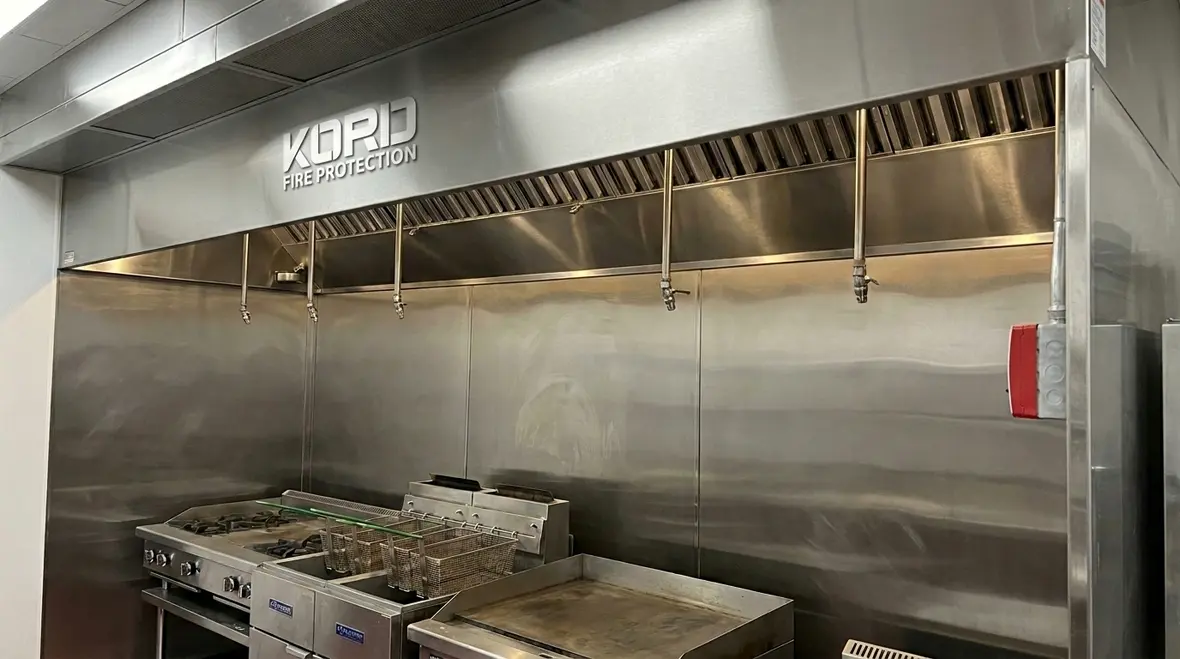
Wet chemical systems often suit kitchens where grease accumulation is heavy and ignition risk is consistent, such as high-output fryers, grills with oil mist, and operations that run long cooking cycles. These systems discharge a fine mist of agent into the hood plenum and, depending on design, associated duct sections.
Because wet chemical forms a coating on burning surfaces, it can reduce the chance of re-flash. Furthermore, it supports a safer post-incident restart, since the suppression approach focuses on cooling and sealing rather than only extinguishing the visible flame.
However, the facility team must still plan for the practical realities of use and maintenance. For example, the hood design, agent storage, pipe layout, and nozzle placement determine coverage. If the hood is modified or filters get changed without design review, coverage can shrink, and response can slow. In other words, the system can do its job, but it cannot fix poor installation or unmanaged kitchen changes.
Wet chemical also tends to align well with kitchens that want a predictable outcome for fire response teams. In addition, many businesses appreciate that it targets grease fires directly, rather than relying on a “generic” hazard response.

Where wet chemical usually shines
- Deep-fry lines with heavy grease loading and long production cycles.
- Kitchen layouts where re-ignition control matters just as much as initial flame knockdown.
- Operations that want cleaner post-incident recovery planning around grease hazards.
- Sites that need a solution closely aligned to Class F fire behavior in hoods and ducts.
Dry powder suppression systems and when they fit
Dry powder can work well when the hazard profile calls for it, especially in spaces where multiple equipment types exist or where wet agent application may create operational concerns. It works by interrupting the fire’s chemical process and reducing the flame’s ability to continue.
Yet kitchen environments often create a specific challenge: grease can keep burning or re-ignite after initial knockdown if the surface remains hot and active. Therefore, a dry powder choice may need careful review to ensure it suits the real ignition pattern in that kitchen.
Another practical factor is cleanup. Dry powder can leave residue that affects surfaces, equipment, and food handling areas. Consequently, facilities should plan for rapid remediation, controlled access, and a clear return-to-service process.
For some commercial layouts, dry powder also needs robust protection coverage and correct nozzle strategy. If coverage gaps exist, staff may see partial suppression only, which can turn a manageable event into an incident that takes longer to resolve. Nobody wants a “slow-motion fire story,” even if Hollywood makes it look cool.
Questions to ask before choosing dry powder
- Does the hazard involve persistent hot oil surfaces after flame knockdown?
- Will residue cleanup affect business continuity, food safety workflows, or equipment availability?
- Has nozzle coverage been reviewed against the actual hood, appliance layout, and duct path?
- Are operational constraints driving the decision more than the fire behavior itself?
Choose based on equipment, hood design, and real operating cycles
When decision makers evaluate wet chemical vs dry powder, they should stop thinking like shoppers and start thinking like fire safety engineers. First, they must list the cooking equipment that generates grease vapors. Fryers, deep fryers, grills, woks, and charbroilers do not all behave the same way, and the suppression system must match that reality.
Then they should assess hood type, duct run length, and how the facility captures grease. After that, teams should examine airflow settings. Air movement affects how heat and vapors travel, which influences how suppression reaches the hazard. In addition, maintenance practices like filter schedules and hood cleaning affect how quickly grease accumulates and how intense a fire can become.
From there, it becomes easier to compare systems. Wet chemical often offers strong performance for grease hazards where re-flash prevention matters. Dry powder can make sense where the hazard profile, building constraints, or operational needs support its use. Still, selection should not be based on price alone, because the true cost of the wrong system includes downtime, residue cleanup, business interruption, and the reputational hit that follows fire events.
To keep the process grounded, facilities should request a design review that considers real cooking operations, not just schematic assumptions. That is where professional partner support becomes a difference maker.
Wet Chemical
Best fit for grease-focused cooking hazards, strong surface cooling and re-activation control, commonly used in Class F suppression applications, often aligns with ducted hood scenarios where re-flash is a key concern.
Dry Powder
Can suit certain hazard profiles or operational constraints, interrupts flame spread, may require more cleanup planning, selection needs careful coverage review to match grease fire behavior and re-ignition risk.
Why Kord Fire Protection becomes the vital partner
Choosing the right suppression system is not a one-time purchase. It is an ongoing safety workflow that includes design, installation quality, commissioning, and service schedules. This is exactly where Kord Fire Protection can operate as a vital partner.
In Australia, industrial, retail, and commercial facilities need solutions that work within their site constraints and operational rhythms. Kord Fire Protection supports teams by helping define the right system approach for the hazard and then backing it with dependable service. Consequently, facility managers get fewer surprises during inspections and fewer headaches during return-to-service.
Moreover, good fire protection partners think ahead. They plan for kitchen changes such as equipment upgrades, hood modifications, and maintenance cycles. When those changes happen, the suppression system coverage and performance should adjust, not drift. And if staff run late-night operations or seasonal menu changes, Kord Fire Protection helps keep safety readiness steady.
Think of it like this: a suppression system is not a magic spell. It is a system, and systems require trained support. If this job were a TV show, Kord Fire Protection plays the part of the calm producer who knows where every detail goes, even when everyone else is panicking.
Maintenance, compliance, and business continuity
No matter which technology the facility chooses, it must manage maintenance properly. Absence of service turns good equipment into fragile equipment. For wet chemical systems, the agent status, release mechanism, pipe integrity, and nozzle conditions require checks. For dry powder systems, similar attention applies, including monitoring that the agent remains within operational requirements and that detection and release components stay reliable.
Additionally, kitchen staff and maintenance teams should understand what changes the risk profile. Grease buildup patterns, filter replacement habits, and cleaning schedules can shift the hazard conditions over time. Therefore, suppression performance depends on both the system hardware and the kitchen routine.
For Australian facilities, compliance expectations also shape planning. The best approach involves documenting inspections, scheduling service with realistic lead times, and coordinating any downtime with operational demands. In short, businesses need safety that stays dependable, not safety that shows up only when the calendar demands it.
A practical decision framework
- Identify appliances that generate grease vapors, mist, or persistent high surface temperatures.
- Review hood geometry, duct sections, filters, and airflow behavior.
- Compare agent performance against re-ignition risk and cleanup consequences.
- Plan service intervals and change-management reviews whenever the kitchen layout changes.
- Choose a provider that can support design, commissioning, maintenance, and future adjustments.
Conclusion: get the right system before the alarm hits
Choosing wet chemical vs dry powder should start with how the kitchen cooks, how the hood captures grease, and how quickly a fire can escalate. When the selection, installation, and service align, Class F suppression becomes a dependable shield for industrial and commercial operations. Kord Fire Protection can guide the process from design to maintenance, helping facilities stay compliant and reduce downtime. Book an assessment with Kord Fire Protection and let safety stay steady, even when the kitchen runs hot.