CO2 Extinguisher Australia for Server Room Fire Protection
Quick answer: Server rooms demand clean, controlled fire response. Many sites choose a CO2 extinguisher Australia approach because it can knock down flames without leaving messy residue. Still, the right choice depends on heat source, enclosure design, cabling layout, and local compliance. A trained partner helps teams pick, install, and maintain the correct unit.
In the middle of a hot server room, the goal is simple: put out the fire fast, protect critical equipment, and avoid a second disaster from dust, foam, or runoff. That is why businesses across Australia often start their planning with a CO2 extinguisher Australia mindset: clean discharge, clear visibility, and a tactical response for small to incipient incidents. However, selecting the right extinguisher type is not guesswork. It is a careful match between fire behavior, electrical risk, and operational realities.
As part of that planning, it also helps to look at broader fire extinguisher services so the equipment, placement, and maintenance schedule all work together instead of becoming three separate headaches in a trench coat.
Server rooms burn differently, so the extinguisher must match
Server rooms usually fail in predictable patterns. First, an electrical fault, overheating patch panel, damaged PSU, or blocked airflow triggers a localized fire. Next, heat spreads into plastics, cable insulation, and rack components. Finally, smoke and residue interfere with equipment recovery and business continuity. Therefore, responders need an extinguisher that supports the kind of fire they actually face.
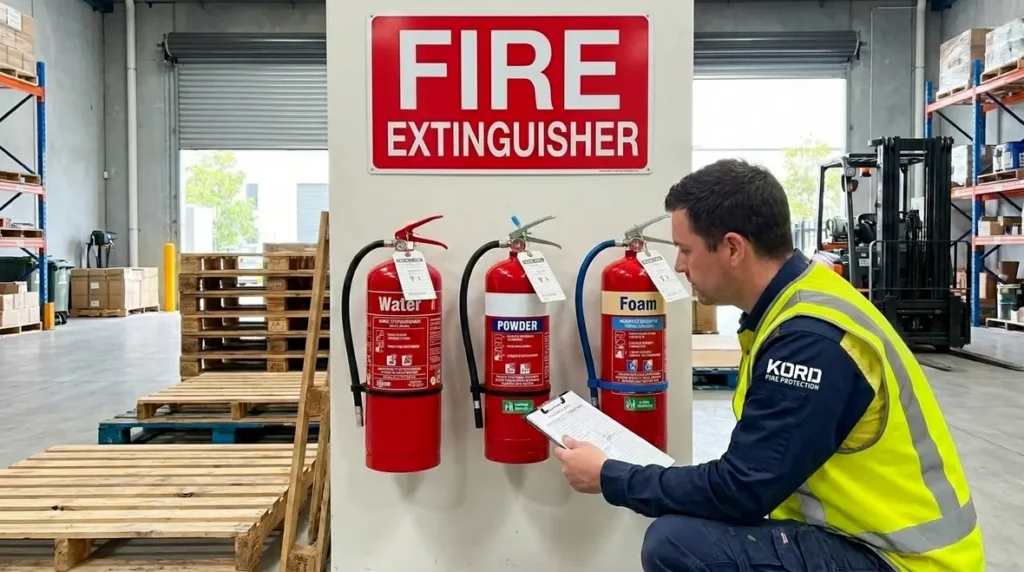
For that reason, extinguishers fall into categories that act in different ways. Some cool, some smother, and some interrupt chemical reactions. A water based method might sound straightforward, but it can create conductivity hazards around energized parts and cause messy cleanup that no data team wants to do after hours. Meanwhile, agents like dry chemical can leave residue that clings to vents and circuit boards.
So yes, the extinguisher choice can feel like picking a tool for a job. But imagine using a wrench when you needed a scalpel. You might still “fix” something. Or you might just make it worse. In a server room, worse gets expensive fast.
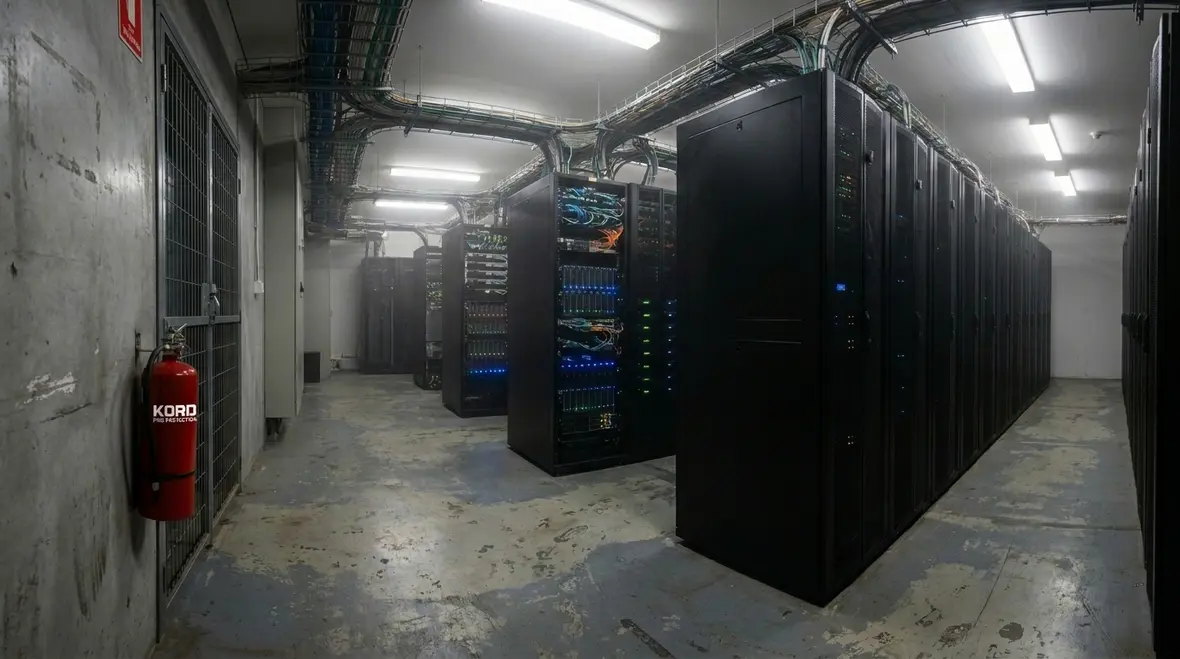
How CO2 extinguisher Australia supports electrical and equipment risk
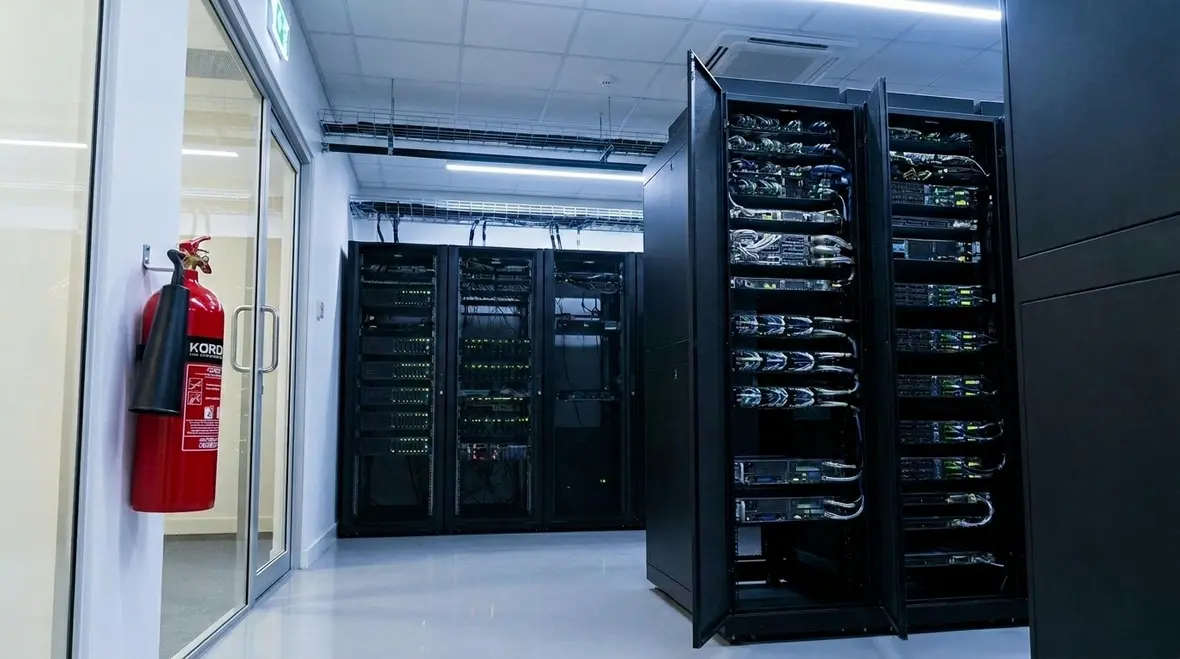
CO2 extinguisher Australia units tend to be selected when the priority is rapid flame knockdown with minimal residue. CO2 works by displacing oxygen around the fire area. As a result, it reduces the fire’s ability to keep burning. Additionally, because CO2 does not conduct electricity, it suits scenarios where electrical equipment is involved, provided the incident stays within the unit’s intended use.
That said, CO2 is not magic. It still has limits. It can be less effective where flames hide behind enclosed rack spaces or where airflow quickly pulls gas away. Also, the operator must understand discharge characteristics and maintain safe distances. As a transition, think of CO2 as a tactical strike, not a whole room reset button.
To choose wisely, a facility should assess likely fire size. If the design and controls allow early detection, a CO2 response can be practical for small fires. Conversely, if flames can grow behind walls or inside dense cabling, another agent or a fixed system may offer better coverage.
Facilities reviewing this option often also compare it with broader electrical fire protection planning, especially where uptime matters and nobody wants a “small incident” turning into an overnight outage with a side order of panic.
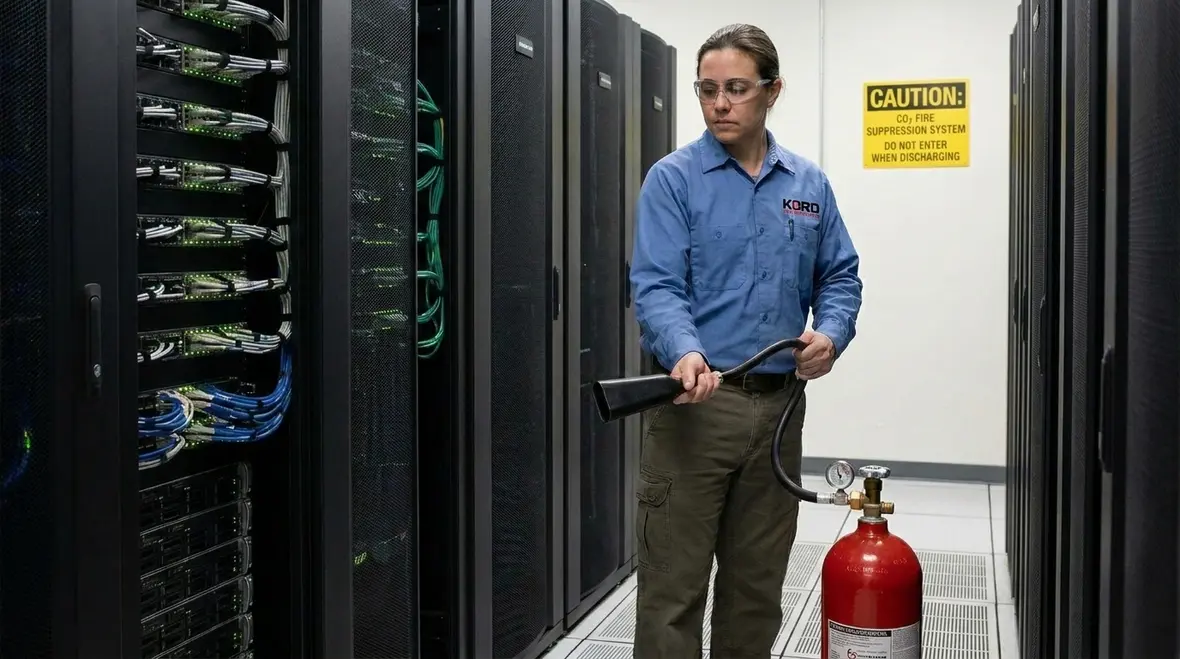
Choosing between CO2, clean agents, and dry chemical for racks
When a site plans server room fire protection, it should evaluate what burns first and where the fire will travel. Then it should select an extinguisher type that fits those conditions. Here is how teams typically think about the main options.
CO2 extinguisher approach
CO2 supports electrical environments and aims to avoid sticky residue. It can help preserve equipment surfaces and reduce cleanup burden. However, it requires clear access to the fire area and proper operator training.
Clean agent systems and options
Certain clean agents focus on suppressing chemical reactions or displacing oxygen at a more controlled level. In practice, they often align with enclosed spaces and higher value equipment. They can reduce mess, but they require correct design, maintenance, and correct discharge expectations.
Dry chemical extinguishers
Dry chemical can be effective at knocking down flames quickly. Still, it can leave residue that affects sensitive equipment after discharge. For server rooms, this option often becomes a “last resort” unless the site has a defined recovery plan and equipment tolerance.
To keep decisions solid, facilities should also consider airflow and rack density. For example, front to back hot aisle flow can move smoke and heat in ways that change where extinguishing agents must reach. Therefore, the extinguisher type should connect with the site’s ventilation patterns and access paths.
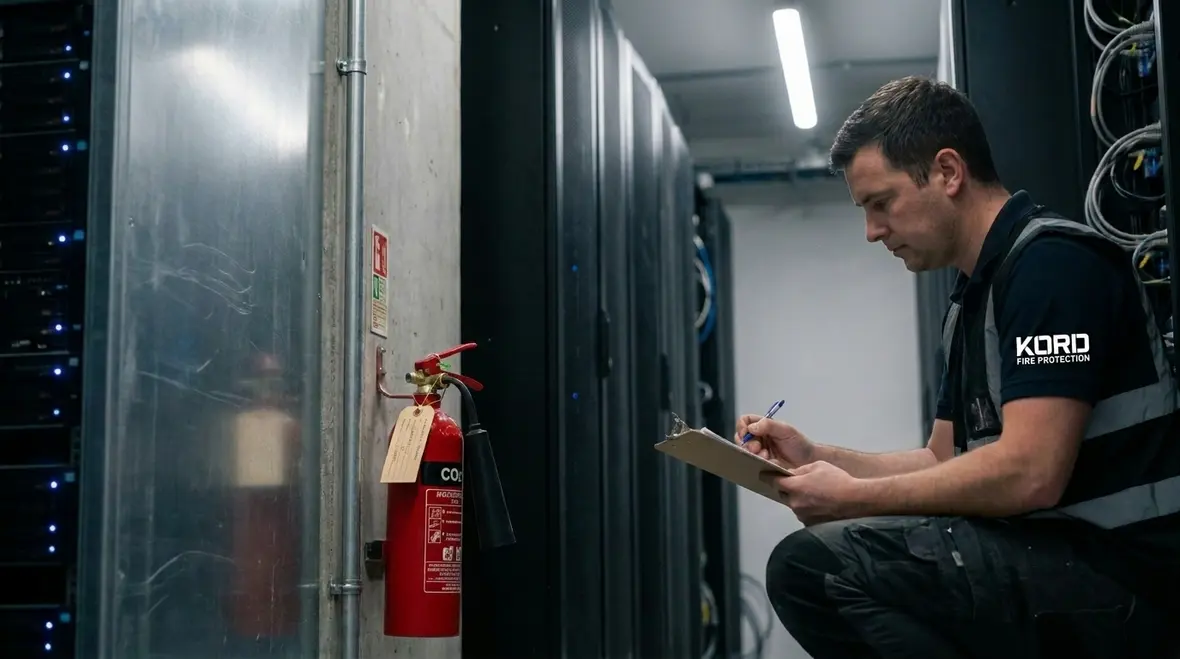
Placement, signage, and travel distance matter as much as the agent
People often choose an extinguisher and then forget where it sits. That is where the plan can quietly fail. If staff must run past hazards or reach cramped corners during stress, response time slips. So the design should include placement, clear signage, and safe access routes.
Key details facilities commonly manage include:
- Mounting height and visibility so staff can locate units in smoke or low light
- Travel distance based on room size and typical access routes
- Hose guidance and discharge reach so the operator can apply the agent without stepping into danger
- Rack layout awareness to ensure staff can reach likely ignition points
- Containment expectations so the selected agent aligns with how far flames might spread
And yes, signage matters even if it feels boring. Smoke does not ask for permission, and your staff should not have to “find the extinguisher like Waldo.” A well placed unit turns training into action.
Maintenance and compliance keep the system ready when seconds count
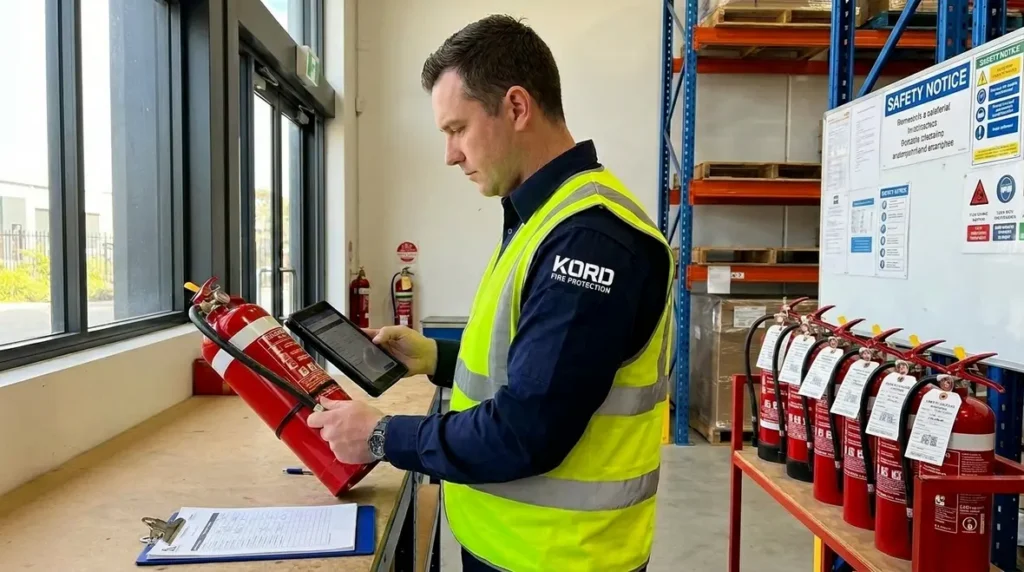
Even the best CO2 extinguisher Australia style solution becomes risky if maintenance falls behind. Pressure checks, seal integrity, inspection tags, and servicing schedules ensure the unit performs as expected. Additionally, teams should confirm the correct agent type and rating for the hazards in that server room zone.
Moreover, staff training should not be a once-a-year slide deck. A facility benefits when technicians understand the discharge method, safety steps, and what to do after suppression. That includes evacuation, isolating power if safe, and coordinating with emergency response resources.
At this point, it helps to bring in real expertise. That is where Kord Fire Protection can become a vital partner for industrial, retail, commercial, and multi site facilities across Australia. They support the full lifecycle of fire protection planning: selecting appropriate extinguisher types, advising on placement and coverage, and helping teams maintain readiness through practical inspections and service support. In other words, they help turn “we bought equipment” into “we can actually use it effectively.”
Staff readiness and scenario planning reduce chaos
In the event of an incident, panic steals focus faster than smoke steals oxygen. Therefore, facilities should run simple scenario planning that matches their building layout. Staff should practice decision making, not just extinguisher handling.
Consider these practical steps:
- Assign roles for who calls emergency services, who attempts suppression, and who isolates power
- Define stop conditions so staff know when to retreat
- Practice access routes around hot aisles, cages, and equipment enclosures
- Confirm after action steps such as documentation, equipment triage, and incident reporting
Then, after the drill, teams should update the plan if the route felt blocked or the unit was hard to reach. This approach keeps training honest. It also prevents the classic HR style problem: the plan exists. Nobody can execute it. Everyone still gets coffee though, which is… something.
FAQ
Conclusion: get the right extinguisher setup before you need it
Choosing the right extinguisher type for server room fire protection protects people, limits damage, and keeps business running. A planned approach that considers risk, placement, and maintenance outperforms guesswork every time. Kord Fire Protection helps industrial, retail, and commercial sites across Australia select suitable extinguisher options, support compliance, and keep equipment ready for action. If you want a system your team can actually use, contact Kord Fire Protection today for an on site assessment and a clear plan.