Fire Alarm Monitoring Service Response and Verification in Australia
Quick Answer: When a fire alarm activates, the system sends an alert to a monitoring center, which verifies the signal, notifies the right responders, and provides real time incident details. After that, technicians coordinate investigation, panel history review, and communication with site leadership to restore safety fast. Kord Fire Protection can manage this end to end.
Fire alarms do not politely wait for someone to notice the smoke. When they activate, the priority becomes immediate detection, smart verification, and fast response. That is where our alarm monitoring service enters the picture. Kord Fire Protection helps industrial, retail, and commercial facilities across Australia turn a loud alarm event into a controlled action plan. And yes, nobody wants the “false alarm” argument while a team is standing around, holding their coffee like it will fix the problem.
For facilities reviewing the wider system behind monitored alerts, Kord Fire Protection also supports fire alarm systems that keep reporting, escalation, and on site response aligned from the start.
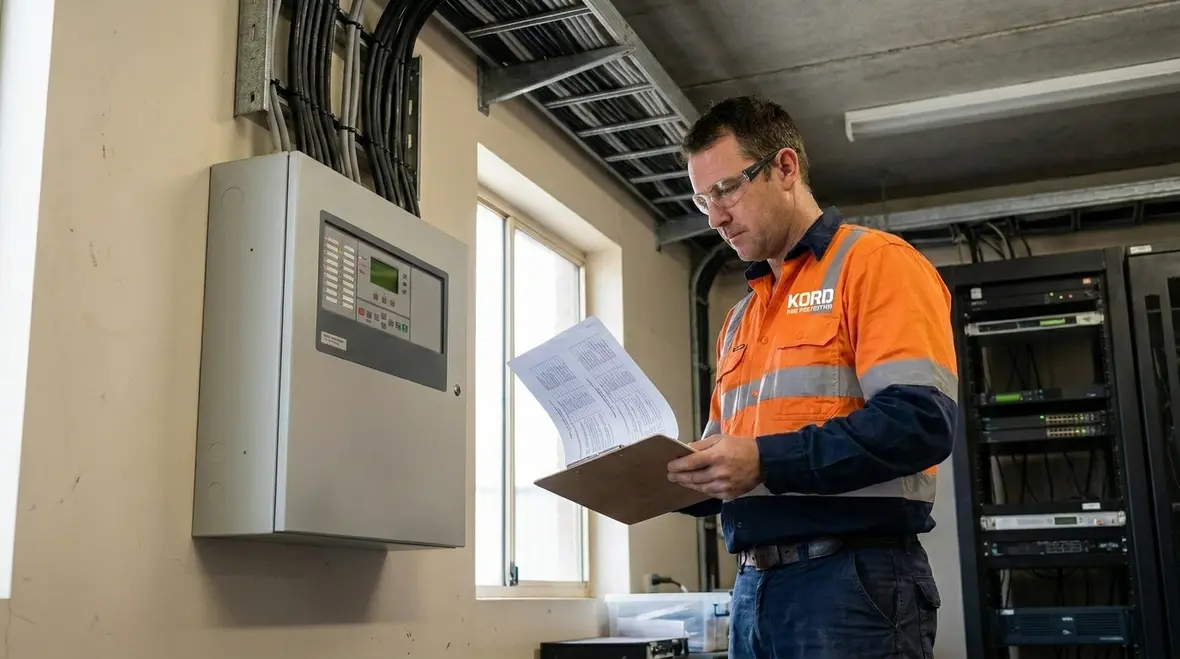
What triggers the alarm monitoring service response first
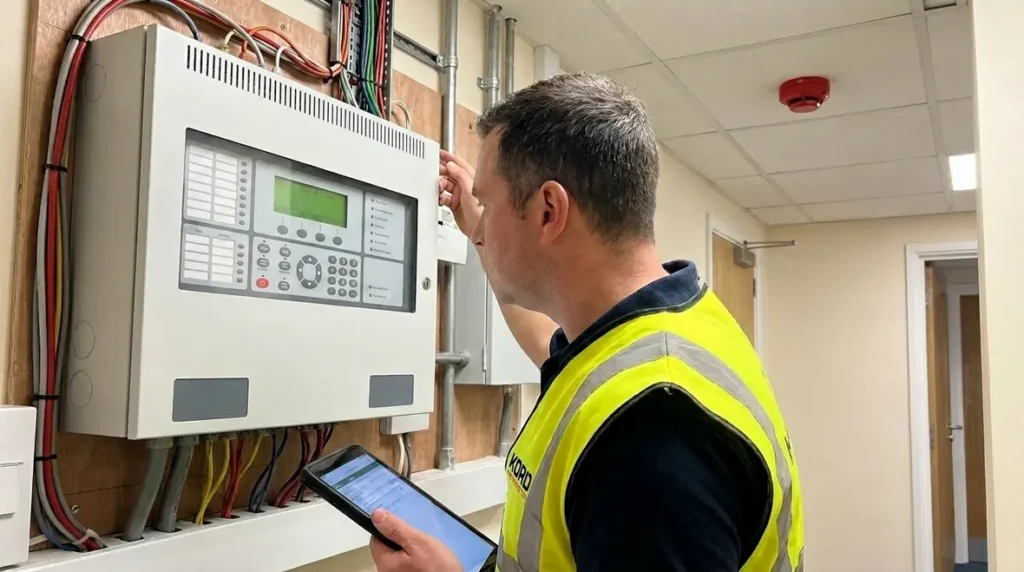
After activation, the process starts at the panel level. A detector or manual call point sends a signal to the fire alarm control panel. Then the panel reports that event to the monitoring path, which can include dedicated communication lines, approved digital channels, and structured alarm reporting. At this stage, the system typically classifies the event by type, location, and priority.
Next, the monitoring center receives the transmission and confirms it matches a valid event format. Because busy sites sometimes have maintenance activity, the monitoring process does not treat every alert like the start of a movie explosion scene. Instead, it checks the signal details against what the system expects. Then the center prepares the next steps based on the event category and the site’s escalation rules.
From there, the incident moves to verification and notification. However, the monitoring team can only do this correctly if the system is configured well and the facility information stays current. Kord Fire Protection supports the setup and ongoing management so the right parties get the right message, the first time.
Why panel data quality matters
A monitoring service is only as useful as the information it receives. If device labels are vague, zones are outdated, or escalation contacts have changed without being updated, the response loses speed when speed matters most. That is why facilities should treat panel programming and contact records like live operational assets, not paperwork that gets buried until the next audit.

What happens during verification and escalation
Once the alarm monitoring service receives the signal, the next phase focuses on verification and escalation. Verification means the monitoring team tries to determine whether the alarm indicates a likely fire condition or a fault. They do this by reviewing the event type, zone information, device history, and any accompanying signals such as supervisory or fault messages.
Then escalation begins. The monitoring center follows a pre agreed call tree that may include site contacts, security, facilities managers, and emergency responders. Importantly, escalation does not rely on one person “hearing things.” It uses structured communication so the response stays consistent even when the shift is short staffed or everyone is already dealing with something else.
In industrial settings, the location detail matters. A warehouse zone and a plant equipment area do not carry the same risk profile, so the incident details should reach responders clearly. For retail and commercial buildings, notification also supports orderly evacuation and quick access for first responders.
At this stage, Kord Fire Protection becomes a vital partner by aligning the monitoring workflow with the actual site operations. As a result, monitoring teams and facility contacts work from the same playbook, not a guessing game played at the worst possible time.
Verification is about context, not panic
Good verification does not slow the response down for the sake of bureaucracy. It adds context. By comparing event type, zone, recent faults, and maintenance activity, the monitoring team can tell whether the situation looks like a genuine emergency, a developing issue, or a fault that still needs attention. That reduces confusion and helps sites avoid the classic scene where everyone is urgently moving with no idea where to move first.
How monitoring centers notify responders and the site
After verification, the system supports rapid notification. The monitoring center transmits the event details to emergency services and site contacts using approved communication procedures. The message should include location, alarm type, and other relevant details the panel provides. That way, responders reach the correct area without wasting time driving in circles like a cartoon character who forgot where the exit is.
Meanwhile, site notification typically follows the facility’s internal process. This may include sounding alarms on site, guiding evacuation procedures, and coordinating site access. Many facilities also want clear status updates so leadership does not learn about the event from rumor and smoke alarms, which are great at being loud but terrible at being informative.
In practical terms, alarm monitoring service helps create a chain of responsibility. It links the panel to the monitoring center to the responders and then to the site’s decision makers. However, that only works well when the facility contact list, escalation times, and alarm classifications stay accurate. Kord Fire Protection can help maintain that accuracy through service coordination and periodic review.
- Alarm location and zone identification
- Alarm type and device status
- Primary and secondary contact notification
- Emergency service communication
- Site leadership status updates
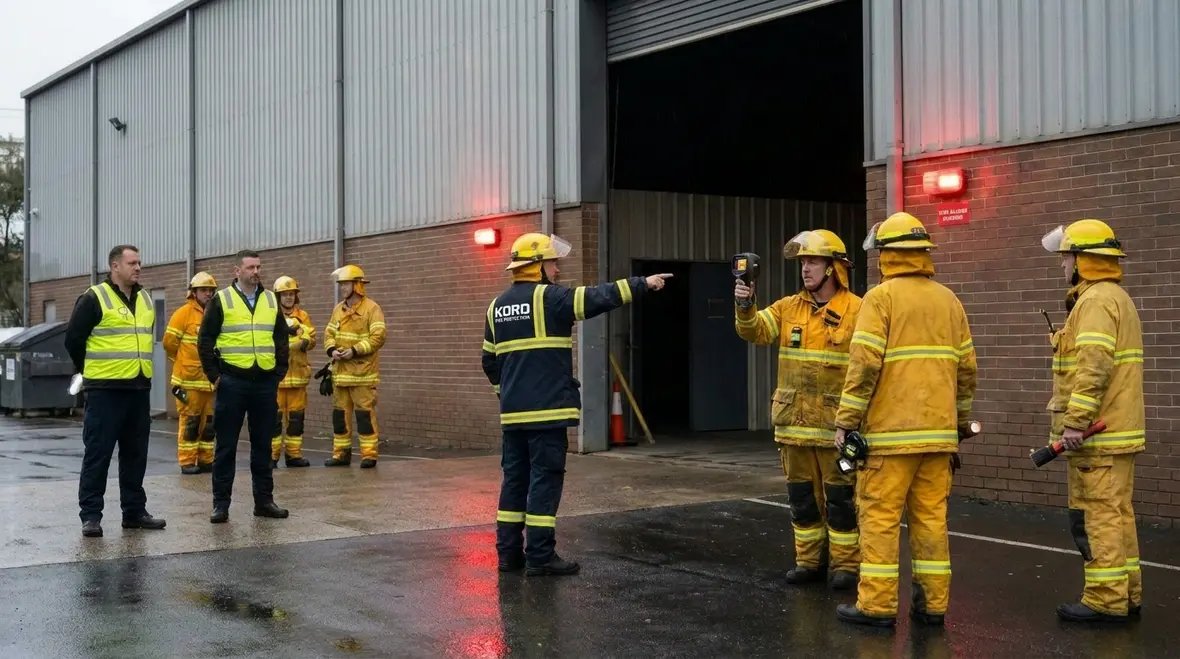
What teams do after responders arrive
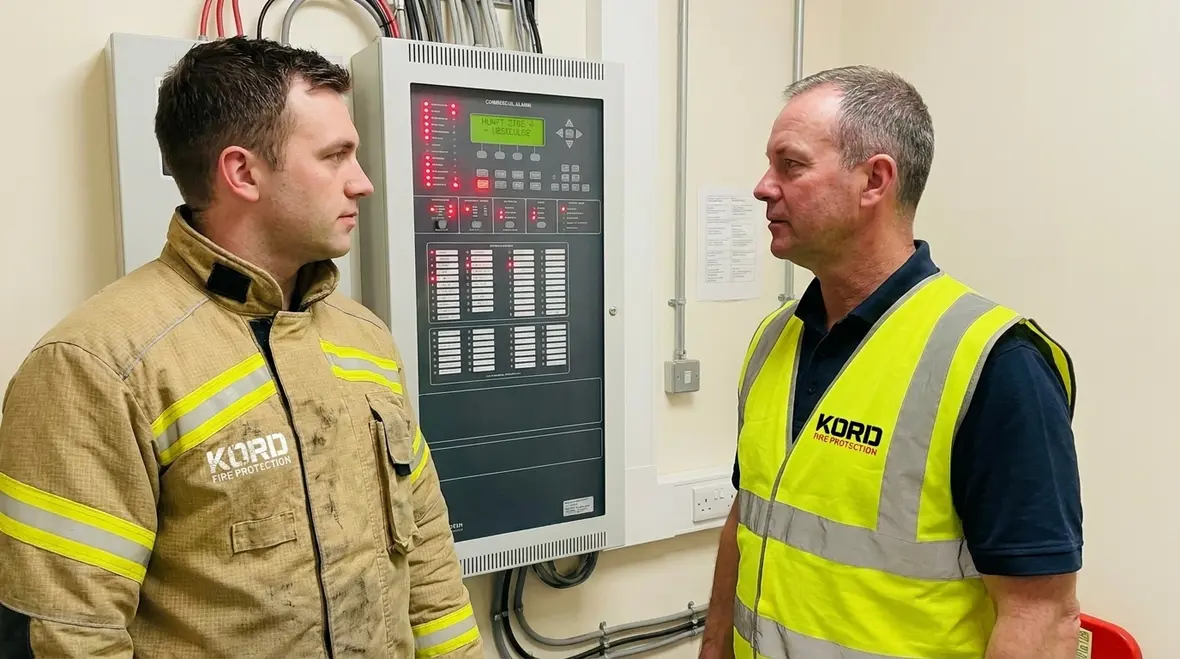
The alarm does not end when firefighters show up. After arrival, teams focus on incident control and evidence. Responders may inspect the device location, check for smoke or heat signatures, and confirm whether the activation matches the physical conditions. The monitoring center continues to track the status if the system supports ongoing reporting, such as new zones, trouble events, or silence actions.
Next comes communication management. Site leadership needs clear updates: what triggered the alarm, what areas are affected, whether the system reset is safe, and what steps come next. Monitoring provides a documented communication trail and helps reduce confusion during a high stress moment.
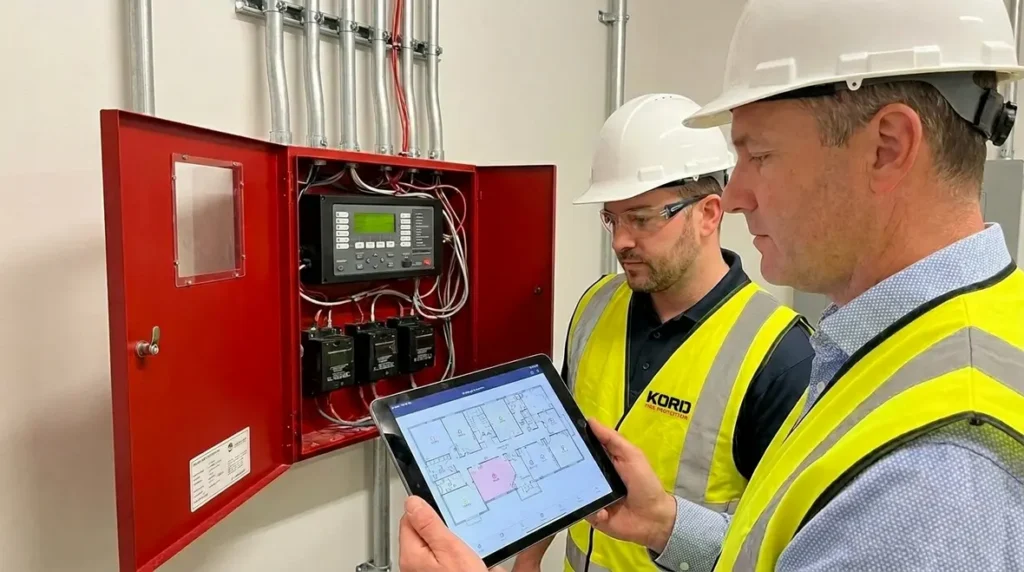
Then facilities teams work toward restoration. They often review panel history to understand the exact sequence. That includes which detector reported, when, and whether there were related supervisory signals. If the event was real, the site may need device replacement or adjustment. If it was a false activation, the team checks for dust buildup, improper maintenance, environmental influences, or misaligned devices.
Kord Fire Protection supports this whole phase by connecting monitoring insights with on site fire system service. In other words, the facility does not just “clear” the alarm and move on. It addresses the cause so the next activation behaves the way safety systems should.
Restoration should be deliberate
Resetting a panel too quickly can erase useful clues about what happened first, what followed, and whether multiple signals were involved. Capturing panel history, confirming the affected zone, and documenting actions taken creates a cleaner incident record. It also gives maintenance teams something better than guesswork when they start investigating.
How to reduce false alarms without taking risks
False alarms can drain budgets, disrupt operations, and create an awkward culture where people start ignoring alarms. That is a problem, not a punchline. To reduce false alarms, facilities should focus on detection reliability, correct device maintenance, and clean commissioning practices.
First, they should keep maintenance aligned with manufacturer requirements and local standards. Then they should verify that the environment matches device design. For example, certain manufacturing fumes, steam, dust, or seasonal airflow patterns can affect detection if the system design does not account for them.
Next, they should review panel programming and device placement. Over time, renovations and new equipment can change airflow patterns and risk zones. When a facility evolves, the fire system should evolve too, or else monitoring will report events that no longer reflect current conditions.
Finally, they should use incident feedback. After each event, the team should document what happened and compare it with the panel history and monitoring records. Kord Fire Protection helps sites build this feedback loop so alarm outcomes improve, rather than repeating the same “why did it trigger” conversation every quarter.
- Maintain detectors and call points on schedule
- Match device type to the environment
- Review panel programming after site changes
- Update contact lists and escalation rules
- Use post incident reviews to improve future response
Why Kord Fire Protection helps facilities stay ready across Australia
Facilities across Australia operate under different conditions, and the fire response needs to match local reality. Kord Fire Protection helps businesses treat fire safety like a system, not a last minute scramble. It supports alarm monitoring service workflows, and it also strengthens the underlying fire alarm installation and service side so monitoring data stays accurate and actionable.
Moreover, Kord Fire Protection works with industrial, retail, and commercial teams that need operational continuity. Therefore, the monitoring and system approach focuses on fast response, clear documentation, and practical restoration steps. When monitoring aligns with site operations, teams spend less time in confusion and more time in control.
In the end, that means when an alarm activates, the organization does not just react. It responds with confidence. And confidence, unlike smoke, is something people can actually breathe.
FAQ
What to do next after an incident
When the smoke clears, the next move matters. Facilities should secure the affected area if needed, document the timeline, and capture panel history before any reset steps remove useful data. Then they should coordinate inspection and any device service required to prevent repeats. Finally, they should review whether the monitoring escalation rules matched the actual event needs.
In the real world, this step often gets skipped because people want to move on. But fire protection does not work like that. Kord Fire Protection can help with incident follow up, system checks, and monitoring alignment so the next alarm delivers clarity, not confusion. That is good for safety, and it is also good for budgets.
Conclusion
After a fire alarm activates, effective response depends on more than noise. A strong alarm monitoring service workflow verifies the event, escalates correctly, and supports clear communication until the incident is controlled. Then it helps drive restoration through incident history review and proper follow up. Kord Fire Protection can be a steady, knowledgeable partner across Australia, aligning monitoring and fire system service for industrial, retail, and commercial sites. Contact Kord Fire Protection to strengthen your response today.