Fire Extinguisher Replacement Cost: Repair vs Replacement
Quick Answer (50 words)
Most facilities should choose repair when the extinguisher is still within serviceable limits, the pin seal is intact, and internal parts can be safely refurbished. Replacement makes sense when the unit fails inspection, has corrosion, or reaches end of life. For reliable compliance across Australia, Kord Fire Protection helps facilities decide and stay safe.
When a fire extinguisher fails an inspection, managers often ask the same question with the same urgency as a kitchen timer set to “definitely not too late.” The fire extinguisher replacement cost can feel like a punchline, but it is a real budget line. And yet, the real decision is not only about price. It is about compliance, downtime, and whether the unit can perform when it matters.
In industrial, retail, and commercial sites across Australia, the smartest move is to compare replacement and repair using evidence, not guesswork. That is where professional service matters, and where Kord Fire Protection becomes a vital partner for the job. If your team is also reviewing broader maintenance timing, see fire extinguisher services for a practical view of how ongoing servicing supports compliance from the start.
Fire extinguisher replacement vs repair: how facilities decide
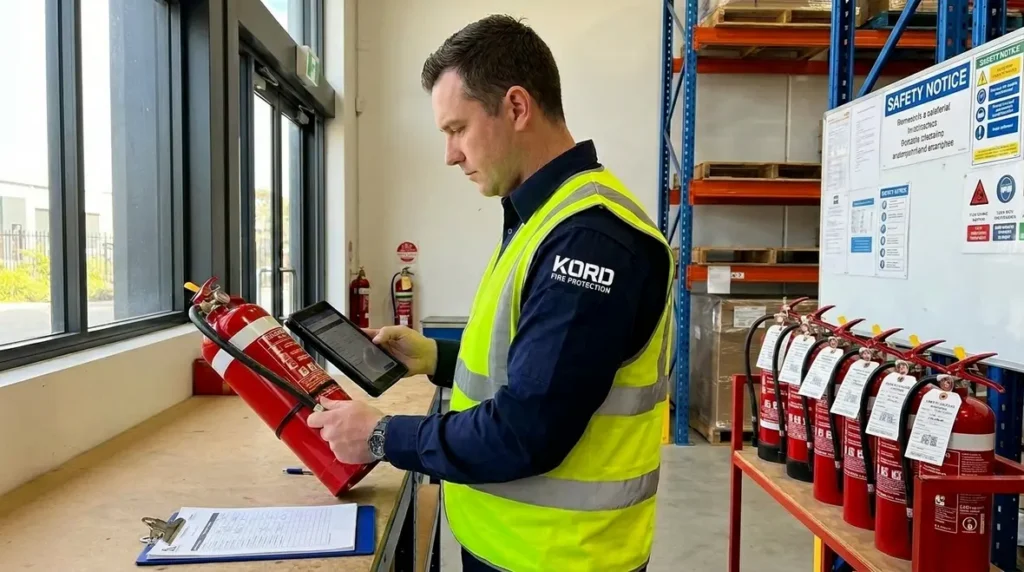
Third parties often treat this like a simple either or. In reality, the decision comes down to condition, inspection results, and the extinguisher’s lifecycle. First, the technician checks the shell, hose, valve, pressure gauge, and seals. Then, they verify whether the extinguisher can be serviced in line with Australian requirements and manufacturer instructions.
In many cases, repair solves the problem at a lower cost and with less operational disruption. However, if corrosion runs deep, a component is beyond safe limits, or the extinguisher has reached end of life, repair turns into a “we patched it, but can it save anyone” situation. And no facility wants that kind of gamble, even if the odds feel great on paper.
What technicians assess before choosing a path
A proper decision starts with evidence. The shell condition tells part of the story, but so do the gauge reading, operating lever, nozzle condition, hose integrity, and the state of tags and labels. If the basic structure is sound and the faults are limited to serviceable parts, repair may be the sensible option. If the extinguisher shows signs that its core safety has been compromised, replacement quickly becomes the more responsible move.
When repair actually works
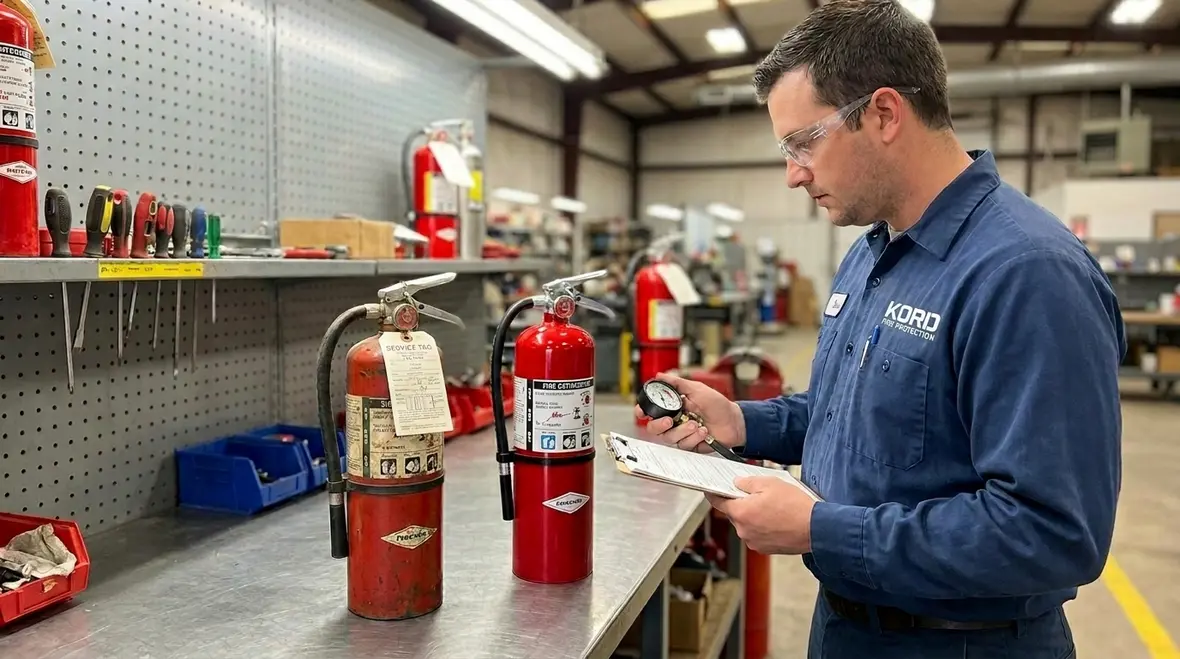
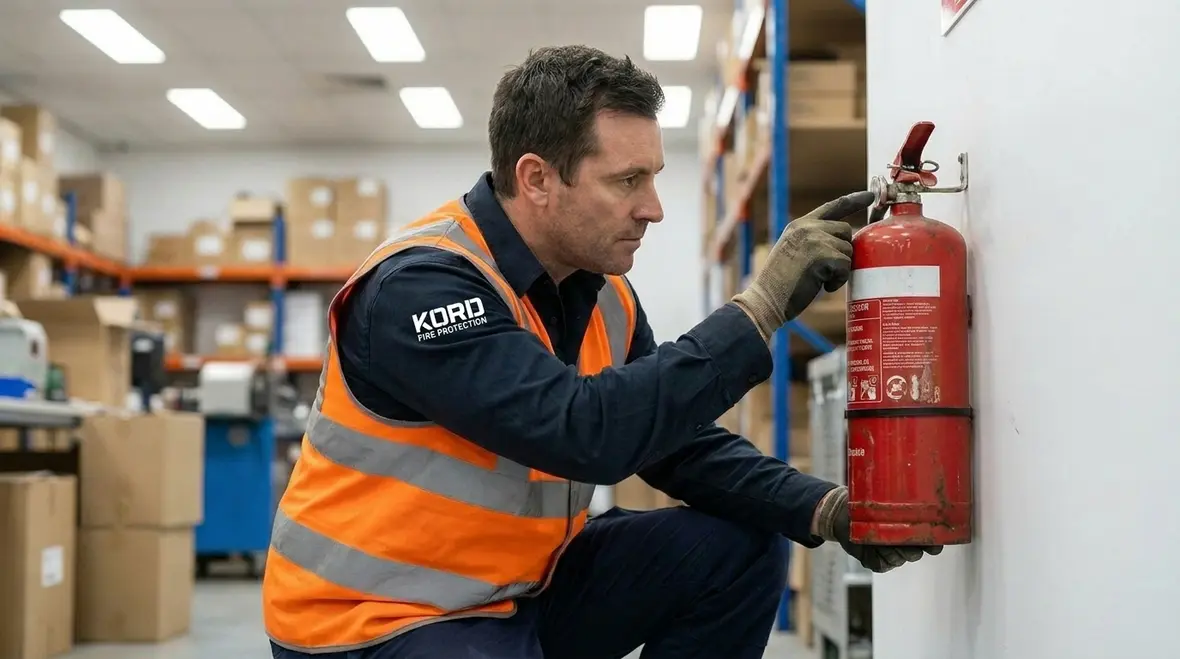
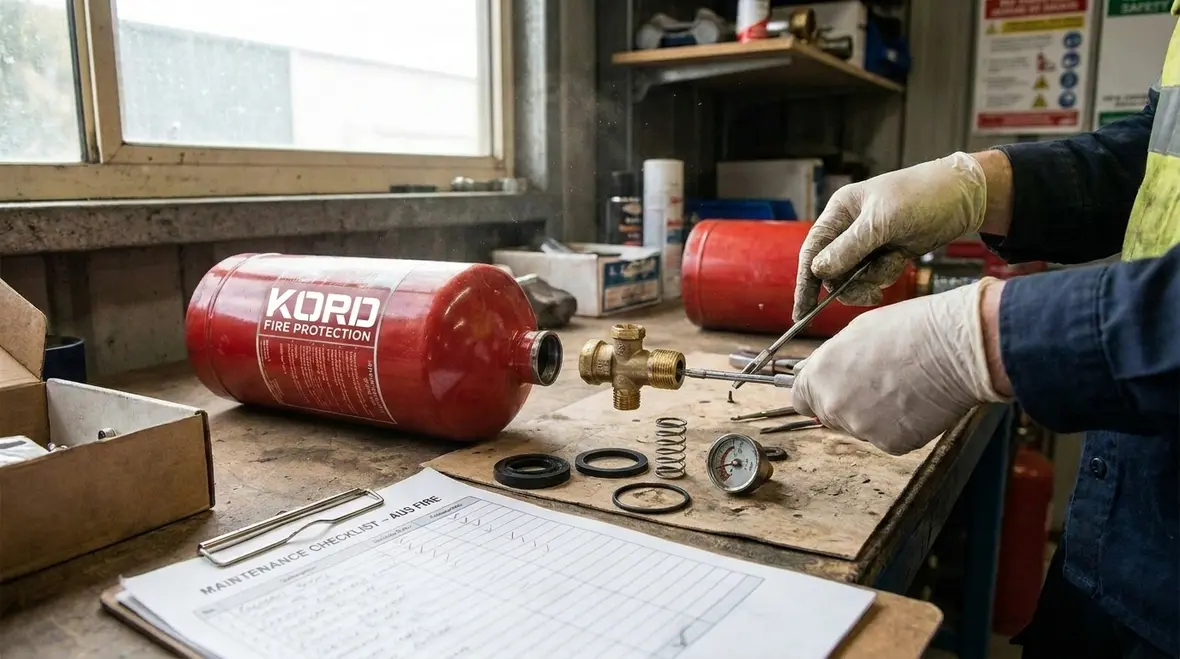
Repair makes sense when the unit is fundamentally sound. That usually means the cylinder is not dangerously corroded, the valve is not damaged, and the internal parts can be replaced or refurbished safely. Technicians also look at the discharge path and ensure the extinguisher can deliver the agent effectively.
To keep the process smooth, facilities should expect service steps like these:
- Visual inspection of the shell and labels for damage, dents, and corrosion
- Pressure gauge verification and checks for leaks
- Inspection of seals, pin, and operating mechanism
- Replacement of worn hoses and fittings when required
- Hydro or internal inspection when the extinguisher design and schedule call for it
After repair, the extinguisher returns to service with documentation and a new confidence level. Still, the key is that repair must restore safety, not just functionality. A properly repaired extinguisher behaves like a dependable teammate, not a tired understudy who “almost” knows the role.
Repair is most valuable when caught early
This is where routine servicing quietly saves money. Minor hose wear, faded labels, pin issues, and pressure concerns are usually much easier to handle before they snowball into major defects. When facilities leave extinguishers unchecked for too long, the line between repairable and replaceable gets crossed faster than anyone likes to admit. That makes consistent servicing less of a paperwork exercise and more of a practical budgeting tool.
When replacement becomes the safer move
Replacement becomes the right decision when repair cannot bring the extinguisher back to a safe operating state. This typically happens when the cylinder shows excessive corrosion, the valve assembly is compromised, the extinguisher fails pressure or internal inspection limits, or it has reached its effective service life.
Here is where the fire extinguisher replacement cost discussion turns practical. Even when replacement costs more upfront, it can prevent repeat service visits, reduce uncertainty, and lower risk during audits and incident response. Also, facilities avoid the awkward moment of finding out that “repair” was never going to pass inspection the next time around.
Common replacement triggers include:
- Severe corrosion inside or outside the cylinder
- Valve or discharge components beyond safe refurbishment
- Extinguishers that fail required pressure or performance checks
- Units reaching end of service life as defined by inspection schedules and manufacturer guidance
- Missing or illegible labels that prevent correct identification and compliance
In retail stores, warehouses, and commercial fit outs, downtime matters. Therefore, professional partners often coordinate replacement so staff do not get stuck without protection during peak operations.
Why replacement can be cheaper in the long run
A unit that repeatedly needs attention can quietly drain budgets through technician callouts, admin time, procurement delays, and coverage gaps. Replacement often stops that cycle. It also gives facilities a cleaner service history and a simpler audit trail, which is useful when sites are managing multiple extinguishers across different rooms, tenancies, or buildings. Sometimes the most cost effective choice is the one that ends the drama instead of scheduling its sequel.
How to estimate the true cost, not just the sticker price
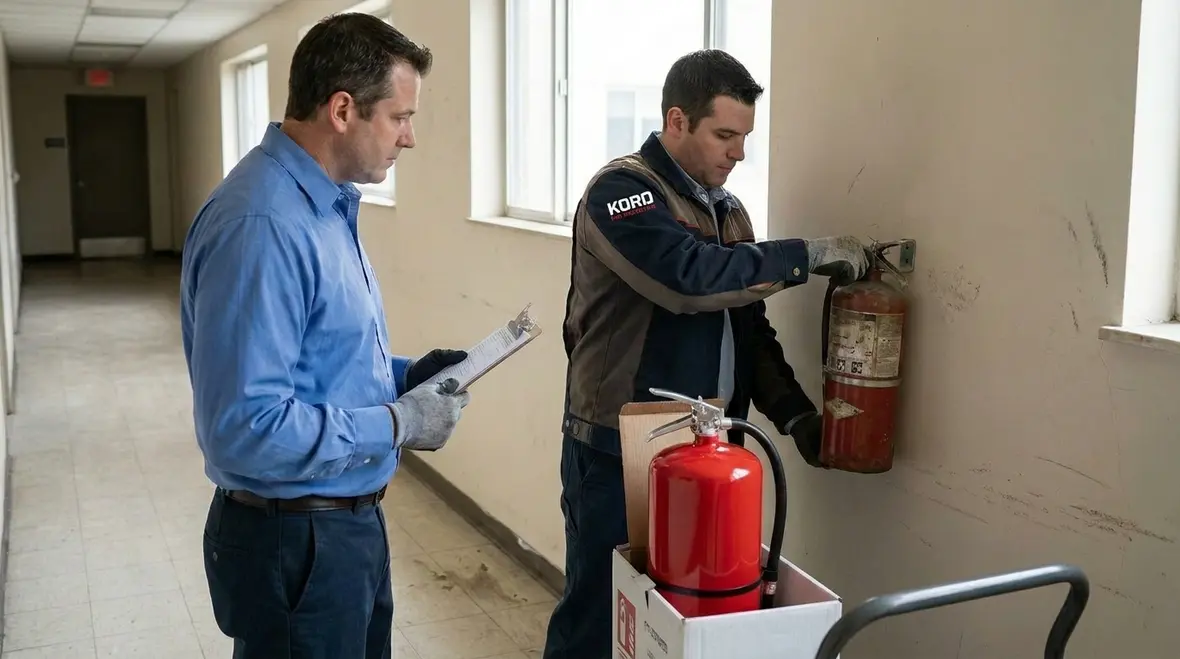
Many people only think about the immediate fire extinguisher replacement cost. Yet the real financial picture includes inspection labour, removal time, and whether the facility can keep coverage consistent while units come out of service. In other words, the cheapest option on day one can become the most expensive when you factor in repeat work or missed compliance windows.
To build a cost estimate that leadership can trust, facilities should consider these cost drivers:
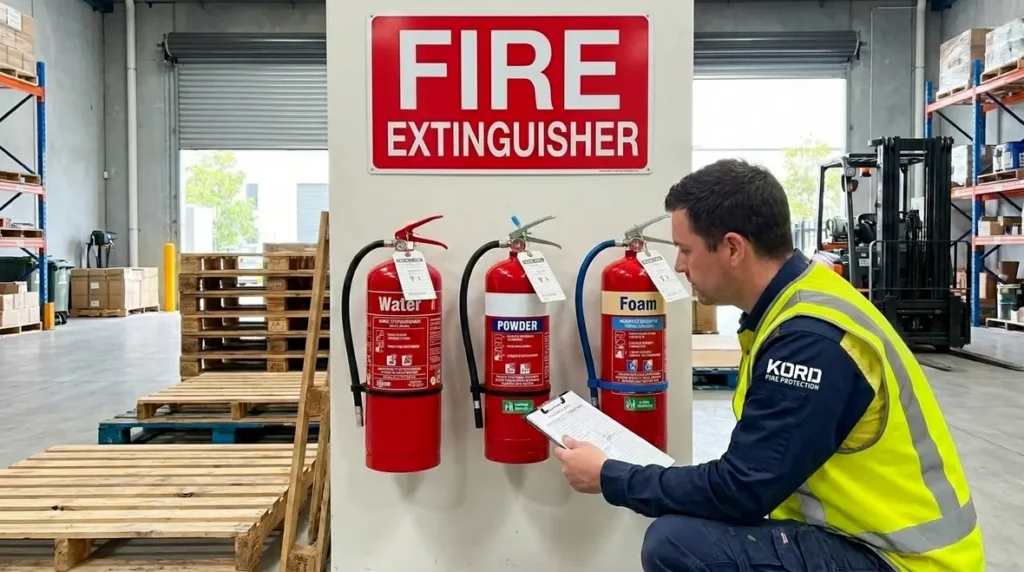
- Extinguisher type and agent, since some units require different parts and service steps
- Number of units, because bulk scheduling often reduces disruption
- Access conditions, like height, confined spaces, and need for isolations
- Service history, because neglected units can move from repair to replacement quickly
- Turnaround time, since faster return to service reduces operational downtime
Moreover, a strong service plan helps prevent surprise replacements later. When a facility tracks maintenance records and schedules, it avoids the dreaded scenario where the audit date arrives like a pop quiz with no warning. And nobody likes that.
Costs that do not show up on the first quote
There is also the cost of coordination. Someone has to organise access, log asset locations, check coverage during service, and confirm documentation after the work is complete. On a single small site, that may be manageable. Across multiple facilities, it turns into a genuine operational issue. A provider that understands site flow and scheduling can reduce those hidden costs significantly, which is why the cheapest quote is not always the cheapest outcome.
Why Kord Fire Protection supports the right decision
For industrial, retail, and commercial facilities across Australia, the decision does not need to happen in isolation. Kord Fire Protection can become a vital partner by providing clear inspection findings, honest recommendations, and practical scheduling that fits real operations. Instead of generic advice, teams receive service outcomes tied to the extinguisher’s condition.
That matters because replacement and repair should not be decided by guesswork, gut feel, or a quick internet search done on a phone in a back office. Kord Fire Protection helps facilities:
- Identify which units can be safely repaired and which require replacement
- Document service history for audit readiness
- Coordinate service timing to reduce downtime and protect coverage
- Plan across multiple sites so procurement runs smoothly
- Maintain reliable fire safety for different facility types, from warehouses to retail floors
And yes, it can also reduce the stress that comes with managing compliance across multiple locations. Fire safety is serious, but the process should not feel like it is being handled by characters in a low budget action movie.
Consistency matters more than heroic last minute fixes
The best maintenance systems are not dramatic. They are organised, documented, and predictable. That is exactly what site managers need when compliance obligations stretch across busy operations. Instead of dealing with rushed replacements before an inspection deadline, teams can make calmer decisions based on current condition, service history, and site priorities. It is a much better story than trying to save the day with a spreadsheet discovered five minutes before the meeting.

Fire extinguisher replacement cost: budgeting for compliance
Budgeting works best when facilities build a plan that blends repair and replacement over time. When teams schedule inspections consistently, they avoid sudden spikes in expenditure and ensure coverage stays uniform. Over time, repair handles many issues early, while replacement tackles units that truly need it.
Additionally, budgeting should account for the reality that different extinguisher categories wear differently under industrial conditions. Dusty environments, moisture exposure, and frequent vibration can accelerate wear, pushing some units toward replacement earlier than expected.
Ultimately, leadership teams should aim for a steady maintenance rhythm, not a chaotic scramble. When fire extinguisher replacement cost is planned properly, it becomes a predictable part of risk management, not a surprise bill that shows up like an unexpected guest who refuses to leave.
FAQ
Conclusion
Choosing fire extinguisher replacement versus repair should be a clear, evidence based decision. Facilities that inspect early, act fast on failures, and plan across sites avoid costly surprises and reduce risk. Kord Fire Protection helps industrial, retail, and commercial teams across Australia make the right call with reliable inspections, documentation, and scheduling that protects both people and operations. Contact Kord Fire Protection to review your extinguisher list and build a practical plan today.