Fire Extinguisher Tagging and Certification Australia
Quick Answer: Fire extinguisher tagging and certification are the processes that prove each unit is inspected, serviced, and ready for use. In Australia, businesses can use proper tags to track maintenance dates and audit history. With clear records, facilities reduce risk and stay compliant with safety rules.
In busy workplaces across Australia, a fire extinguisher tag Australia system does more than look neat on a wall. It ties real inspection work to real dates, so staff can trust what they grab during an emergency. And while no one wants to spend their afternoon thinking about extinguishers, regulators and insurers do. So, when tagging and certification are handled well, the business gets safer and calmer, not just paper compliant.
In this guide, third person clarity will walk through the process, explain what “certified” really means, and show why kord fire protection can become a vital partner for industrial, retail, commercial, and facility teams across the country. For organisations also reviewing broader maintenance routines, it helps to consider fire extinguisher services as part of the same compliance picture.

What fire extinguisher tagging really proves on site
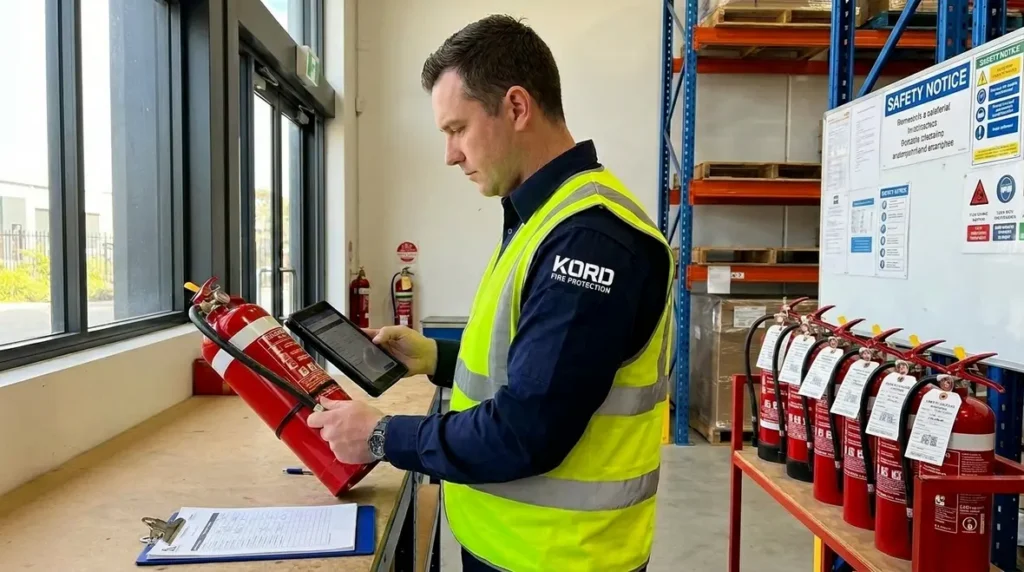
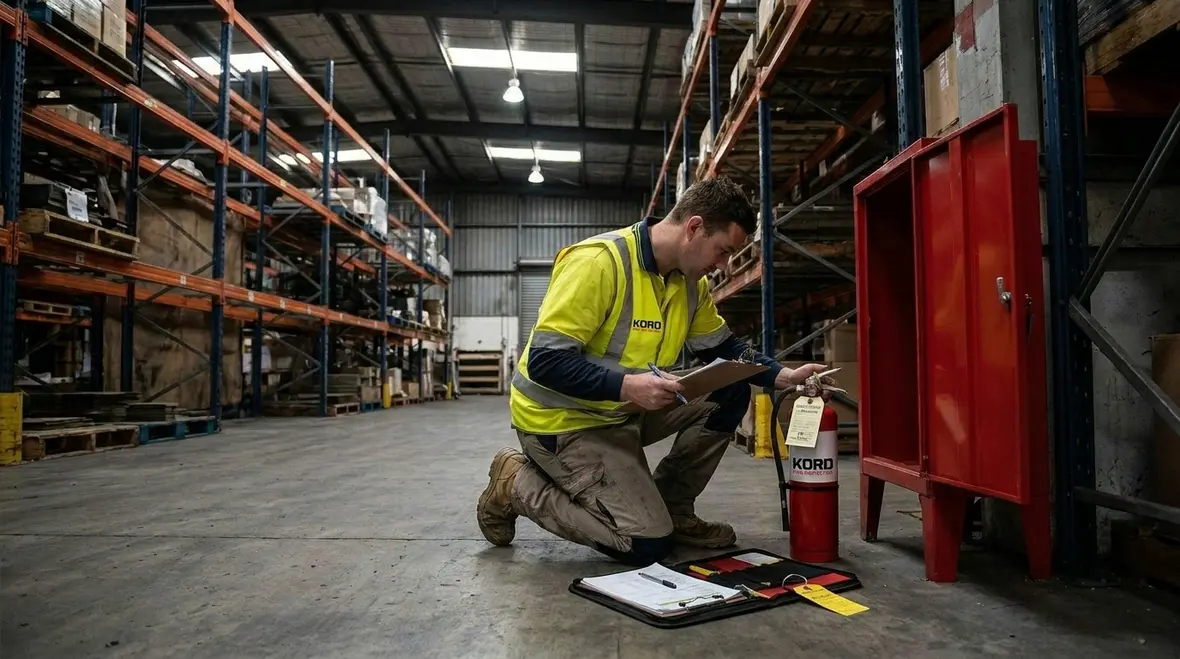
Fire extinguisher tagging is a controlled method of marking each unit with an inspection history that matches the actual maintenance work. Instead of relying on memory, teams use a visible tag that signals the extinguisher has been checked, and that the next service date is tracked. This reduces the “it was fine last time” problem, which, sadly, is how many workplace incidents start.
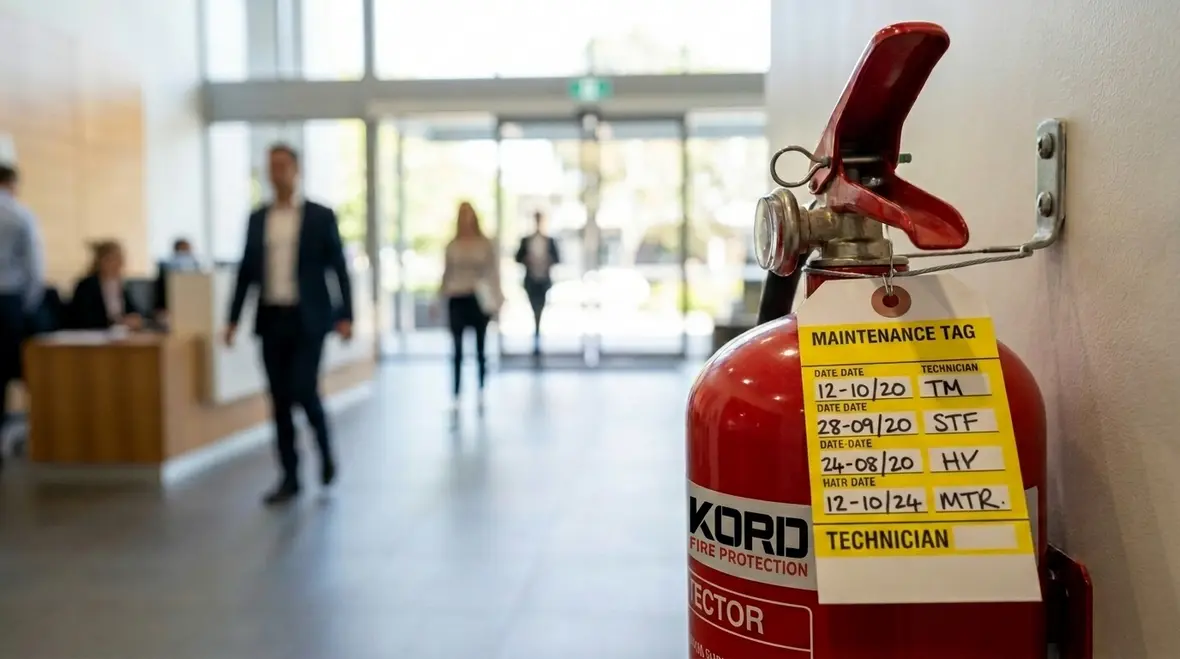
Typically, the tag includes key details such as the inspection date, service interval, location identifier, and technician sign off. Therefore, when auditors walk in, the business can show a consistent maintenance trail. Next, staff can quickly identify units due for attention, rather than guessing based on age or appearance.
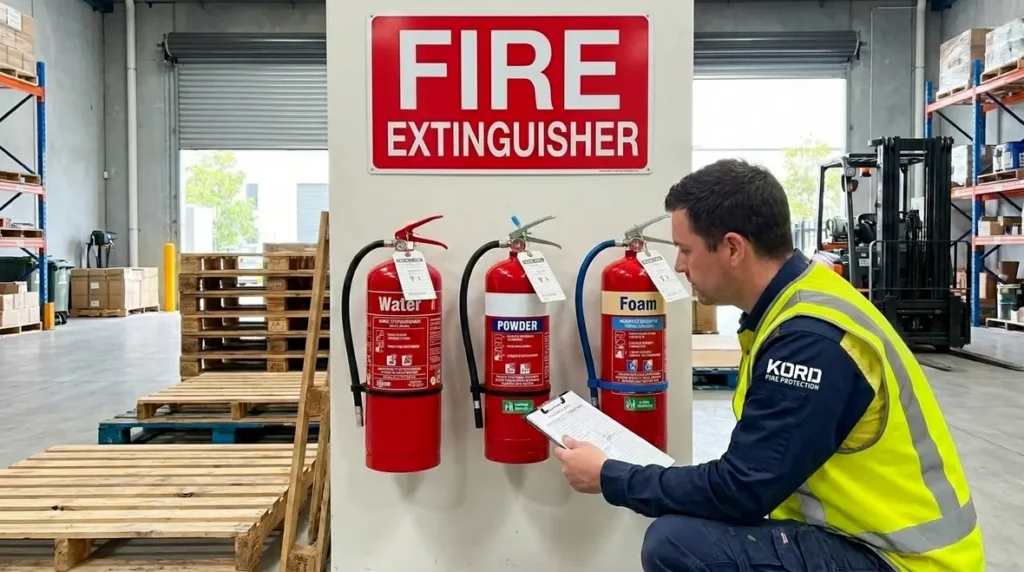
Tagging also supports change management. When a facility upgrades tenancy, expands warehouse zones, or rearranges production areas, records help ensure extinguishers are not left behind in the “somebody else’s job” zone. In addition, a good system helps track which extinguisher type sits where, supporting response planning and evacuation training.
Why visible tags matter during inspections
A visible tag gives safety managers, wardens, supervisors, and contractors a common reference point. It keeps the conversation practical. Instead of hunting through folders first, they can start at the wall, verify the tag, confirm the unit ID, and then match that to the maintenance register. That rhythm saves time and reduces the very human tendency to assume someone else has already checked it.
It also helps when staff turnover is high. Retail teams change, warehouse crews rotate, and office tenants come and go. The tag stays put and keeps telling the same story. When the story is current and correct, people trust the equipment more. When it looks old, faded, or inconsistent, confidence drops fast, and that is not ideal in the middle of an emergency.
How certification fits with tagging and compliance
Certification is where the process becomes official. Tagging shows inspection results on the extinguisher itself, while certification confirms the work meets required standards and is documented in a way the business can present when needed.
Certification usually involves qualified service steps such as inspection, pressure checks where relevant, condition assessment, and verification that the extinguisher is suitable for its intended hazard. Depending on the unit type and local requirements, service may include parts replacement, discharge tests, or internal checks. Then, the completed work is recorded so the business has proof for audits, insurance reviews, and internal safety governance.
Meanwhile, facilities often confuse “tagged” with “certified.” However, tagging alone is not enough if the extinguisher has not been serviced to the required level. When certification is done properly, it reduces that gap and gives decision makers confidence.
The difference between a label and real proof
This is the point where some sites accidentally drift into wishful thinking. A fresh tag looks reassuring, but reassurance is not the same as evidence. Real proof comes from the service work behind it, the traceable record attached to it, and the ability to show exactly what was checked, when it was checked, and who completed the work. That is what turns a nice looking wall unit into a defensible compliance asset.
What should be included in a proper maintenance record
A strong fire safety record keeps the whole story, not just the date. Therefore, effective documentation includes at least these elements for each unit:
List of record items
- Asset details such as extinguisher make, model, rating, and unique ID
- Location data including site area, floor level, and inspection route reference
- Inspection and service history with dates and type of work completed
- Technician information and sign off that links to licensed service capability
- Next service due date so the business can plan rather than scramble
- Any faults or actions taken such as tamper seal issues or part replacements
Next, facilities benefit from consistent labeling and photo records where practical. This reduces disputes during handovers between contractors. Also, it makes it easier for safety staff to verify compliance without chasing paperwork.
For commercial and retail sites, the record must stay readable under real conditions. In other words, it should support quick checking during busy shifts, not just satisfy a once-a-year admin task. Industrial sites add extra complexity because equipment locations change, hazards evolve, and access rules can be strict. That is exactly where disciplined documentation pays off.
A practical record system also helps during contractor changes, building upgrades, and insurance reviews. If a site moves from one provider to another, good documentation means the new team can pick up the thread instead of rebuilding the whole story from scraps. That lowers disruption and stops preventable gaps from appearing at exactly the wrong time.

Common tagging and certification mistakes to avoid
Even well-meaning teams make errors. Then the business ends up with risk, delays, and extra cost. The goal is to avoid the “good news, bad timing” cycle.
Typical mistakes include
- Using outdated tags that do not match the current service history
- Tagging without completing required service steps and hoping no one notices
- Missing units during audits because the extinguisher register is not updated during relocations
- Inconsistent extinguisher placement records so staff can not find the right unit quickly
- Weak document control where records exist, but they are hard to retrieve
Furthermore, some teams treat tagging like a one-time job. However, hazards change. A retail store that expands stock or adds new display types changes the risk profile. A warehouse that adds a new loading bay changes access routes and coverage needs. As a result, tagging and certification must remain active management tasks, not a box checked once and forgotten.
And yes, this is where pop culture meets reality. The extinguisher is not the “set and forget” character from those long running shows. It needs ongoing care. The audience is just usually regulators, insurers, and safety teams with clipboards instead of cameras.
How small admin gaps become big headaches
Most compliance trouble does not start with dramatic failure. It starts with a small mismatch, a missed update, a relocated unit, or a service date that quietly slips past. Then an audit, incident review, or insurance query shines a bright light on that tiny gap and suddenly everyone is scrambling. Good tagging and certification stop those headaches before they get a chance to become expensive stories people tell in meeting rooms for months.

Why kord fire protection can be a vital partner
When businesses need fire extinguisher tagging and certification that holds up in audits and real emergencies, partner capability matters. kord fire protection supports industrial, retail, and commercial facilities across Australia by delivering a structured approach that keeps records accurate and service schedules dependable.
First, a partner should make tagging consistent across multiple sites. That means clear identification, controlled documentation, and a process that does not break when a facility grows or changes. Next, kord fire protection helps teams reduce compliance confusion by aligning on what each extinguisher needs and when it needs it.
Then, the work becomes easier for safety managers and facility operators. Instead of chasing technicians, chasing paperwork, or reconciling mismatched records, the business gets a maintained system it can trust. As a result, training becomes more effective because staff know the units are verified and ready.
Also, kord fire protection can support facilities that deal with operational pressure. Industrial sites often run continuous hours, and retail teams can not afford long downtimes. Therefore, a professional service partner focuses on scheduling, access planning, and clear communication, so fire safety does not turn into a surprise disruption.
In short, kord fire protection can act as a long term safety partner, helping keep compliance steady while the business stays productive. Because nobody wants the “we’ll deal with it later” strategy. That approach ages poorly, like a joke told at the wrong office party.
FAQ for featured snippets
Next steps for safer sites and clearer compliance
Fire extinguisher tagging and certification keep workplaces ready, records clean, and decisions confident. If a facility wants a dependable system across multiple areas and sites, the smart move is to work with a partner who treats documentation like an essential safety tool. kord fire protection can help organisations build a practical tagging and certification routine that stands up to audits and supports staff during real emergencies. Reach out today to align your service schedule and records.