Fire Suppression System Cost in Australia 2026 Guide
Quick Answer: In Australia, installing a fire suppression system typically costs from a few thousand to well beyond $50,000, depending on the hazard level, pipework, coverage area, and pump or cylinder design. For many sites, budgeting also depends on commissioning, compliance, and downtime planning.
The commercial kitchen suppression price often becomes the first figure people ask about, and it makes sense. In one minute, a grease fire can turn into a full-blown drama, and nobody wants the “season finale” to happen on their watch. In this 2026 guide, our company, Kord Fire Protection, walks third-party decision makers through the real cost drivers for installing fire suppression systems across industrial, retail, and commercial facilities throughout Australia. From pipe runs and water supply upgrades to commissioning and ongoing service, the numbers can look messy at first. Yet with the right plan, the project stays controlled, compliant, and far less chaotic than a pop quiz at closing time.
If you are comparing options early, it also helps to understand how broader fire suppression systems are scoped across different sites, because the same pricing logic rarely applies evenly from one building to the next.
Key cost drivers behind fire suppression installation in Australia
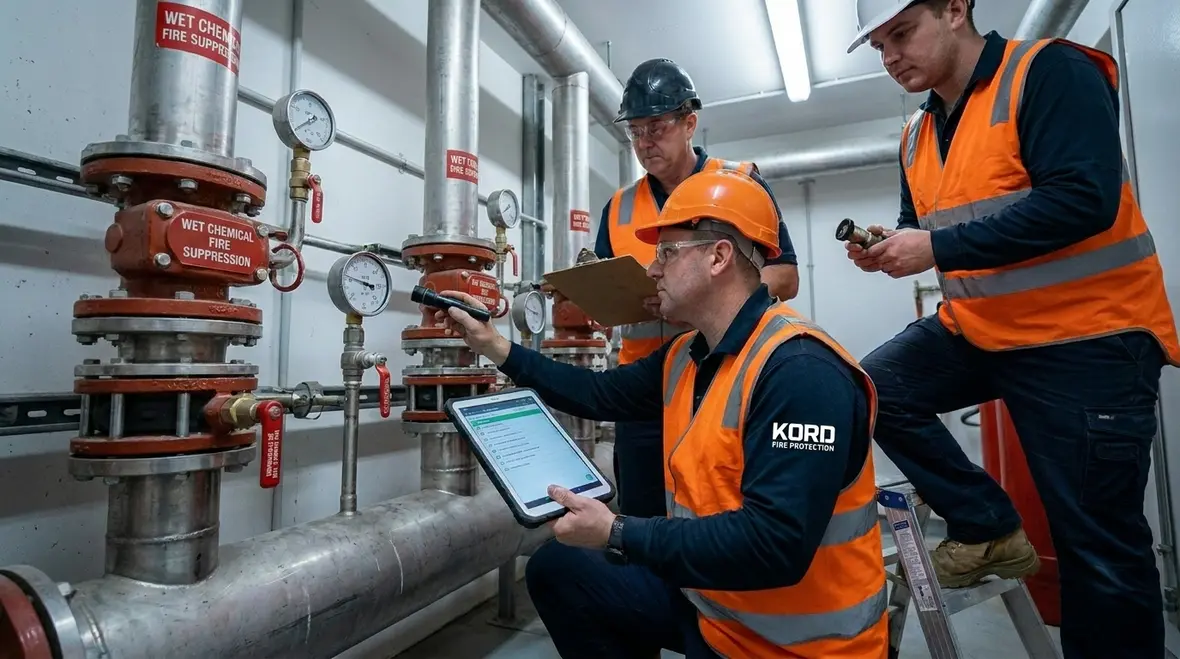
When teams estimate pricing, they often focus on the hardware and forget the rest of the job, which is where costs usually hide. First, the system type matters. Water mist, foam, clean agent, wet chemical, and gas systems vary in both components and design effort. Then the hazard classification takes over. Facilities with higher fuel loads, heat release risk, or process hazards need more coverage, faster detection, or stronger discharge rates.
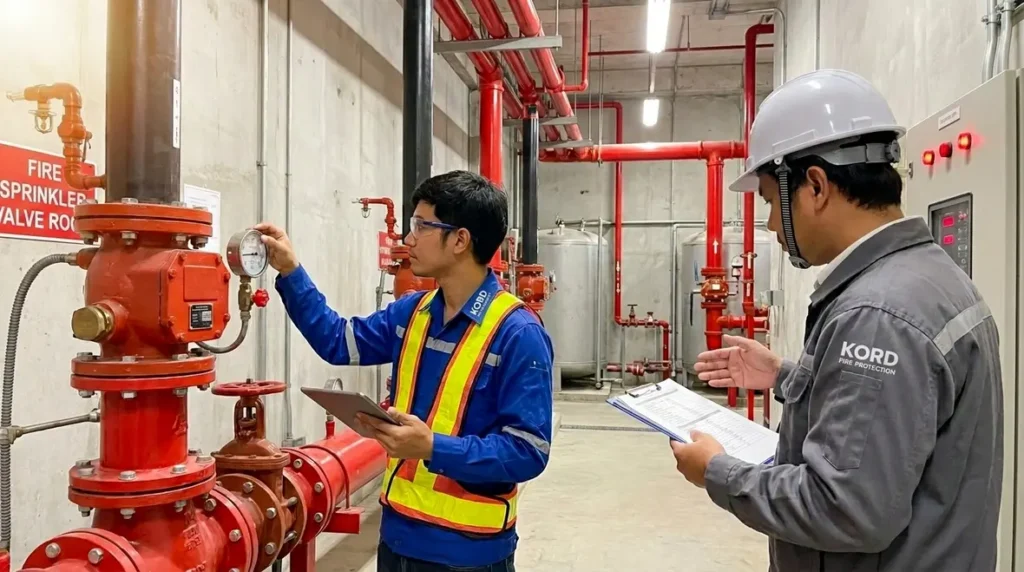
After that, site conditions steer the budget. Pipe routes through ceilings and plant rooms can require shutdowns, structural penetrations, and extra supports. If the water supply cannot deliver required pressure and flow, upgrades become unavoidable. Finally, compliance work adds time, and time is money, even if your calendar tries to pretend otherwise.
Why early scope review matters
In practice, Kord Fire Protection helps clients map these drivers early so the estimate matches the site, not a generic brochure fantasy. That includes checking access paths, service interfaces, protected equipment, and the ugly little extras that always try to sneak into the budget when nobody is looking. A proper scope review also helps facility managers defend the cost internally, because it ties each line item back to an actual site condition instead of vague assumptions.
Pricing ranges for different system types and facility sizes
Across Australia, pricing can swing widely because installations do not scale like flat-screen TVs. A small retail tenancy with a compact kitchen hood system behaves differently to a large commercial kitchen corridor, a warehouse with pallet storage, or an industrial plant with process-specific hazards.
Here are common patterns clients tend to see:
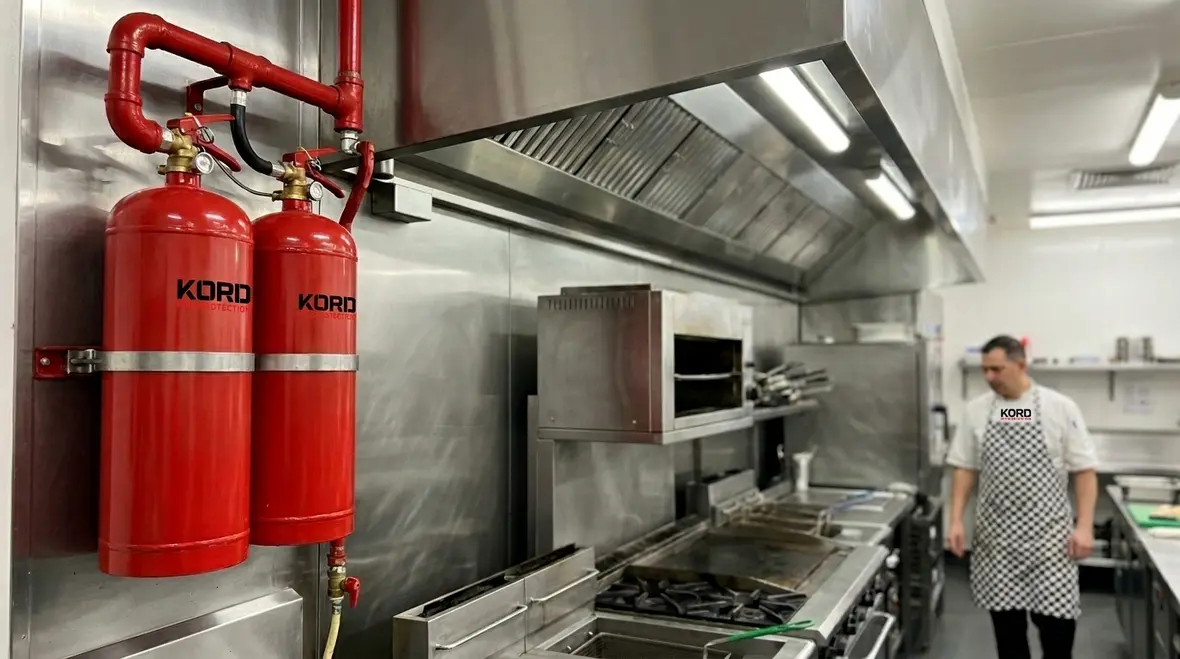
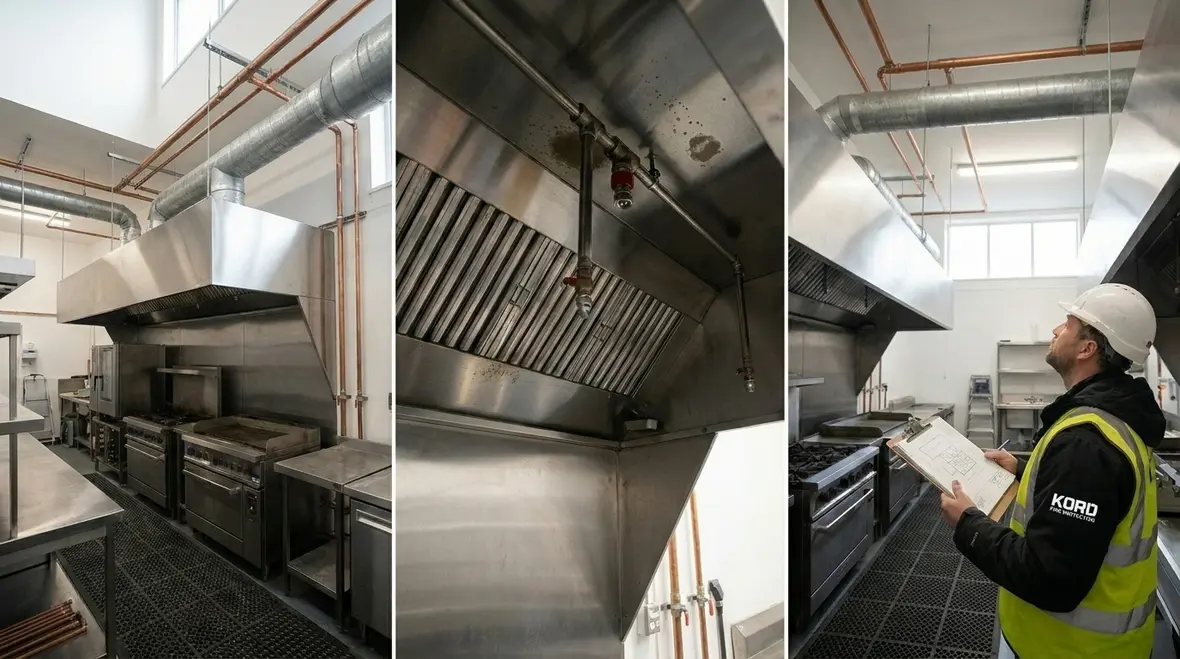
- Wet chemical systems: often tied to cooking appliances, can include extensive hood and duct protection, and typically require a tailored design based on cooking line layouts.
- Water mist and sprinkler-based solutions: depend on area coverage, isolation points, and whether pumps or tanks are required.
- Foam systems: more common where flammable liquids are present, which can drive higher material and discharge needs.
- Gas or clean agent systems: used in specific enclosures and usually demand careful hazard calculations and cylinder room planning.
Why two similar kitchens can price differently
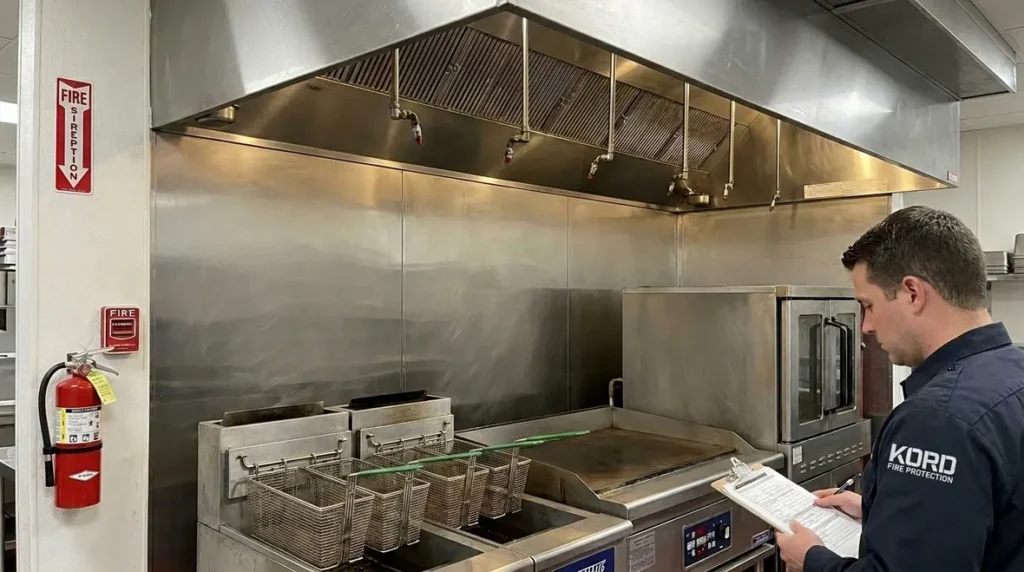
For many commercial sites, the commercial kitchen suppression price becomes a benchmark. Yet the final figure still depends on pipework length, number of protected appliances, detection integration, and the required discharge strategy. In other words, two kitchens can share the same floor size and still land in different cost brackets.
To keep projects predictable, Kord Fire Protection prepares scope clarifications before pricing locks in, so stakeholders avoid late surprises like unexpected penetrations, cable adjustments, or water supply constraints. This is usually the point where a sensible quote separates itself from an optimistic one. One includes the awkward realities. The other introduces them later with a straight face.
What affects labour costs and project timelines in 2026
Labour cost changes with how complex the install feels on the ground, not how nice the drawings look. First, labour rises when the site layout forces extra coordination with electricians, mechanical trades, and building services. Second, overtime may be needed when clients refuse full shutdowns during business hours. Then there is commissioning and testing. A system does not become “real” until it passes functional tests, alarms integration, and discharge verification.
Additionally, project timelines can move due to procurement lead times. Engineered components, control panels, valves, and detection devices often require planning. If a supplier pushes delivery, installation sequencing changes, and the budget starts to feel like a weather forecast. Uncertain, but still somehow expensive.
The hidden hours buyers forget to allow for
Third, compliance documentation takes time. In many cases, stakeholders need as-built drawings, test records, and ongoing service schedules. This is where Kord Fire Protection earns its keep. Our team supports the job end-to-end, from design coordination through to commissioning, so facilities teams can move forward without living in email limbo. It also means fewer delays at handover, when everyone suddenly remembers they need evidence, sign-off, and a functioning system all at once.
Compliance, certification, and ongoing service costs that many miss
Installing a fire suppression system is not the finish line; it is the starting gun. Authorities and insurers typically expect proper design documentation, testing evidence, and continued maintenance. Without the right maintenance plan, systems can fail inspection cycles or fall below performance expectations.
Maintenance cost depends on the system type and site usage. Wet chemical systems may require servicing cycles for tanks, nozzles, valves, and monitoring components. Water-based systems require checks for corrosion control, valve supervisory status, and flow testing where required. Environments with dust, grease, chemical vapours, or corrosive atmospheres increase the effort.
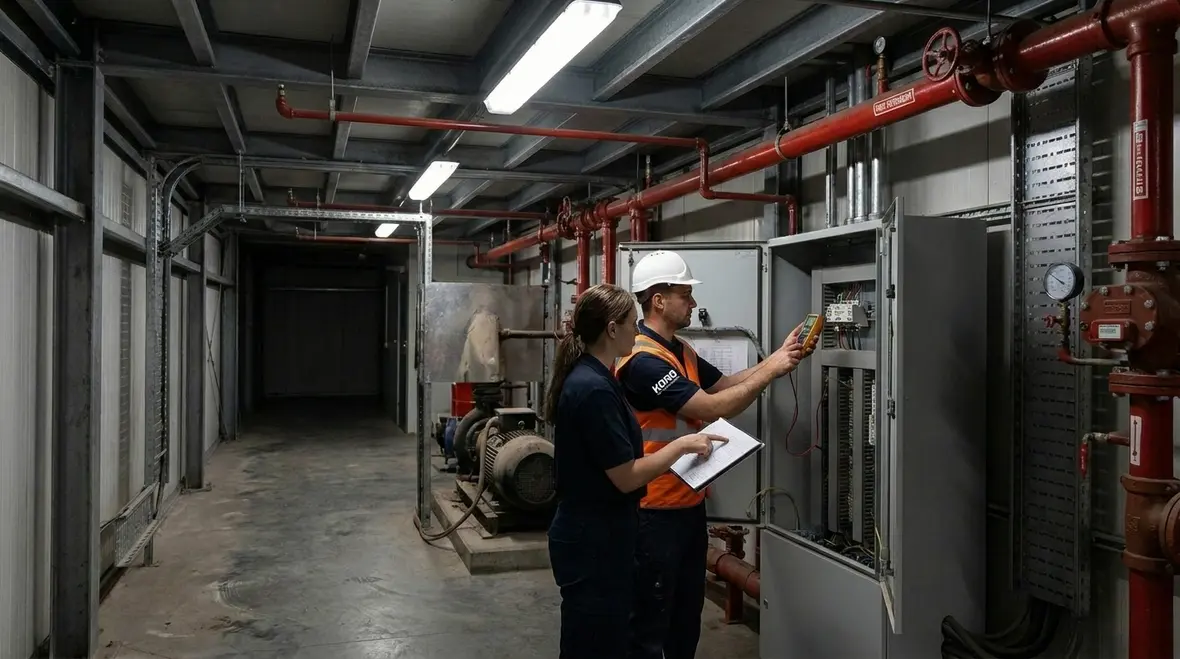
Also, many facilities overlook integration work. A suppression system often ties into fire detection, alarms, and emergency procedures. If control panels or wiring pathways need upgrades, the compliance package expands. That does not mean the project has gone wrong. It usually means the project has finally stopped pretending it was going to be simple.
Why service planning belongs in the first budget
Kord Fire Protection helps clients budget for both installation and the realistic service rhythm after handover, so the system stays reliable long after the installers have packed up. For buyers, this matters because a cheap install that ignores future testing and upkeep can become more expensive over time than a properly scoped system from the start.
How Kord Fire Protection reduces risk during the build and handover
Decision makers do not just want a system. They want certainty. Kord Fire Protection acts as a vital partner for industrial, retail, commercial, and facilities across multiple facets across Australia. Instead of handing over a “good luck” folder, we coordinate the practical details that stop projects from stalling.
For example, we help clients:
- Confirm the hazard basis and design assumptions early, so drawings match the plant and the cooking lines
- Plan pipe routing and shutdown windows before trades mobilise
- Align detection and alarm integration so commissioning does not become a last-day firefight
- Prepare documentation for handover, including testing evidence and service scheduling
Certainty is often the most valuable part of the quote
And yes, we recognise the irony. People budget for fire safety yet often treat the planning stage like it is optional. That approach usually costs more later. With Kord Fire Protection involved from the start, the job runs smoother, and stakeholders spend less time chasing answers like they are trying to find the last packet of biscuits in a cupboard.

Budgeting checklist for buyers planning suppression installation
Before a tender or purchase decision, a clear checklist avoids scope creep. This is where cost control gets real. A good plan forces the project team to confirm what the system will protect, where it will run, and how it will integrate.
- Define hazard types and coverage boundaries, including high-risk zones and process areas
- Assess water supply capacity, including pressure, flow, and isolation requirements
- Confirm installation access, ceiling heights, and structural penetration needs
- Plan for downtime, including after-hours installation if required
- Set expectations for integration with alarms, evacuation signals, and control systems
- Schedule commissioning, testing, and documentation delivery times
- Budget for ongoing servicing and compliance checks after handover
When these items stay visible early, the final cost becomes easier to defend internally. Furthermore, stakeholders can compare offers fairly across suppliers and avoid “surprise line items” that show up like a pop quiz you did not study for. Buyers who do this well usually make faster decisions too, because the scope is already organised before the quote lands on the table.
FAQ
Conclusion and call to action
Fire suppression costs in Australia do not come from a single price tag. They come from site realities: hazard design, pipework complexity, water supply capacity, commissioning, and ongoing service expectations. If a facility wants a clear scope, dependable documentation, and a calmer handover, Kord Fire Protection can help from planning through compliance. Book a consult for an obligation-free discussion about system type, installation constraints, and budgeting for 2026. Because nobody wants a safety system that only works on paper.