Suppression System Compliance Check Upgrade or Replace
Quick Answer
Fire suppression systems should be upgraded or replaced when they fail key maintenance checks, show aging components, cannot meet current code, or no longer protect the risk they were designed for. A suppression system compliance check helps teams spot issues early. Kord Fire Protection can guide the next steps, from testing to upgrade planning.
In fast moving industrial, retail, and commercial environments across Australia, fire protection cannot rely on hope. It should rely on evidence. That is why a suppression system compliance check matters so much. It helps facilities confirm that alarms, detection, suppression agents, and control logic still match the installed design and current standards. And just like a smoke detector that “probably works,” an out of date system can become a pricey gamble when the stakes get serious.
When teams start reviewing system condition, they are often already thinking about broader fire risk, maintenance records, and whether protection still lines up with how the building actually operates. That is also why facilities that are reassessing suppression performance often end up reviewing their wider fire suppression systems strategy early in the process. It is a practical way to connect today’s inspection results with tomorrow’s upgrade decisions.
What triggers a suppression system replacement decision
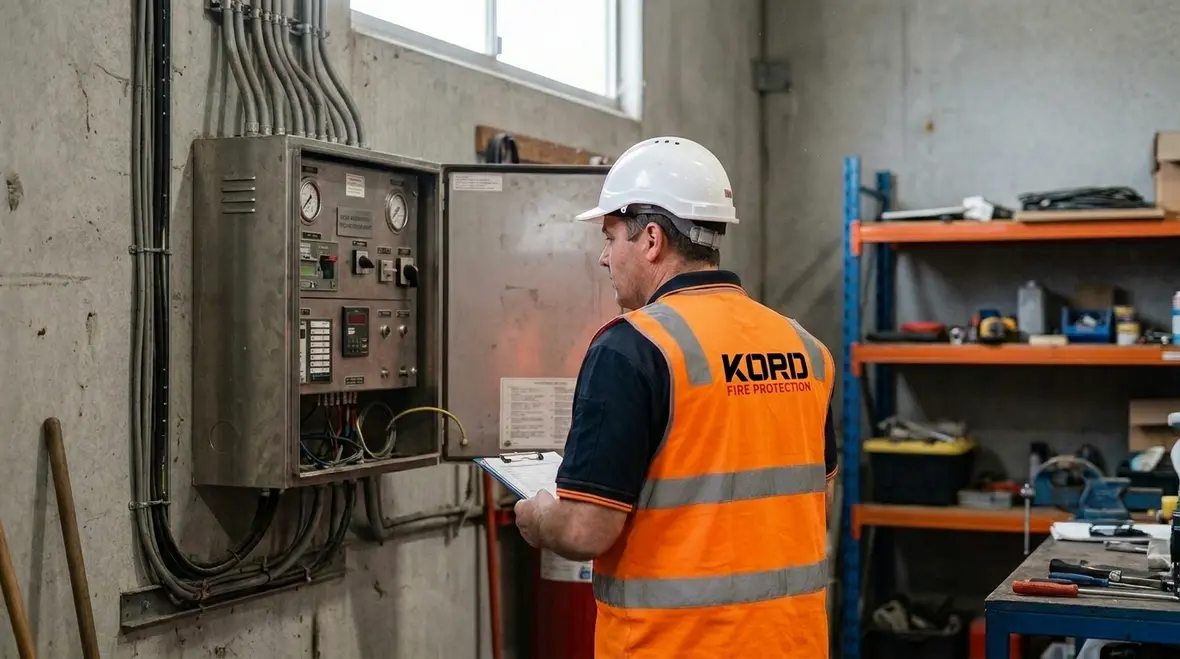
Most upgrades do not start with an alarm event. Instead, they start with patterns. First, teams notice repeated test failures or inconsistent operation. Then, they see mounting service delays because parts are scarce. Finally, they realize the system no longer fits the building changes, such as added mezzanines, new rack layouts, or altered process lines. At that point, a simple patch can turn into a “band aid on a forklift” situation.
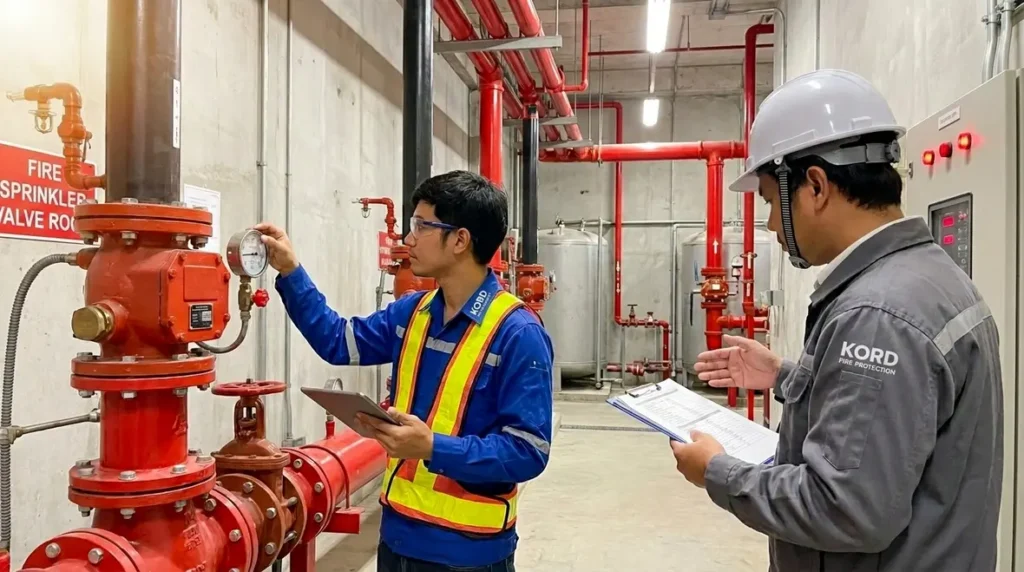
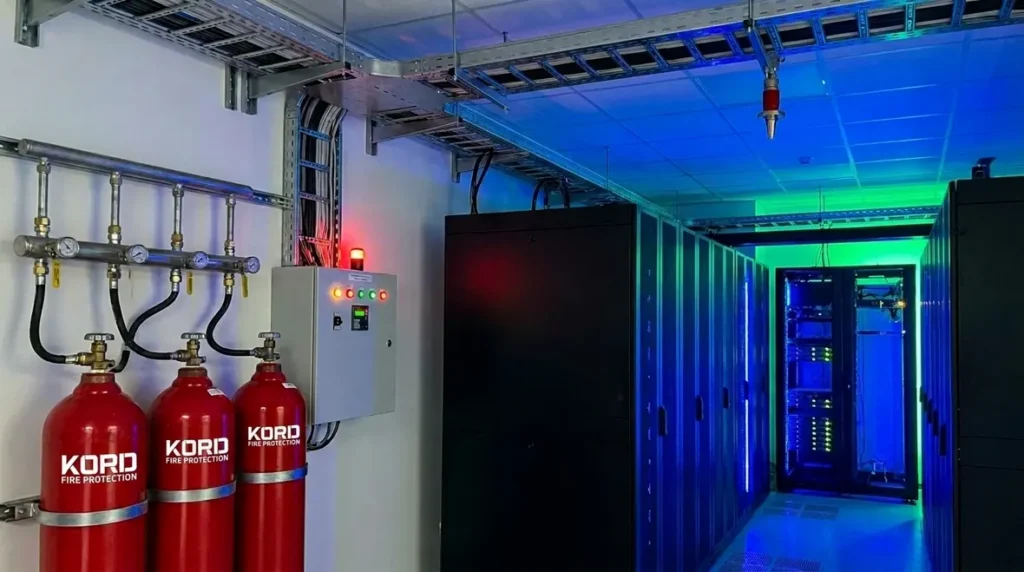
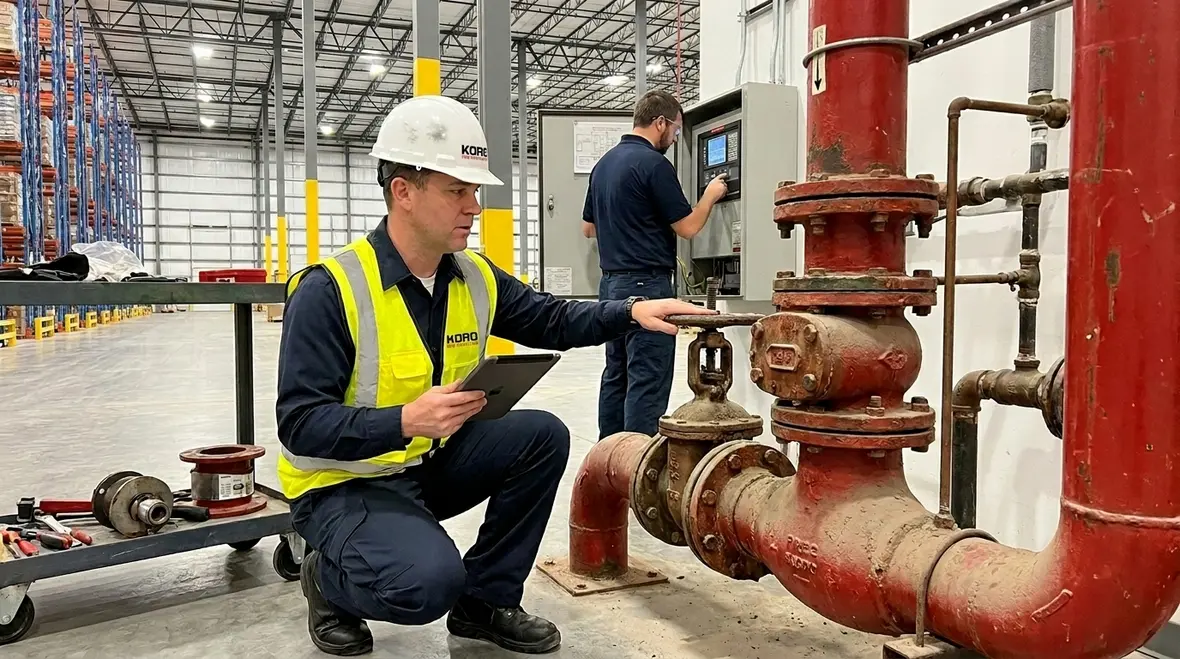
Kord Fire Protection supports organisations by reviewing system documentation, inspecting components, and running a suppression system compliance check to confirm whether the protection still performs as intended. This helps avoid the common trap of spending money on repairs while the real gap stays unsolved.
Why recurring faults matter more than one bad report
One failed test can sometimes point to an isolated issue. A trend of failed tests is different. When the same valve sticks twice, the same control panel trouble returns after clearing, or the same pressure problem keeps showing up at service intervals, the system is telling you something. Facilities should listen before a minor reliability issue becomes a major operational one.

Warning signs inside the system’s operation
When a system starts misbehaving, it often signals deeper issues. They can be subtle at first, and then they become obvious after a few maintenance cycles.
Key operational warning signs include
- Frequent pressure or flow issues in pipes, tanks, or valves that prevent the system from reaching target performance
- Control panel faults or trouble events that appear during routine tests and do not clear cleanly
- Uneven agent distribution where outlets show blockage, corrosion, or misalignment
- Delays in detection to discharge caused by degraded detectors, wiring problems, or outdated solenoid timing
- Inconsistent inspections where technicians find “acceptable” results one month and “out of spec” results the next
Additionally, the system may still “work” in limited scenarios, but it might not meet the required discharge duration, coverage, or response sequence for the hazard. So, the facility should not treat test reports like a horoscope. If the numbers do not match, the system needs action.
Signs of aging components that quietly reduce protection
Even well maintained suppression systems degrade over time. Components suffer from heat cycling, vibration, moisture, chemical exposure, and mechanical stress. Therefore, upgrades often become necessary when inspection findings show deterioration that cannot be corrected with simple servicing.
Common aging related signs
- Corrosion in pipework, sprinkler fittings, nozzles, cylinders, and hangers
- Leaking seals or gaskets around valves, fittings, and detection interfaces
- Worn actuation parts such as solenoids, release mechanisms, or pilot lines
- Out of date control hardware where replacement boards are no longer available
- Agent containment wear where tanks, cylinders, or storage components show reduced integrity
At the same time, some older installations were designed with practices that are no longer considered best practice. In those cases, the suppression system compliance check becomes more than a formality. It turns into a roadmap that shows where the system still meets requirements and where it falls behind.
Obsolescence is a risk even when the system still turns on
This is where many facilities get caught. A panel may energise. A detector may still respond. A cylinder may still be physically present. Yet if supported parts are gone, technical knowledge is harder to source, or the original configuration no longer matches site conditions, the system can drift into a dangerous middle ground. It exists, but confidence in it does not.
How building changes and new hazards force upgrades
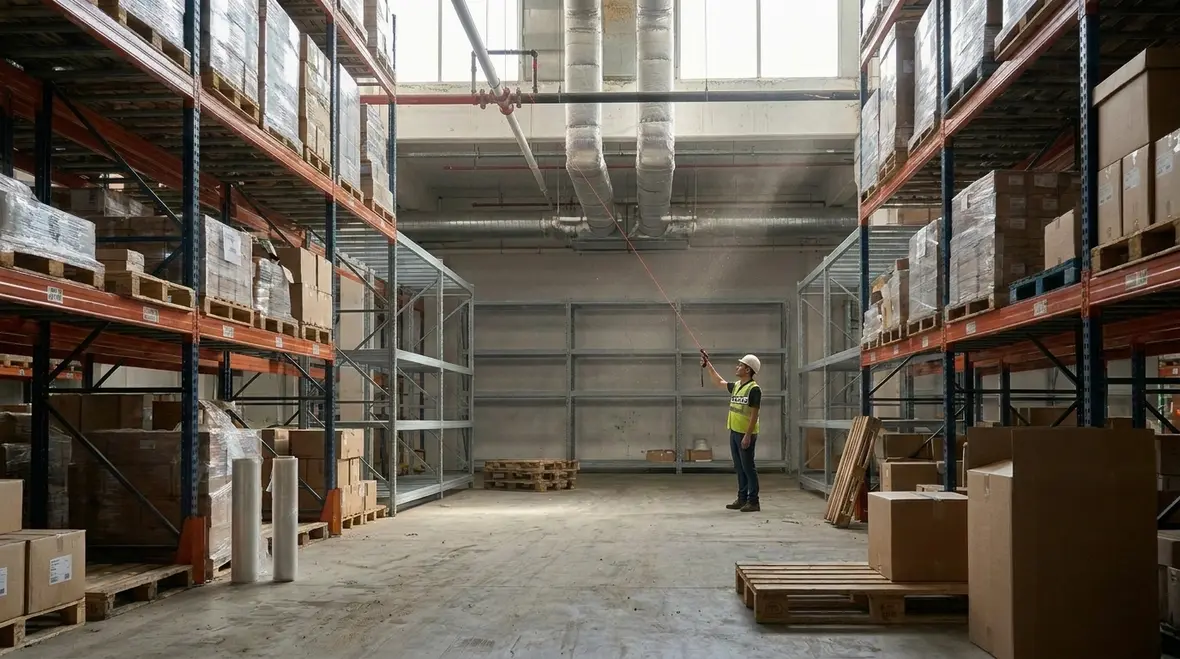
A suppression system does not stay frozen while a facility evolves. When the building footprint, process, or storage changes, the suppression design can become mismatched to the new risk. As a result, a system may protect a “past version” of the site rather than the current one.
Examples that usually drive upgrades include:
- Warehouse reconfiguration with higher rack heights, denser storage, or changed aisles
- New manufacturing lines that introduce different fire load patterns or ignition sources
- Tenant fitouts in retail or commercial spaces that change ceiling height, partitions, or concealment
- Increased combustible materials such as packaging, plastics, solvents, or palletised stock
- HVAC changes that affect airflow and smoke movement, which can influence detection and activation
To be clear, technicians should not “guess” coverage. They should validate layout, density assumptions, and protected zones. Then, they should update the system design and documentation so it aligns with the real hazard profile. Kord Fire Protection helps teams connect those dots with practical engineering minded recommendations, not just paperwork.
Compliance signals that should not be ignored
Even when the system looks intact, compliance issues can signal risk. That is why organisations across Australia often rely on periodic testing and the suppression system compliance check to identify gaps before they become costly emergencies.
Compliance related signals often include
- Records that do not match installed reality, such as missing drawings, outdated modifications, or incomplete inspection logs
- Test results that show drift in operating times, pressure thresholds, or flow rates across cycles
- Coverage disagreements between design intent and current ceiling voids, obstructions, or partitions
- Agent limitations where storage capacity or discharge calculations no longer suit the site
- Control system limitations that prevent correct monitoring, fault reporting, or integration with alarm systems
When these issues appear, facilities usually face a choice: keep repairing older parts, or modernise the system for reliable performance. And while the first option may feel cheaper today, it can resemble trying to fix a flat tyre with vibes. The second option often produces steadier protection and clearer compliance outcomes.
Choosing an upgrade plan that reduces downtime
Upgrades can seem disruptive, especially for industrial and retail operations where schedules cannot pause. However, a well structured plan can protect people, operations, and timelines.
Kord Fire Protection typically supports clients by:
- Mapping critical zones and defining where temporary safeguards are required
- Sequencing works to keep essential areas online while crews install and test
- Updating documentation so the facility holds a consistent compliance trail
- Testing and commissioning in steps, then verifying performance against design intent
In many cases, the best approach involves targeted upgrades that improve reliability without overhauling everything at once. Yet, if the system’s components, agent storage, or control logic are too far behind, full replacement can deliver the lowest long term risk. The key is making that call with data, not with “we will see” energy.
Dual view: upgrade vs replacement signals
| Upgrade often fits when | Replacement often fits when |
| Parts are available and the system concept still matches the hazard | Key components are obsolete, degraded beyond practical repair, or coverage is fundamentally wrong |
| Testing results are close to required performance and issues are limited to specific zones | Repeated tests show persistent drift and the system cannot reliably meet targets |
| Building changes can be handled with added coverage or updated layouts | Agent storage, discharge calculations, or control sequences are no longer aligned with the risk |
FAQ about fire suppression system upgrades and compliance
Conclusion: take action before the next test cycle
When warning signs show up, facilities should act quickly. Upgrading or replacing a fire suppression system can protect staff, assets, and continuity of trade. Kord Fire Protection helps organisations across Australia use a suppression system compliance check to identify gaps, plan next steps, and execute upgrades with confidence. Reach out today to review the current system, discuss your risks, and map a practical path forward that keeps operations steady.