Fire Suppression Servicing Schedule How Often to Service
Quick Answer: Fire suppression systems should be serviced on a regular cycle based on the system type, code requirements, and the site risk. Many facilities follow a 6-month to annual baseline, then adjust for hazards and use. Kord Fire Protection helps businesses stay compliant and protected without guessing.
When people ask how often fire suppression systems should be serviced, they usually hope there is a single universal answer. There isn’t. However, there is a dependable rhythm that many compliant sites follow. A typical approach is to begin with a planned fire suppression servicing schedule that includes every six months checks for key components and annual service for deeper inspection and testing. From there, the schedule tightens or relaxes based on occupancy, risk, and system type. And yes, the system does not care if it feels “fine” today. Fire protection systems care about facts, not feelings.
For facilities reviewing broader protection needs, it also helps to understand how fire suppression systems fit into the overall safety strategy before locking in service intervals.
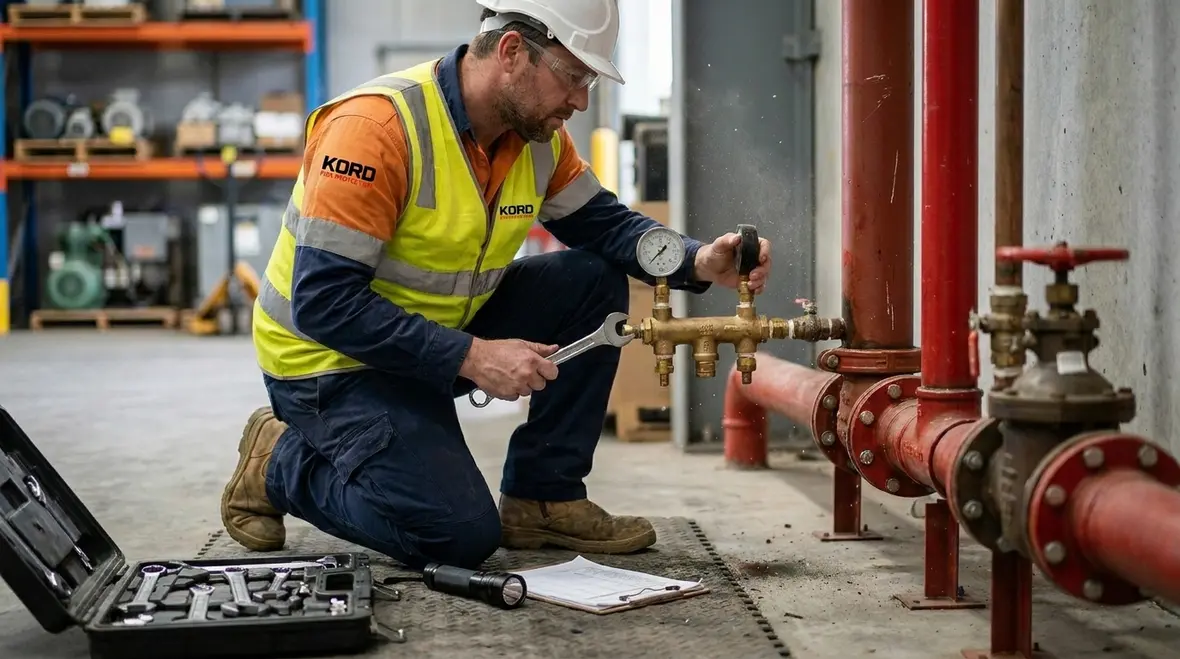
How the system type changes servicing frequency
In Australia, industrial, retail, and commercial facilities often rely on different suppression methods, and each one behaves differently. Therefore, technicians do not use one generic checklist for every site. Instead, they align the service cadence with the manufacturer’s instructions, relevant standards, and local risk profile.
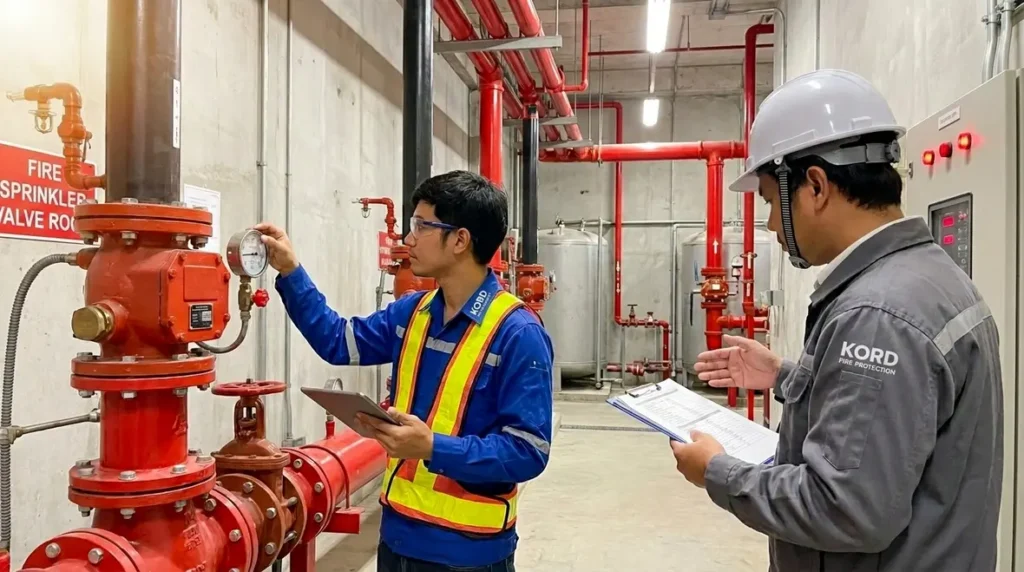
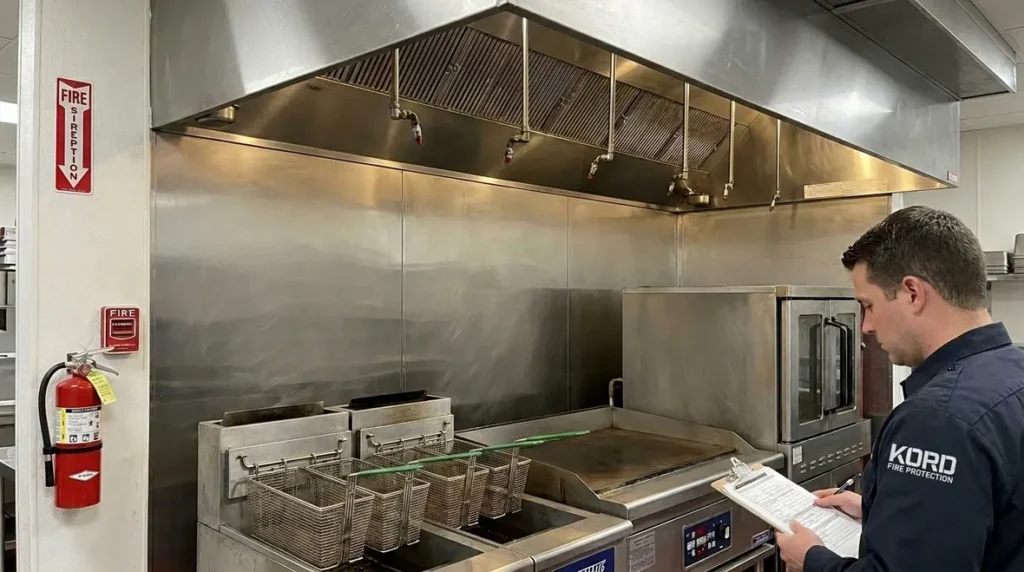
For example, a water based system that protects sprinklers will require attention to water supply health, valve condition, and inspection records. Meanwhile, clean agent or gas systems need a strong focus on cylinder integrity, actuator timing, pressure readings, and cleanliness around discharge paths. Then there are wet chemical systems used for cooking environments in retail and commercial kitchens, where residue build up can quietly undermine performance.
So, the right frequency is a blend of design and reality. In other words, the more challenging the environment, the more consistently the system needs service. That is why two businesses in the same suburb can have very different service calendars without either one doing it wrong.
Why no two suppression systems age the same way
A clean office storage area, a dusty manufacturing line, and a busy commercial kitchen are not remotely the same environment. Dust settles, grease builds, vibrations loosen hardware, and temperature swings can stress components over time. A system may look perfectly respectable from a distance while quietly collecting the sort of issues that become very rude during an emergency. That is exactly why a fixed calendar without context is only half a plan.
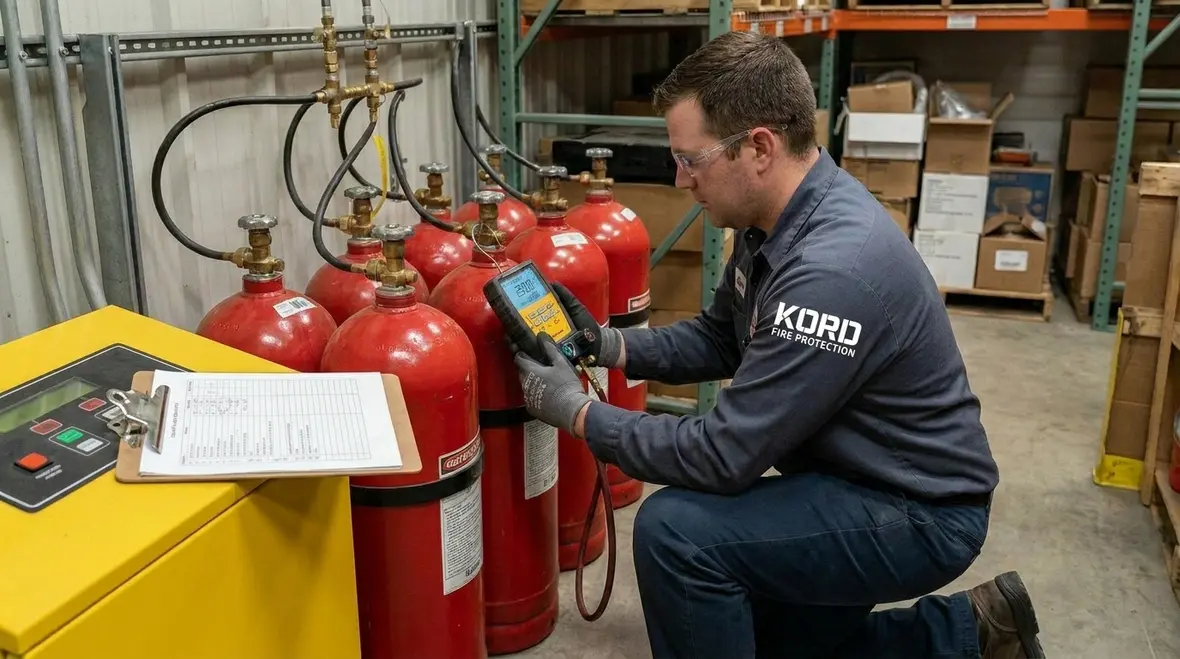
What a solid fire suppression servicing schedule includes
A good plan does not just “tick boxes.” It makes sure the system can actually do the job when it matters. In practice, a fire suppression servicing schedule usually covers three categories: inspections, functional checks, and compliance records. Over time, these activities reduce the odds of silent failures.
Common elements of scheduled service
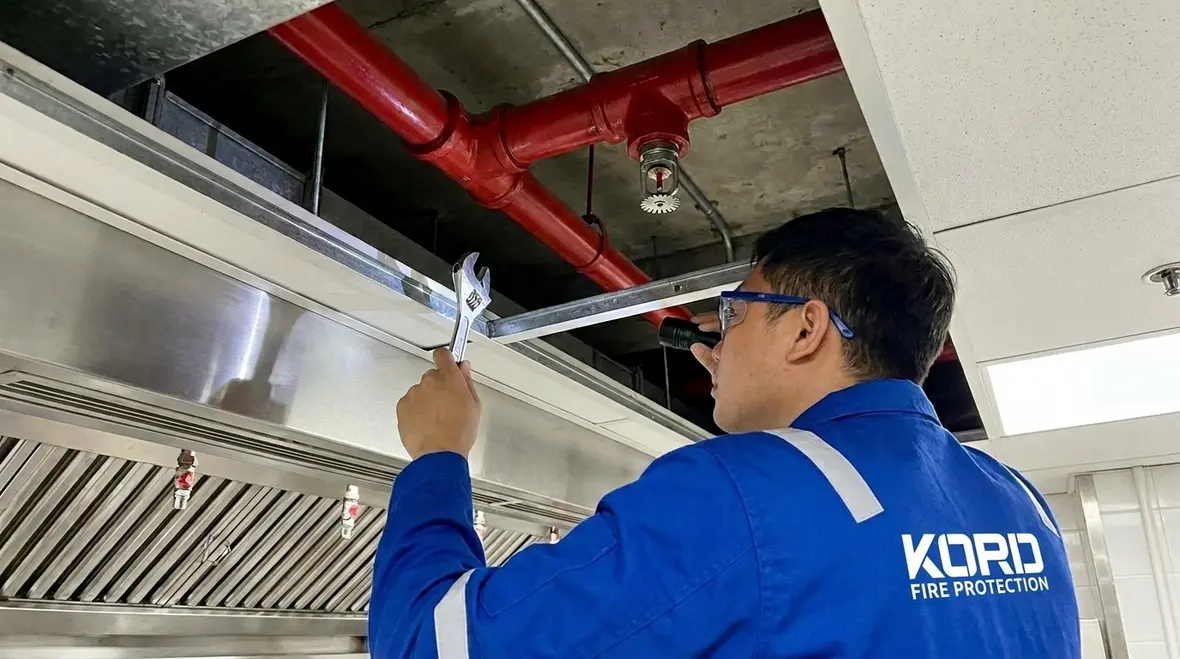
- Visual inspection of nozzles, pipework, discharge areas, and physical damage
- Valve and detection checks to confirm the system can start the sequence
- Pressure and supply verification for pumps, cylinders, and water flow readiness
- Testing and functional verification based on system design and code expectations
- Maintenance actions such as cleaning, replacing worn parts, and correcting faults
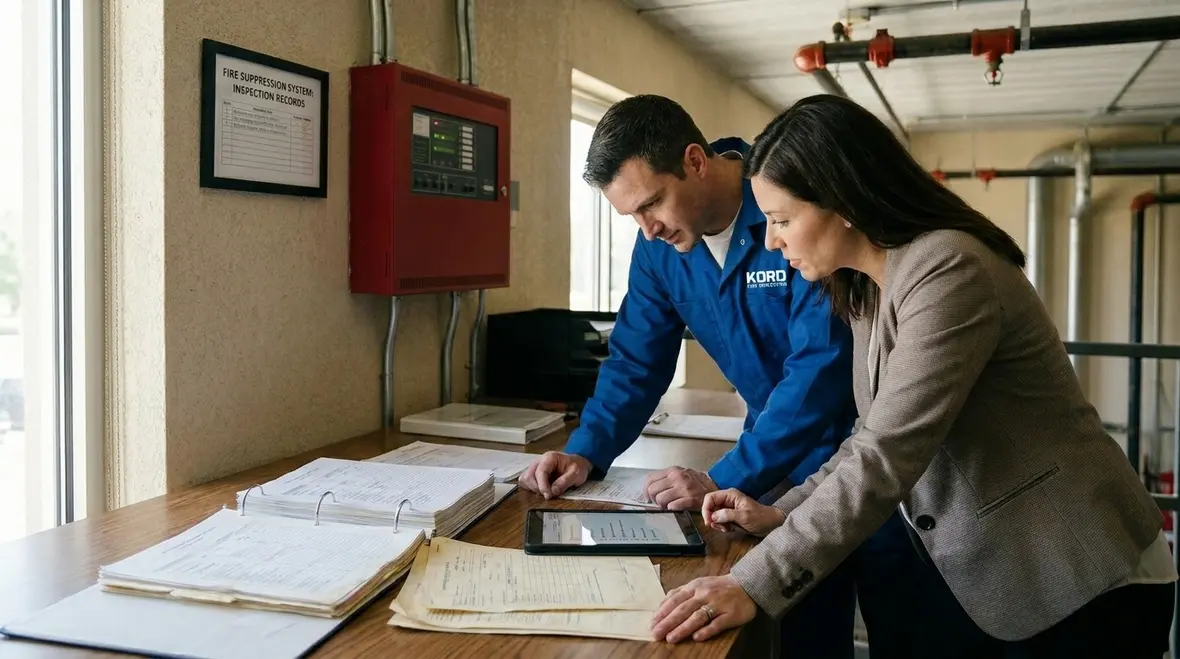
- Documentation so the facility can prove compliance during audits
Additionally, the best servicing plans factor in changes to the building. When a facility renovates, adds stock, or adjusts operations, the fire load often changes. Consequently, the original risk assumptions may no longer hold. At that point, service frequency alone is not enough. A technician should also review the layout, protection coverage, and detection strategy.
The difference between inspection and actual readiness
This is where businesses sometimes get lulled into a false sense of security. A checklist can be completed, a record can be filed, and everyone can feel wonderfully organised, yet the real question remains: will the system perform exactly as intended if a fire starts tomorrow? Servicing should answer that question with confidence, not with optimistic paperwork. The best schedules are built around readiness, not admin theatre.
How often should a business schedule maintenance
Many commercial sites aim for a baseline that is often aligned with a 6-month service cycle for certain inspections and a 12-month interval for more in depth work. Yet, this is only a starting point. A facility in a low risk warehouse does not need the same intensity as a high heat process area in an industrial site.
What changes the cadence is usually one or more of these factors:
- Occupancy type, such as retail fit outs, manufacturing areas, or storage
- Fire load and hazards, including flammable liquids, dust, or cooking processes
- System usage, including false discharge history or frequent fault conditions
- Environmental conditions like dust, corrosion risk, vibrations, or temperature swings
- Regulatory and insurer expectations that go beyond the minimum
And here is the part that businesses sometimes learn the hard way. A “service once a year” mindset can lead to a slow build up of issues that never get caught early. Think of it like a car. If someone only services it when the engine lights up, the repair bill tends to arrive faster than the apology. The fire system deserves better than that.
A smarter approach is to use the annual service as the deeper milestone, then use interim servicing to catch drift, damage, contamination, and noncompliance before they become expensive. That rhythm is often what separates a tidy logbook from a genuinely dependable asset.
Common warning signs that service should happen sooner
Even when a facility follows a plan, certain clues mean technicians should investigate early. Delaying service after warning signs show up can reduce reliability just when the system needs peak performance.
Signals that demand attention
- Frequent faults in control panels, valves, or detection devices
- Low pressure readings in gas systems or reduced performance concerns in water supply
- Physical damage from building work, impacts, or vibration
- Evidence of corrosion or contamination around nozzles, pipework, or discharge areas
- Changes to the site such as new stock racking, altered layout, or updated processes
- Warranty or manufacturer advisories related to specific components
Additionally, if an alarm event occurs, even a non fire event, the system must be reviewed. Systems can trigger or partially activate during testing, and the components can shift out of spec. Therefore, the facility should treat events as reasons to confirm condition, not as “it must be fine” reassurance.
Small defects rarely stay small for long
Corrosion does not usually send a polite calendar invite before it becomes a problem. Neither does accidental impact damage, a sticky valve, or a control fault that only appears intermittently. One of the biggest advantages of a disciplined servicing schedule is that it catches these awkward little issues while they are still cheap, manageable, and not actively trying to ruin everyone’s week.
Why Kord Fire Protection becomes a vital partner
For industrial, retail, and commercial facilities across Australia, fire protection needs consistency. Kord Fire Protection supports businesses by delivering planned service aligned with a clear fire suppression servicing schedule, along with practical advice based on what technicians see on site. In other words, they do not just hand over paperwork. They help reduce operational risk in the areas that matter.
They also understand how different facilities run. Retail sites may require minimal disruption. Industrial environments may involve dust, vibration, and tight turnaround windows. Consequently, Kord Fire Protection plans service around real schedules and real access constraints.
And let us add one small joke, because compliance can be serious but it does not have to be miserable. A fire system is not a “set and forget” gadget like a toaster. When the heat comes, the system should work the first time, not after three troubleshooting meetings with an embarrassed clipboard.
Most importantly, Kord Fire Protection helps facilities maintain records, address defects early, and plan next steps before small issues become big problems. That partnership supports smoother audits, safer operations, and fewer surprises.
FAQ about servicing fire suppression systems
Conclusion: lock in dependable service with Kord Fire Protection
Fire suppression systems protect people, inventory, and operations. Yet their reliability depends on consistent servicing, smart timing, and real site understanding. By following an effective fire suppression servicing schedule and responding quickly to warning signs, businesses reduce downtime and compliance stress. Kord Fire Protection helps industrial, retail, and commercial sites across Australia stay ready when it counts. Contact Kord Fire Protection today to plan service that fits the way your facility actually runs.