Halon Fire Suppression Removal in Australia by Kord Fire
Quick Answer: Australia is phasing out Halon fire suppression systems due to ozone-depleting rules and environmental risk. Safe handling matters because these agents sit in cylinders, pipework, and control hardware. When businesses plan properly, they protect staff, stay compliant, and avoid expensive downtime. Kord Fire Protection helps remove and replace safely.
Across Australia, facilities still run into older fire protection layouts where halon fire suppression removal becomes a real project, not a distant “maybe someday.” In the first pass, teams often think of this as a simple swap. However, Halon cylinders, valves, and distribution piping need careful management, records, and compliant disposal or service paths. Therefore, this article walks through how the phase out works, what safe removal looks like on site, and how Kord Fire Protection can become a vital partner to keep industrial, retail, and commercial operations moving while the system gets retired properly.
For facilities already reviewing broader protection upgrades, it also helps to understand how active systems fit together. Kord Fire Protection’s fire suppression systems service page gives useful context near the top of the planning process, especially when a site needs to move from legacy Halon hardware to something more suitable for today’s compliance and risk profile.
Why Australia phases out Halon systems
Australia follows international environmental obligations and national regulations to limit ozone-depleting substances. Halon, once common for total flooding and sensitive hazards, proved effective, yet it breaks down high in the atmosphere in ways that trigger strict controls. As a result, authorities push organizations to stop installing new systems and to manage existing ones carefully.
However, the phase out does not mean a facility must “rip it out tomorrow.” Instead, it creates timelines, compliance expectations, and auditing pressure. Additionally, safety teams still have to prevent a fire while they plan the transition. In other words, the goal is to retire Halon without turning the building into a high stakes science fair.
Where Halon systems still show up in facilities
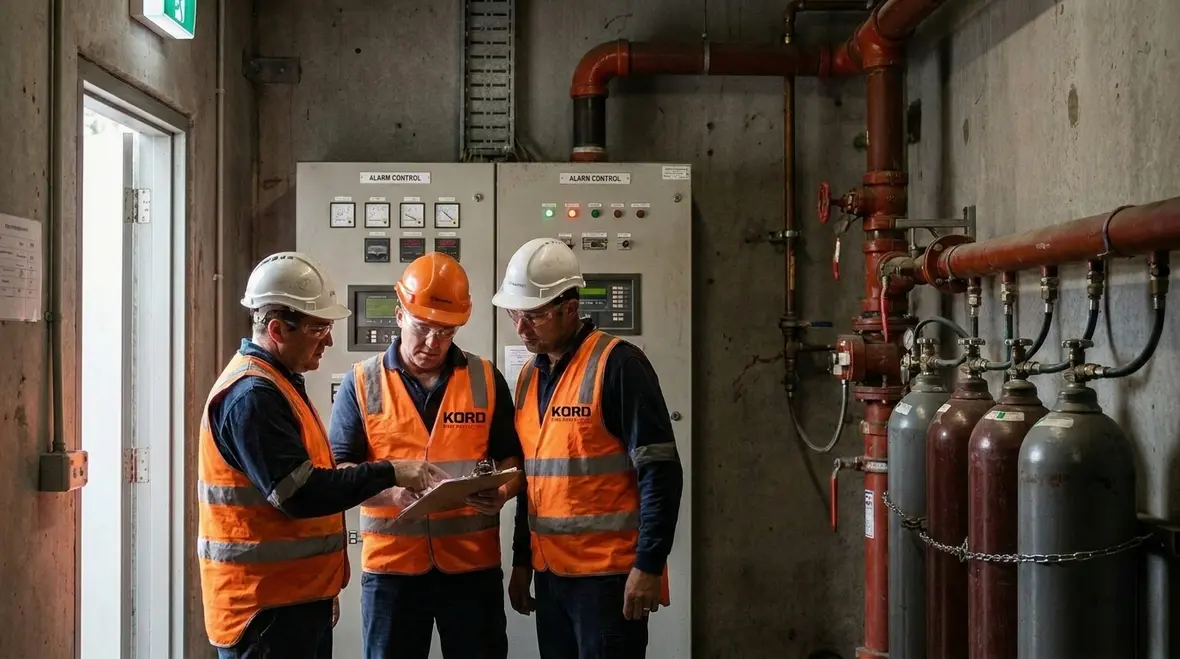
Many businesses do not even realise how deeply Halon sits inside their fire strategy. It often appears where water or typical sprinklers can cause major damage, or where equipment is critical. That is why older system reviews can feel a bit like opening a cupboard and finding a relic still doing an important job. Not glamorous, but definitely not something to ignore.
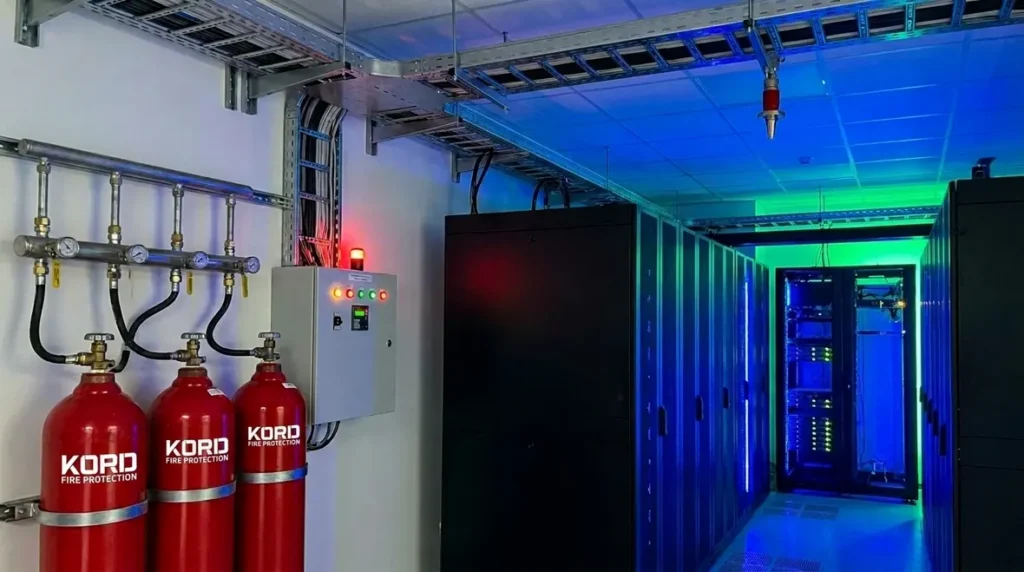
- Computer rooms, data closets, and control spaces in commercial sites
- Vehicle workshops and industrial bays with sensitive components
- Warehouses with high value inventory and limited manual intervention time
- Retail back of house areas storing electronics, refrigeration, or packaging stock
- Special hazard compartments used in process environments
Next, engineers must consider that the system may include detection panels, release controls, pipe networks, nozzles, and cylinder storage. Therefore, removing Halon safely means treating the whole system as one integrated protection pathway, not just “the gas.” That is also why a proper site review matters so much. A system can be quietly tied into alarms, shutdown functions, access controls, and evacuation logic in ways people forget until someone starts tracing cables.
Why hidden system links matter
If a business only focuses on the cylinders, it can miss the wider consequences of the removal project. A control panel may still trigger warnings, a monitored interface may still report faults, or a connected shutdown may affect ventilation and machinery. In practical terms, safe retirement is less like changing a single appliance and more like removing one piece from a very connected safety network without making the rest of the network grumpy.
What safe removal actually involves
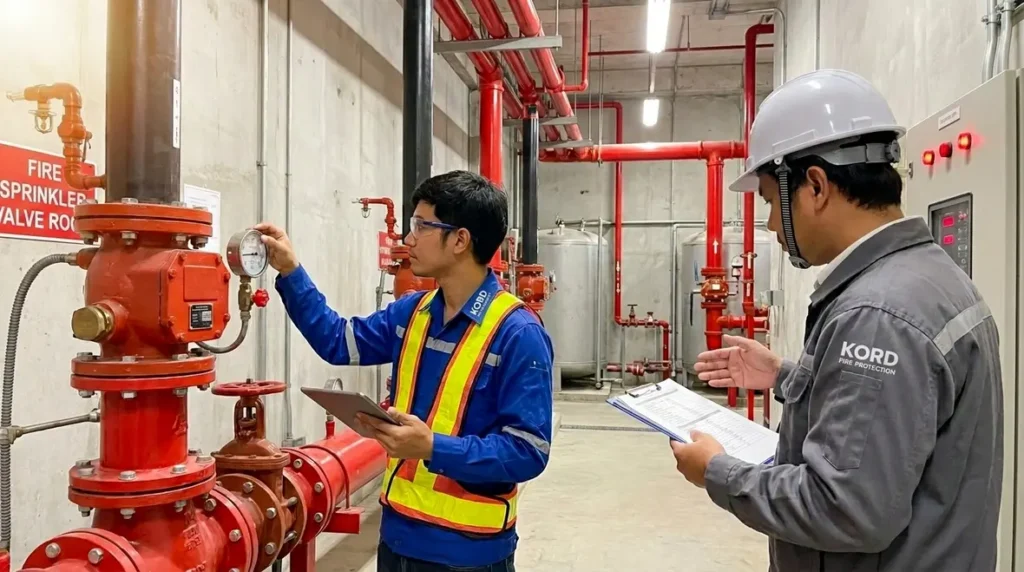
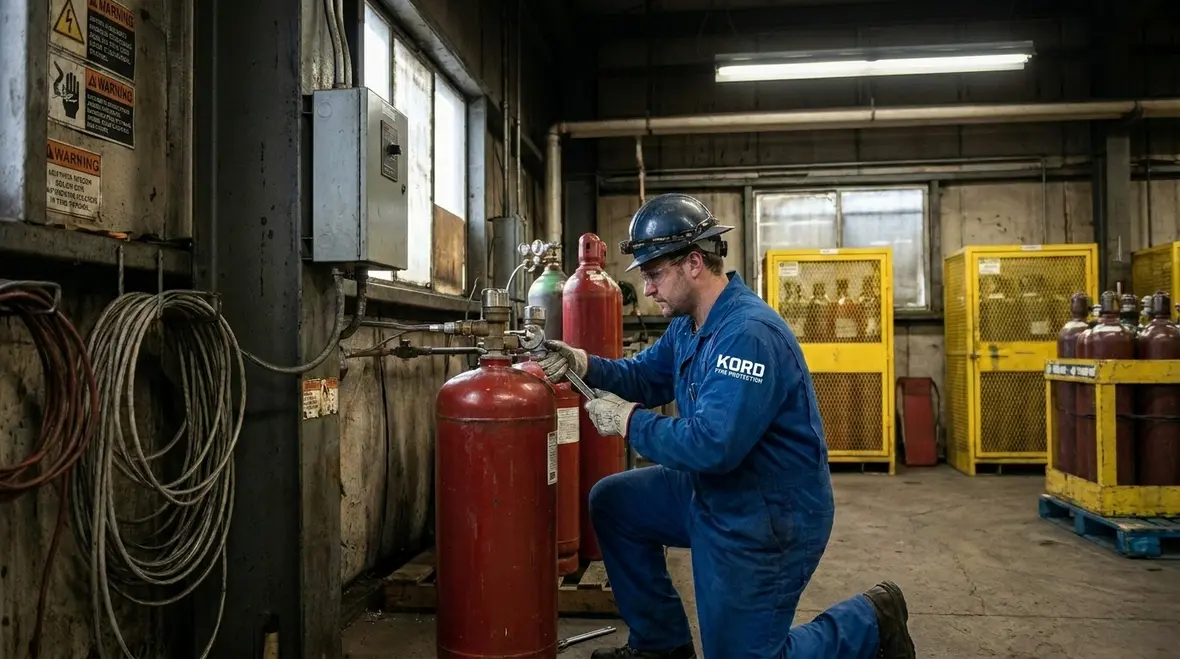
When teams talk about safe removal, they often picture a single day of work. In reality, halon fire suppression removal includes planning, isolation, testing, documentation, and post work verification. It also requires correct handling of cylinders and associated hardware.
- Site review and risk assessment for the hazard area and surrounding operations
- System status verification, including how the detection and release circuits operate
- Isolation of the release pathway so the system cannot discharge accidentally
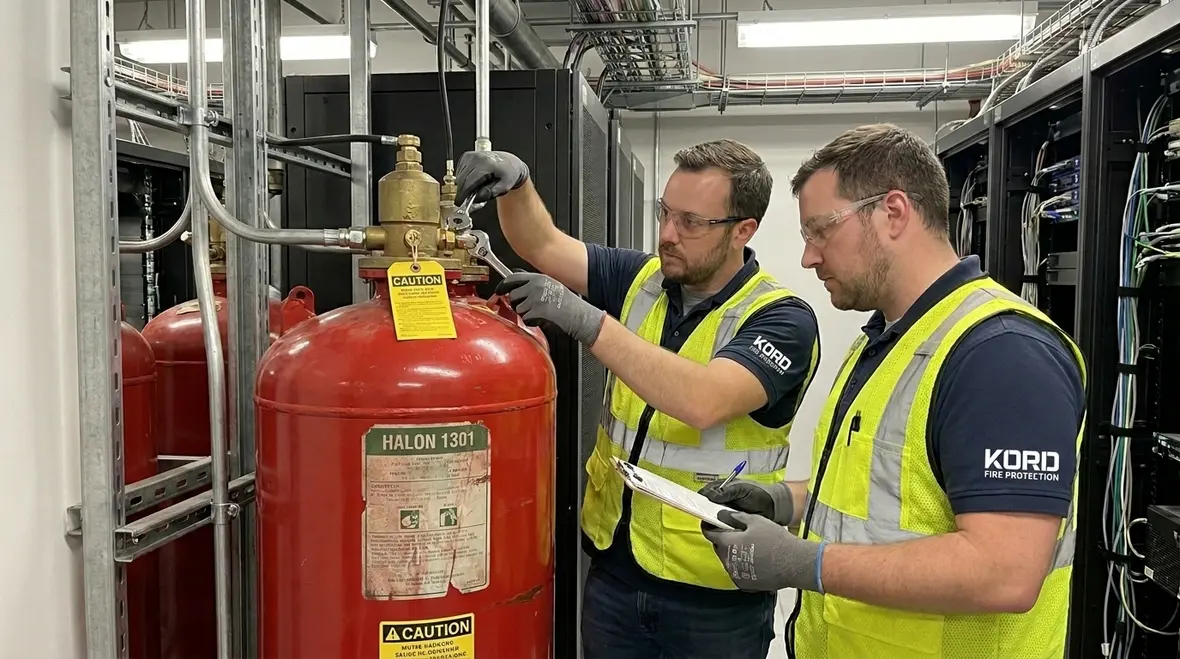
- Cylinder handling procedures that follow legal and safety requirements
- Careful disconnection of valves, piping, and relevant components
- Verification that detection and alarms remain functional where required
- Update of records, maintenance logs, and asset registers
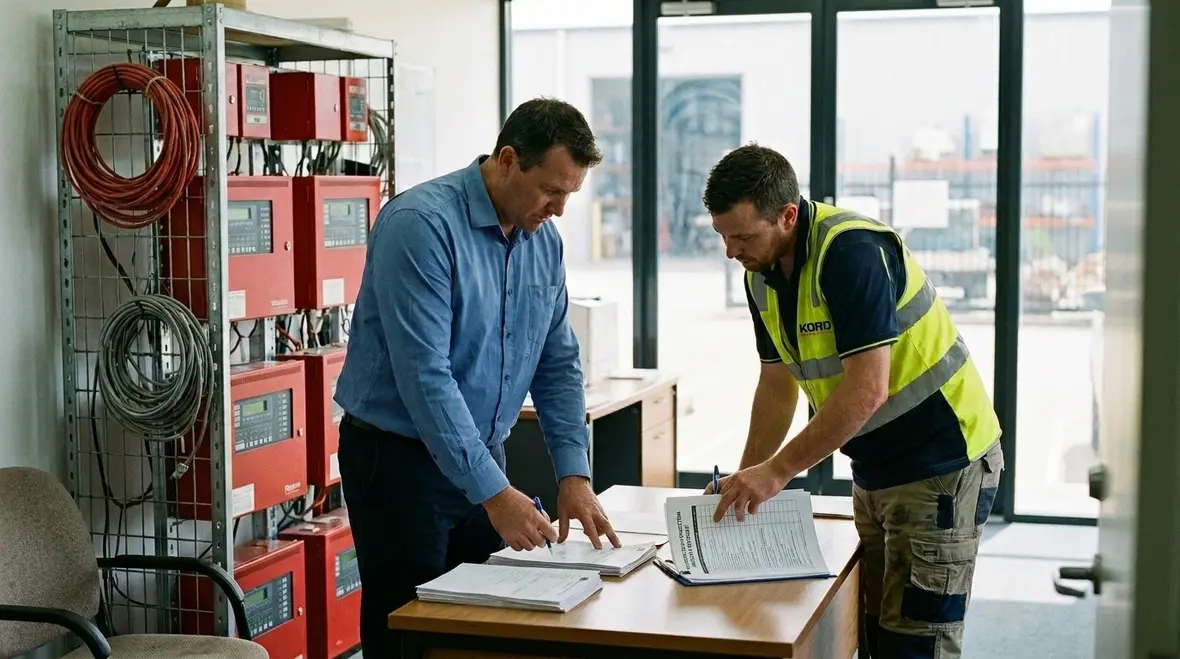
And yes, there is paperwork. Lots of it. If anyone tells a facility this part is “quick,” they are either joking or they have never met a compliance officer. So, a smooth job depends on having the right documentation workflow before tools even come out.
On active sites, removal planning also means sequencing trades, access, and permits in the right order. Technicians may need to coordinate around warehouse movements, workshop activity, deliveries, customer trading hours, or sensitive plant operations. A rushed schedule can create more risk than the old hardware ever did. A controlled schedule, by contrast, keeps the project boring in the best possible way.
What businesses should prepare before work starts
Before removal begins, facilities should gather maintenance records, drawings, previous service notes, and any information about connected alarms or shutdowns. They should also confirm who signs permits, who controls access to the hazard area, and what temporary protection steps will apply during the transition. This prep work may not look dramatic, but it saves time, avoids confusion, and makes everyone involved seem far more organized than they feel at 7:15 on a Monday morning.
How compliance planning protects operations
Businesses want two things: safety and minimal disruption. Therefore, strong compliance planning starts with understanding the current system’s age, configuration, and expected replacement pathway. Teams then coordinate outage windows, access routes, and permit conditions, especially in industrial and busy retail environments where foot traffic and production schedules can collide.
In many projects, the biggest risk is not the removal itself, but the gaps that appear during transition. For example, if the existing hazard protection is taken offline too early, or if the replacement timeline slips, the facility may lose coverage. Consequently, Kord Fire Protection and partners build staged plans that keep areas covered while hardware changes happen.
Also, when organizations manage alternatives, they need to consider clean agent options, water mist strategies, or other suited approaches depending on the space. The main point is that the facility does not just remove Halon. It replaces a safety function with something that fits the hazard profile. That decision should reflect the space, the assets inside it, occupancy patterns, and what level of interruption is acceptable if a fire event occurs.
Choosing a partner for Halon service and replacement
Not every contractor can handle these systems end to end. In fact, a facility needs a partner that understands both the technical side and the compliance side, then coordinates the job without turning it into a “who owns what” meeting. This is where Kord Fire Protection becomes valuable.
What Kord Fire Protection brings
Technical capability
- Assessment of Halon system layout and discharge controls
- Safe isolation steps that reduce accidental release risk
- Integration with ongoing maintenance and alarm functions
Project control
- Clear site scheduling around industrial and retail operations
- Documentation and record updates for compliance trails
- Staged transition planning to limit downtime
Meanwhile, the business side matters too. Therefore, Kord Fire Protection supports teams who must answer to safety managers, insurers, facility directors, and regulators. The result is calmer project delivery, fewer last minute surprises, and less downtime across the sites that keep the lights on.
And for those wondering, yes, the best partners feel like a calm producer on set. They do not shout “action” until the shot is ready. They turn up prepared, know where the risks sit, and keep the job moving without theatrics. For businesses that have enough operational chaos already, that kind of steadiness is not a luxury. It is part of the value.
Long term outcomes after halon fire suppression removal
Once Halon discharge hardware and cylinders leave the building, the next phase becomes equally important. Facilities must verify that detection, alarm interfaces, evacuation strategies, and maintenance schedules match the new design. Moreover, any remaining pipework, nozzles, or related components must be addressed so the system does not become a confusing “ghost” asset during future inspections.
In the same way a warehouse updates its racking plans before the busy season, fire protection upgrades require a structured follow up. Therefore, Kord Fire Protection helps teams plan the next steps so that inspection readiness improves instead of declines after the job.
Additionally, when businesses select the replacement approach, they should match the agent to the hazard and occupancy. That reduces false assumptions during drills and keeps response plans accurate. It also supports smoother training for staff who manage alarms and evacuation procedures. A removal project is successful when the old system is gone, the new arrangement makes sense, and the next inspection does not begin with someone asking, “Wait, what does this nozzle still do?”
FAQ
Ready to retire Halon without drama?
When a facility faces ageing Halon equipment, it should not gamble on guesswork. Kord Fire Protection helps businesses across Australia plan halon fire suppression removal with safe isolation, controlled scheduling, and clear documentation, so operations stay stable while compliance improves. If industrial production or retail traffic makes downtime costly, Kord can coordinate a staged transition that keeps risk low and timelines realistic. Reach out today to book an assessment and get a calm plan in motion.