Halon System Found in Fire Safety Inspection in Australia
Quick Answer: If a halon system is found during a fire safety inspection, the auditor typically flags it for compliance risk, performance concerns, and outdated handling rules. The site owner then needs documentation, manufacturer data, and a plan to repair, test, or replace the system. The right partner makes this painless.
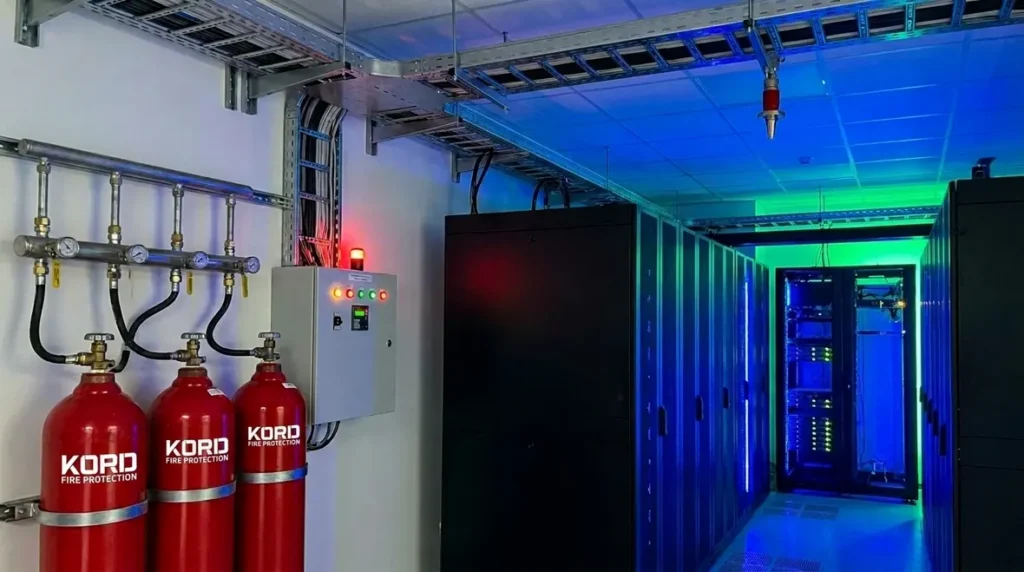
During a routine fire safety inspection, a halon system can show up like a surprise guest at a staff meeting. It is not always dangerous on day one, but it often triggers questions fast. In the first 100 to 150 words of the process, inspectors usually assess the system’s condition, labeling, control equipment, documentation, and last test dates. Then, the deeper work begins. Our team, Kord Fire Protection, regularly helps industrial, retail, and commercial facilities across Australia handle these findings with calm focus and practical steps that satisfy compliance without turning the site into a circus. For facilities reviewing broader extinguishing options, fire suppression systems planning often becomes part of the conversation once a halon system is identified.
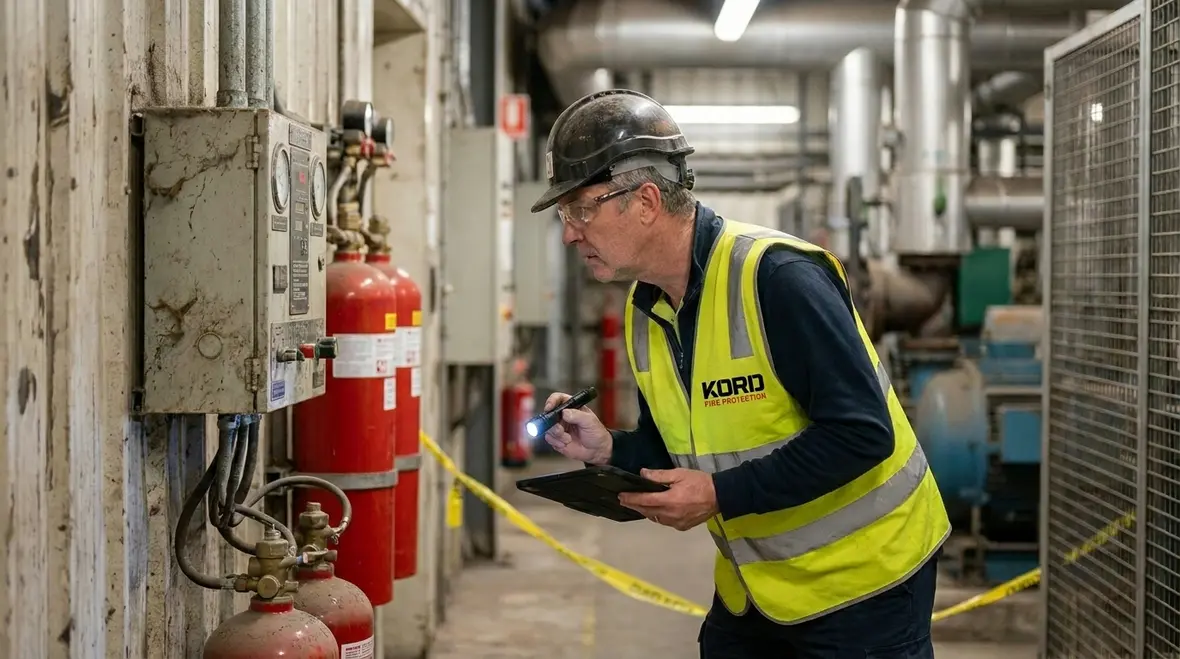
What a halon finding means for compliance in Australia
When an inspector discovers halon, they generally treat it as a potential compliance and risk item. Even if the system has been installed and maintained for years, rules and expectations evolve. As a result, the inspection report may include concerns about the agent’s status, cylinder condition, discharge controls, and whether the system meets current standards and duties.
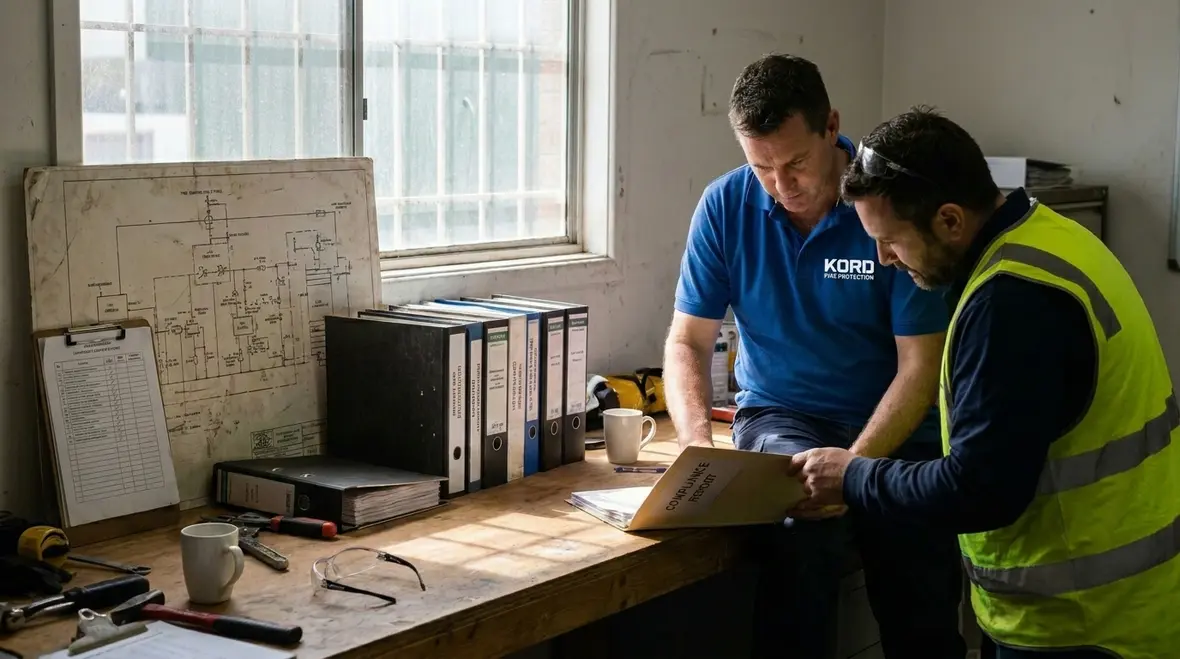
Next, inspectors often review whether the facility can prove ongoing reliability. Therefore, documentation becomes the backbone of the response. That includes maintenance records, test reports, design references, and any last service sign offs. If those records are missing, the findings can grow in severity quickly.
Why documentation gets attention so quickly
Paperwork is rarely glamorous, but in this situation it does a lot of heavy lifting. A facility with service reports, equipment details, and clear maintenance history usually has a smoother path through the response phase. A facility with gaps, mystery labels, and missing test records tends to spend more time answering questions than solving them. That is why organized documentation is not just admin work. It is part of the fire protection strategy.
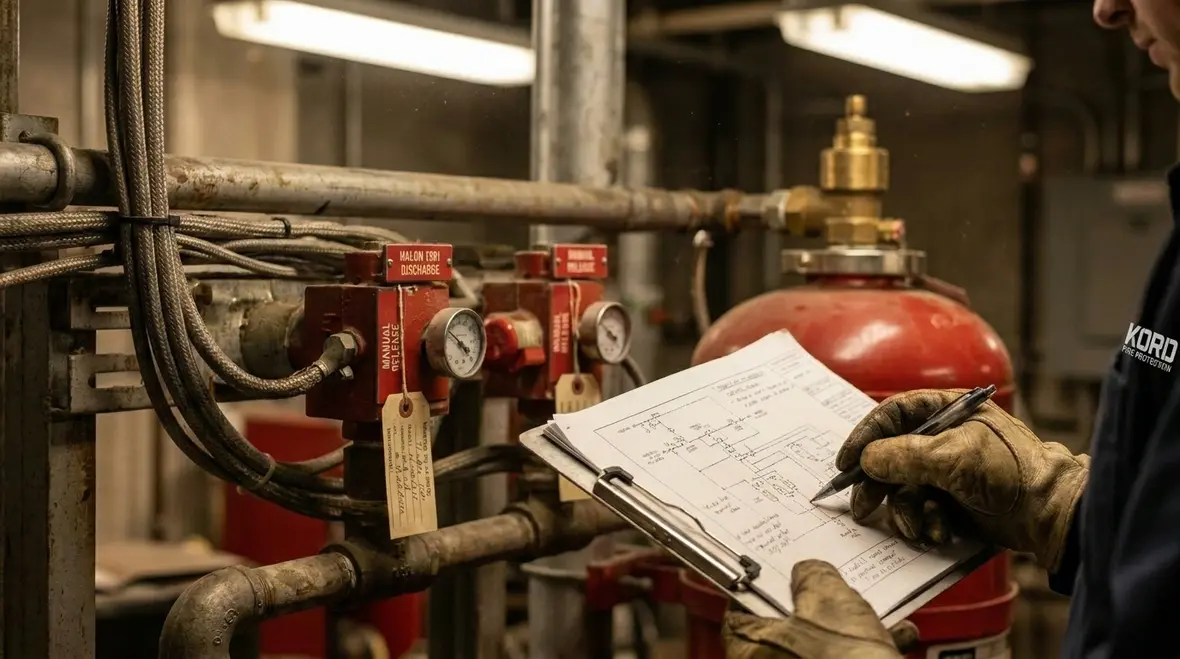
How an inspector evaluates a halon system inspection on site
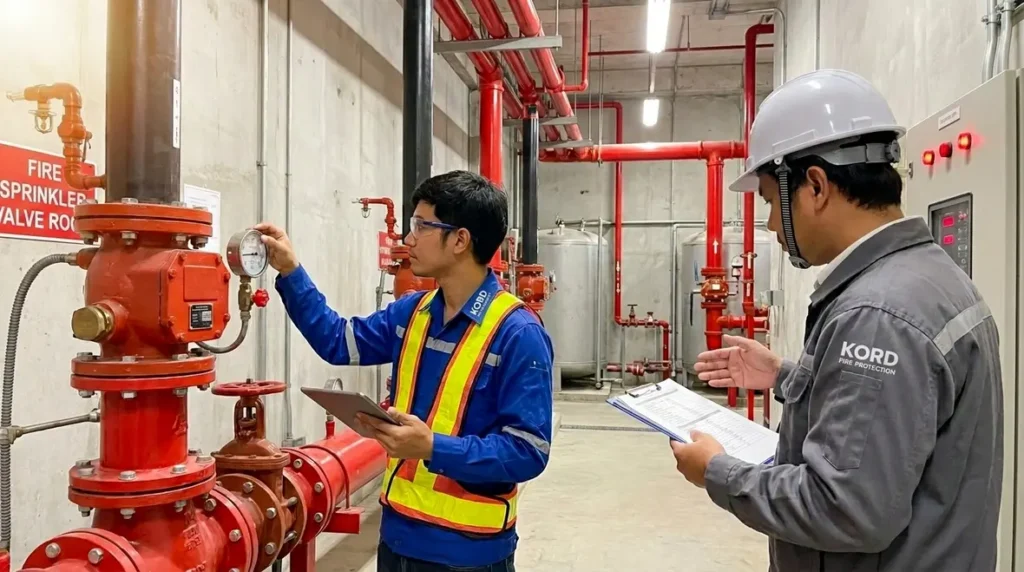
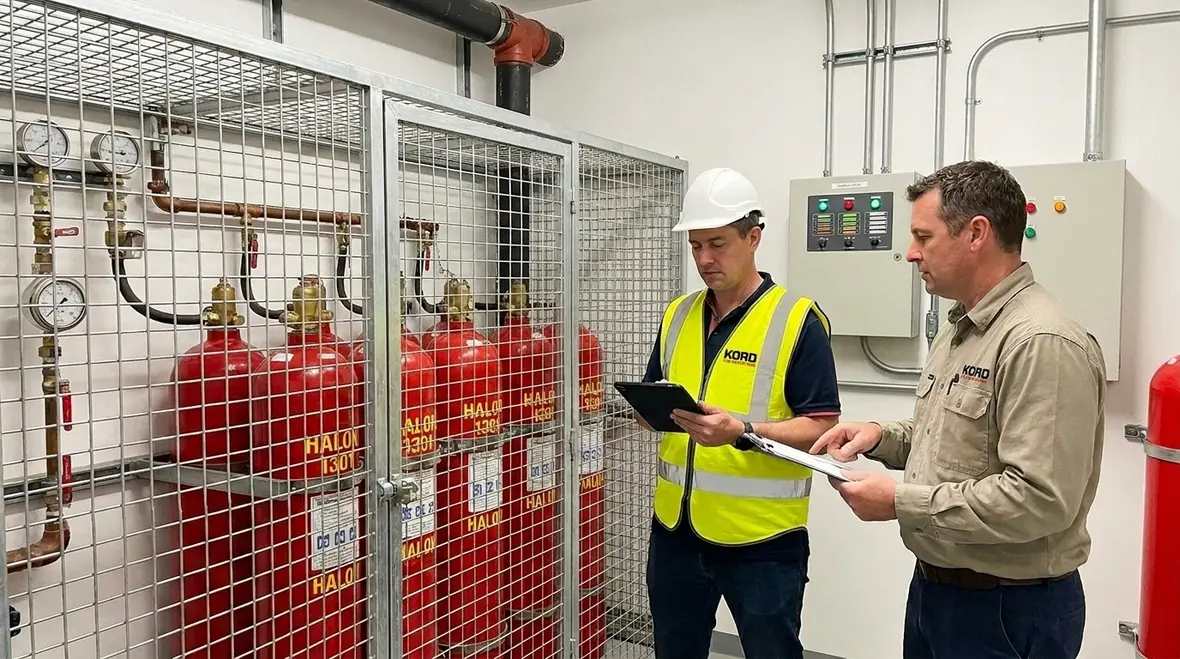
In most facilities, the halon system inspection starts with simple but critical checks. First, the inspector looks for clear identification, cylinder information, and system schematics. Then, they verify access to control panels, inhibit systems, manual release points, and any associated detection equipment.
After that, the evaluation expands. Inspectors may confirm that the discharge pathway is correct, that valves and actuators respond as required, and that the system is set up for the protected hazard. In addition, they consider the maintenance history. If test dates look old, or if maintenance notes are incomplete, it signals the system has not been managed consistently.
Finally, they assess whether the system’s agent use and handling align with current obligations. If the system is no longer allowed or is restricted, the facility can face a required upgrade plan. Think of it like a used car inspection. The car might drive today, but the report still tells the owner whether it passes tomorrow.
Common things inspectors focus on during the visit
- Clear system labels and readable cylinder identification
- Access to panels, release stations, and controls
- Evidence of recent testing and maintenance activity
- Condition of valves, actuators, and discharge arrangements
- Alignment between the protected risk and the installed system
What happens after the inspection report is issued
Once the inspector issues the report, the site owner usually receives a list of corrective actions. Those actions can include immediate hazard controls, documentation updates, and a repair or replacement pathway. Moreover, the timeline often depends on how the system performs during functional checks and what the inspection notes reveal.
Often, the fastest win is assembling the missing pieces. Then, Kord Fire Protection can help the facility get organized quickly. We commonly support teams by reviewing the existing records, confirming what evidence exists, and identifying what is missing. After that, we map the findings to practical service actions so the site can move forward without guessing.
This stage matters because delays can multiply. A minor finding with a clear response plan tends to stay manageable. A minor finding with no owner, no records, and no dates can become the issue that hangs around like office cake nobody admits buying. The faster the response gets structured, the easier it is to control cost, scheduling, and compliance outcomes.
Risks that sites should not ignore
Even when a halon system exists, several risks can appear over time. Pressure loss, valve issues, control panel faults, or degraded components can reduce reliability. In addition, detection and release coordination can drift if there are changes in the protected area, upgrades to machinery, new partitions, or altered airflow.
Furthermore, a system that discharges incorrectly can cause business interruption. And nobody wants that. It is bad enough when a pop quiz happens, but imagine the fire suppression activation turning a production area into a maintenance project. Therefore, risk management should stay practical and grounded.
Alongside performance, compliance risk matters. If an agent is restricted, the facility must plan properly. Otherwise, the site may face recurring non compliance notices during follow up reviews. In other words, the problem does not just disappear because everyone hopes for the best.
The operational impact behind the paperwork
A halon finding is not only a compliance matter. It can affect insurance discussions, maintenance scheduling, contractor coordination, and site confidence in emergency systems. If a protected room has changed use over time, the original setup may no longer reflect the real hazard. That is where a practical review becomes valuable. It helps the site separate what is still workable from what needs attention now.
Service options: repair, requalification, or replacement
When facilities face findings, they typically choose between repair, requalification, or replacement. The right path depends on system age, condition, documentation, and current regulatory expectations. Still, the goal stays the same: protect people, protect assets, and satisfy inspections.
Kord Fire Protection helps clients evaluate options with a clear process. First, we verify the system’s current configuration and compare it to the provided design intent. Next, we inspect key components for condition, access, and readiness. Then, we outline a plan that explains what can be done now and what must wait for procurement or installation scheduling.
Typical outcomes across facilities
If components are healthy
Documentation is updated, routine maintenance is completed, and functional checks bring the system back to an inspection ready state.
Best for facilities with strong records and recent service history.
If evidence or parts are weak
Repairs and requalification steps occur, and a longer term upgrade plan gets scheduled before the next review.
Best for sites with unknown service history or aged components.
Even when replacement becomes necessary, the transition can be managed. Kord Fire Protection coordinates service timing and helps facilities plan around operations, so the change does not halt productivity. After all, fire protection should work like good air conditioning. You only notice it when it fails, and you do not want that moment.
Why Kord Fire Protection becomes a vital partner
Our role goes beyond showing up with tools and a clipboard. We act as a partner who keeps the inspection journey moving. That means clear communication, practical scheduling, and service outcomes that stand up to scrutiny.
First, we support clients who need a fast response after a finding. Then, we help them build a clean record of what exists, what was checked, and what was corrected. Finally, we plan next steps so follow up inspections do not become a repeat performance.
For industrial, retail, and commercial sites across Australia, that matters. Locations can differ widely: warehouses, service bays, plant rooms, data areas, and retail back of house spaces. Kord Fire Protection adapts to each environment, and we coordinate with facility teams so safety work stays realistic.
In short, when a halon system inspection reveals a halon system, Kord Fire Protection helps the facility respond with confidence, not panic. Because compliance should feel like business, not like a mystery novel where everyone forgot the ending.
FAQ
Conclusion and CTA: When a halon system is found during a fire safety inspection, the best move is not delay, and it is not guesswork. Kord Fire Protection helps facilities in Australia respond with clear documentation, practical service actions, and a pathway that fits repair, requalification, or replacement needs. If your inspection report lists a halon issue, contact Kord Fire Protection today to schedule a focused review and get your next steps under control.