Is Halon Illegal in Australia Fire Suppression?
Quick Answer: Halon fire suppression can be illegal or restricted in Australia, depending on what system the building uses, how the agent was sourced, and whether it is maintained or replaced. Building owners should treat “halon illegal” as a compliance risk and seek expert guidance before servicing or upgrading systems.
When a facility leans on older fire suppression equipment, it often comes with one big question: is halon illegal in Australia? In the first few steps of an inspection, a building owner may hear the phrase like it is a ghost story, and honestly, it kind of is. Halon systems were once common for protecting high value hazards, but regulations today focus on preventing ozone harming chemicals from escaping. Therefore, the real issue usually is not a simple yes or no, but whether the system and its ongoing handling meet modern legal and environmental duties.
In this guide, third party professionals can walk building owners through the compliance landscape, the practical risks, and the best way to keep industrial, retail, and commercial facilities protected without getting stuck in the legal equivalent of a “support ticket that never ends.” Our company, Kord Fire Protection, can act as a vital partner for owners who need clarity, safe procedures, and reliable service that fits the site.
If your site is already reviewing legacy gaseous protection, it also helps to understand how broader fire suppression systems are planned and maintained in modern facilities. That context makes it much easier to decide whether an older halon setup should stay in service temporarily, be tightly managed, or be replaced through a staged upgrade program.

What the rules generally target in Australia
Australia regulates ozone depleting substances through federal and state environmental frameworks. As a result, systems that use halon are treated with extra care because the chemical can damage the ozone layer if released. Even when a system is still operational, obligations often attach to maintenance practices, servicing work, leak prevention, and the way any discharged agent is handled.
Next, building owners should understand that compliance is not only about owning the hardware. It also involves documenting what exists, proving the system’s condition, and ensuring technicians follow approved methods. Therefore, the question “halon illegal” becomes less about panic and more about correct management.
Why the legal answer is rarely just yes or no
That is where many owners get tripped up. A halon system may not automatically mean the building is breaking the law simply because the hardware exists. The bigger issue is whether the agent, the handling, the records, and the ongoing servicing all line up with today’s expectations. If any one of those pieces is weak, the site may carry a compliance problem that is easy to miss during day to day operations.
At this point, a sensible owner does what smart facilities do: they bring in professionals who know both fire safety and regulatory expectations. Otherwise, the facility may keep passing tests while quietly building risk into the paperwork, and that is when problems show up later, often during audits or insurance reviews.
Why older halon systems create compliance risk
Even if a halon system still performs, the risk often comes from change over time. Halon cylinders, pipework, and valves age. Seals can degrade. Also, if a contractor uses the wrong processes, technicians may accidentally vent agent during service. Then the facility can face enforcement issues, along with reputational damage and costly rework.
In addition, many sites have mixed hazards. For example, a commercial facility might contain control rooms, electrical rooms, data areas, or retail back-of-house spaces where suppression systems were installed decades ago. If those systems were installed under earlier standards, the facility may now need updates to match current expectations for inspection intervals, testing methods, and documentation.
It is a bit like wearing an old suit to a modern interview. It might still fit, but it no longer matches the rules of the room. Fire protection works the same way: it must match today’s requirements.
Common ways older systems become a headache
- Incomplete service records that make it hard to prove the system has been managed correctly.
- Components that are still installed but no longer ideal for the current hazard or occupancy.
- Maintenance practices that were once normal but now create environmental or compliance concerns.
- Sites that delay planning until a defect notice, audit question, or insurer request forces action at the worst possible time.
How building owners should confirm their system status
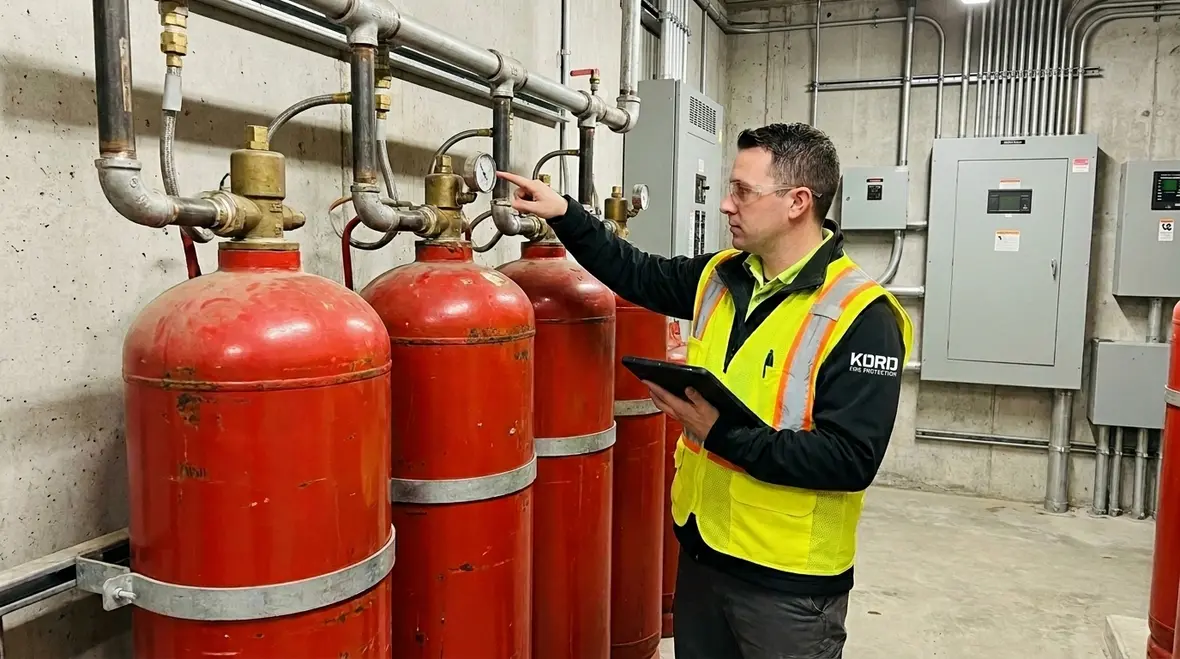
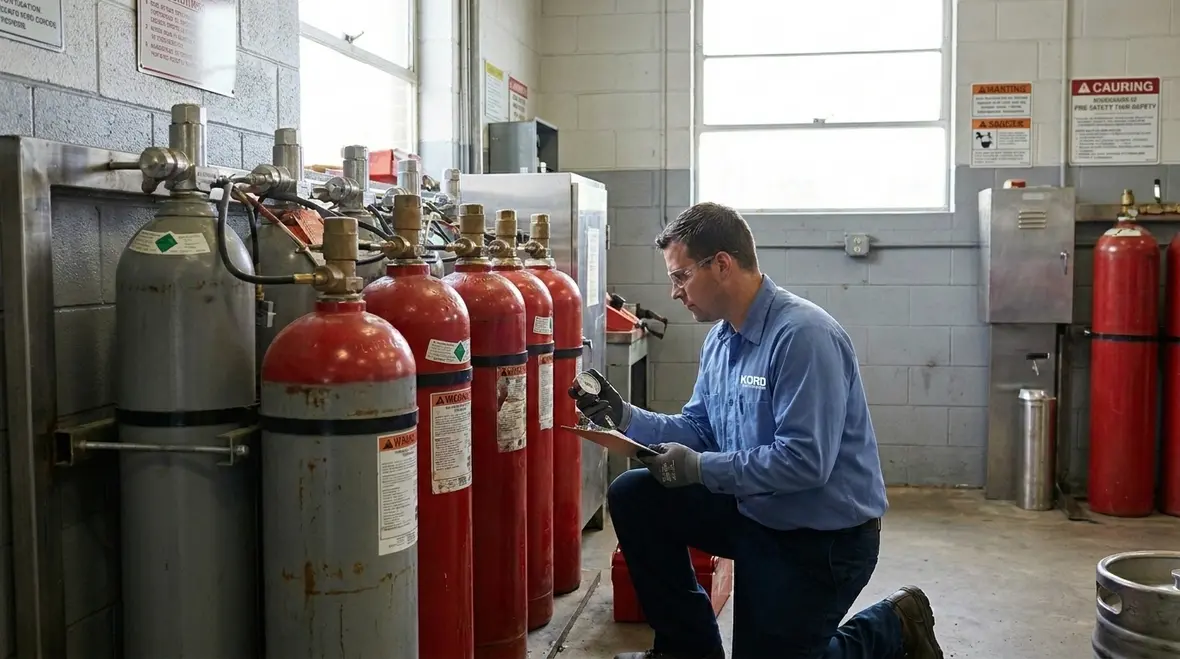
Building owners should not guess. Instead, they should confirm status through structured steps that a competent fire protection partner can deliver. First, identify the system type, agent and configuration. Second, review historical records, including commissioning details, cylinder information, and service logs. Then verify the latest inspection and maintenance evidence.
After that, owners should ask whether the system is suitable for the hazard now present. A change in storage class, occupancy workflow, or electrical load can change risk, even if the system label looks familiar. Finally, confirm what actions are permitted for servicing and whether replacement is required in certain cases.
This is where Kord Fire Protection can become a practical ally. Our team helps industrial, retail, and commercial facilities across Australia understand what they have, what it means, and what comes next. We focus on clear reporting, safe service approaches, and realistic planning so owners can manage compliance without disrupting operations more than necessary.
A practical review checklist for owners
- Identify exactly which suppression agent is installed and where it protects.
- Check cylinder labels, commissioning details, and asset records for consistency.
- Review service logs for evidence of routine maintenance and safe handling.
- Confirm the current site use still matches the original design intent.
- Ask whether the system should remain in place, be tightly managed, or enter an upgrade pathway.
Owners who already know their site has wider life safety issues may also benefit from exploring related guidance on Kord Fire Protection’s website, especially if the building includes multiple protection layers beyond gaseous suppression. A connected review is usually faster, cleaner, and far less stressful than solving each issue as an isolated surprise.
Replacement, upgrade, and the path to safer continuity
Some facilities choose to keep existing systems temporarily while they plan upgrades. Others move straight to replacement. Either approach can work when it follows the right process and timelines. The key is that owners need a plan that supports fire safety, minimises downtime, and reduces the compliance burden over time.
When replacement is considered, professionals often evaluate hazard type and system performance. They then select an agent and design that meets fire engineering needs while aligning with current environmental expectations. Moreover, the building may require training updates for staff and changes to emergency procedures so the response remains consistent.
Also, owners should remember that upgrades are rarely just one job. A project might include modifications to detection, actuating components, alarms, and signage. As a result, it is best to coordinate early and avoid a “patchwork” approach that leaves parts of the system in mismatched states.
Kord Fire Protection supports owners through that coordination. We help shape the service route, the documentation trail, and the practical steps to keep facilities protected while they modernise.

What inspections and maintenance should include
Maintenance is where compliance can be won or lost. Therefore, a proper program should include routine checks of cylinders and hardware condition, leak monitoring where applicable, function testing of associated detection and control systems, and proper records management.
In addition, owners should require that service work follows safe handling procedures. Technicians should use approved methods to avoid accidental discharge. Then they must record what they did, what readings they found, and any corrective actions taken.
Here is a simple truth: if the paperwork looks thin, the regulator’s confidence will be thin too. And yes, paperwork can feel boring. But so do smoke alarms until the day they save lives, right?
Kord Fire Protection provides structured service that suits multiple facility types, from industrial plants to retail precincts. We help owners keep systems on track with consistent inspection schedules, clear reporting, and a calm approach to compliance that reduces the stress for site managers.
What good records usually show
- What system is installed and what area it protects.
- When it was last inspected, tested, and serviced.
- Whether any defects, leaks, or performance concerns were identified.
- What corrective actions were taken and by whom.
- Whether the system remains appropriate for the current site risk.
Working with Kord Fire Protection as a compliance partner
For many building owners, halon systems become a moving target because requirements evolve and records can be incomplete. However, a steady partner can make it easier. Kord Fire Protection can help by assessing existing systems, advising on compliance risk, and planning the safest path forward for ongoing protection.
More importantly, we help owners avoid the common trap of chasing last minute fixes. We can support scheduled inspections, service planning, and upgrade coordination across commercial, retail, industrial, and facility operations across Australia. That way, the facility remains ready for fire safety obligations, insurance expectations, and audit questions that arrive without warning.
If an owner wants a simple outcome, it is this: clearer status, safer handling, better documentation, and fewer surprises. And if you are thinking, “Surprises are fun,” then they should try budgeting for them. Fire compliance is not a place for that hobby.

FAQ
Conclusion: choose certainty before the next audit
Building owners do not need guesswork. They need clear answers, safe maintenance, and a sensible route to compliance. Since halon-related restrictions can create legal and environmental risk, owners should act early, review their system status, and plan appropriately. Kord Fire Protection can become a vital partner for industrial, retail, and commercial sites across Australia, helping manage service, documentation, and upgrade decisions with confidence. If this sounds like your facility, contact Kord Fire Protection today and get a structured plan.