Legal Halon Disposal Australia for System Decommissioning
Quick Answer: Decommissioning a Halon fire suppression system the legal way means planning the shutdown, certifying the system, and handling Halon with licensed disposal and reporting. In Australia, this is not a “wing it” job. A compliant partner like Kord Fire Protection helps teams finish the work safely, on time, and audit ready.
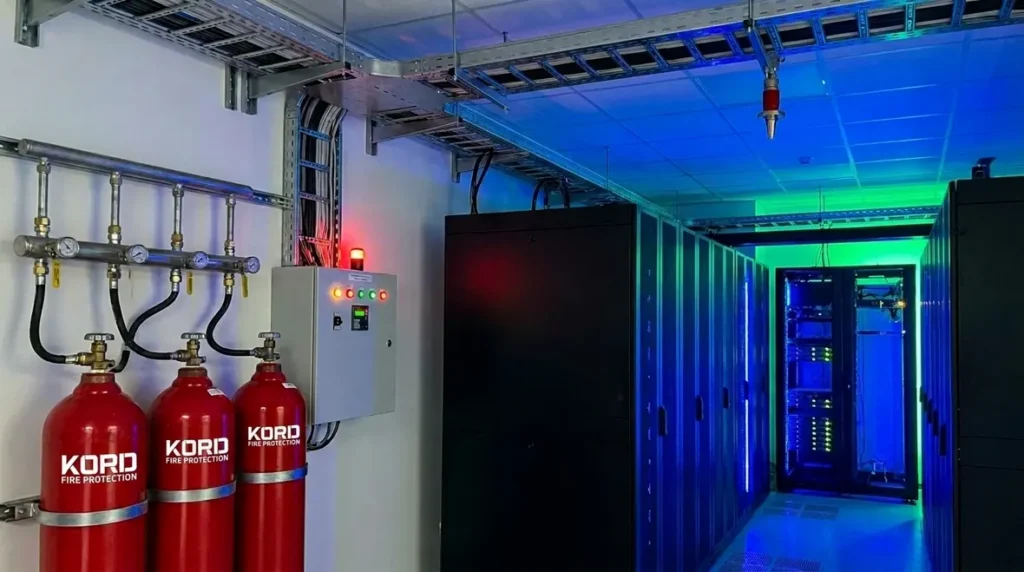
When an organisation needs to retire a Halon fire suppression system, the pressure hits fast. Budgets tighten, facility teams get busy, and safety officers start asking the questions that slow everything down. That is where halon disposal Australia becomes more than a phrase. It becomes the backbone of lawful, responsible decommissioning. In this article, Kord Fire Protection walks through the practical steps that keep the work compliant and the risk controlled, while also explaining how our team can act as a vital partner from shutdown planning to end stage handling. If your site is also reviewing broader agent based protection strategy, it makes sense to look at fire suppression systems early in the planning process so decommissioning does not leave a protection gap behind.
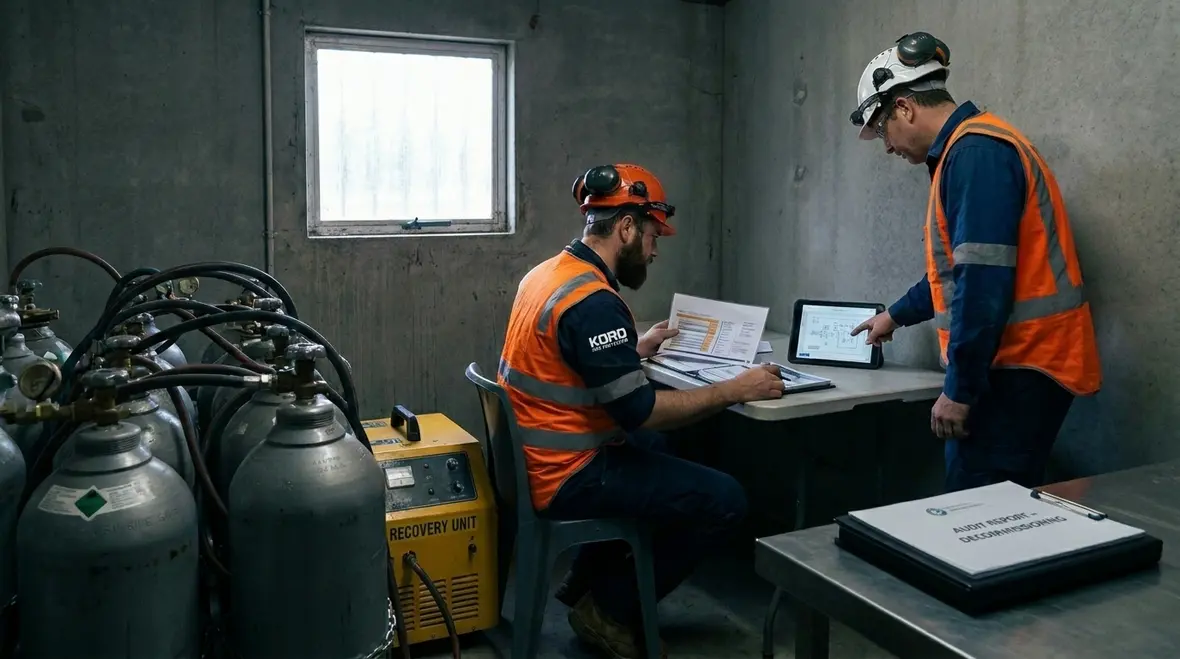
What “legal decommissioning” really means
Legal decommissioning means the organisation stops using the system, proves it is no longer functional, and manages any remaining Halon so it does not create environmental harm or regulatory exposure. Halon is not “just another extinguisher.” It sits in a regulated category, so proper handling, storage, and disposal processes matter.
To keep things compliant, facility managers usually need documentation that shows what happened, when it happened, and who performed each task. Therefore, the organisation must avoid informal disposal and instead use licensed pathways for halon disposal Australia and system discharge recovery. Otherwise, the project can turn into an expensive game of paperwork roulette.
Why documentation matters more than people expect
A lot of decommissions go sideways not because the technical work was impossible, but because no one captured the evidence properly. A cylinder might be removed, a panel isolated, and a room signed off, yet six months later the site cannot prove the sequence or show who handled the agent. That is where legal exposure gets awkward fast. A good decommission trail does not just satisfy auditors. It protects operations managers, property owners, and safety teams from the classic “we thought someone else had that file” problem.
Step by step shutdown planning for compliance
Before any valves move, a legal decommission plan sets the sequence. First, the team confirms system type, cylinder quantities, agent condition, and installation configuration. Then, they identify the occupancy impacts and develop a safe schedule. Next, they coordinate with building operations so the area remains protected while the system is taken offline.
After that, a competent person issues an operational plan for isolation and discharge. The goal is simple: stop the system without creating hazards, and preserve the Halon for authorised handling. In practice, this often includes
- verifying alarms and detection logic for the protected zones
- isolating power and control circuits where needed
- ensuring safe access for cylinder recovery or removal
- planning temporary fire protection measures if coverage changes
Finally, the job team documents the plan and ensures the execution matches it. That is where Kord Fire Protection becomes useful, because our scheduling and compliance mindset helps commercial and industrial operators avoid the “it was probably fine” approach that regulators hate and insurers dislike. Pop quiz answer: it was not fine.
This planning stage is also the best time to decide what happens after the Halon system is retired. Some sites move to a replacement clean agent system. Others rework the protected space, upgrade detection, or alter occupancy use. Whatever comes next, shutdown planning works best when it is tied to the building’s actual operating needs rather than treated like a standalone technical errand.
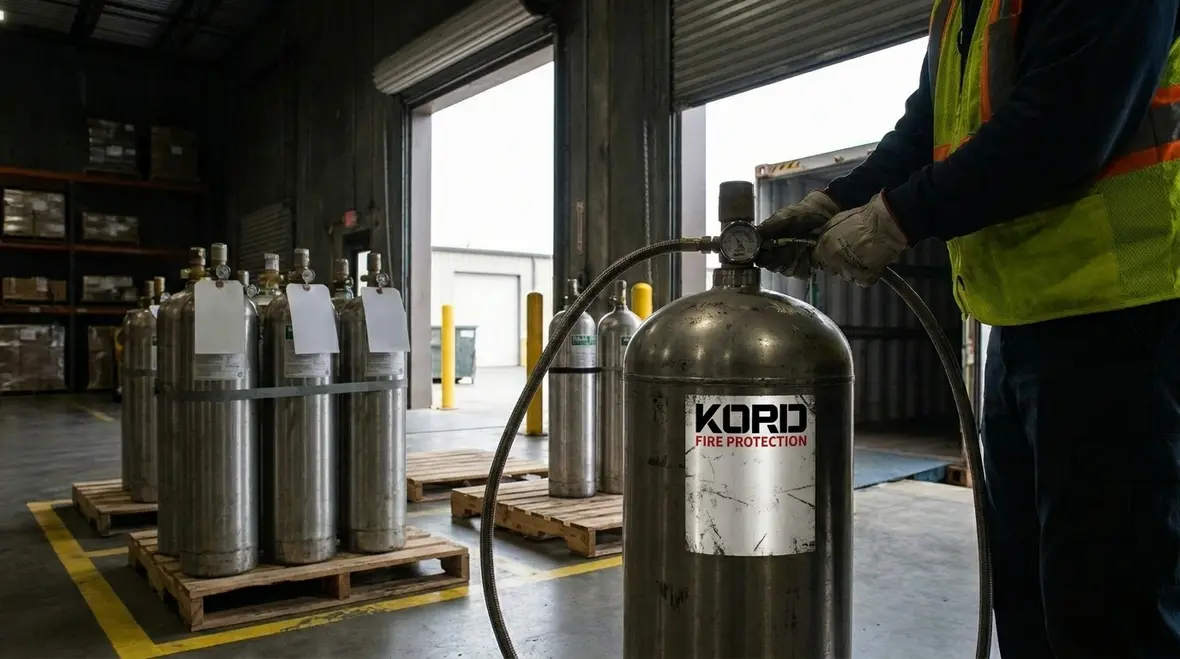
How to handle Halon cylinders and recovery correctly
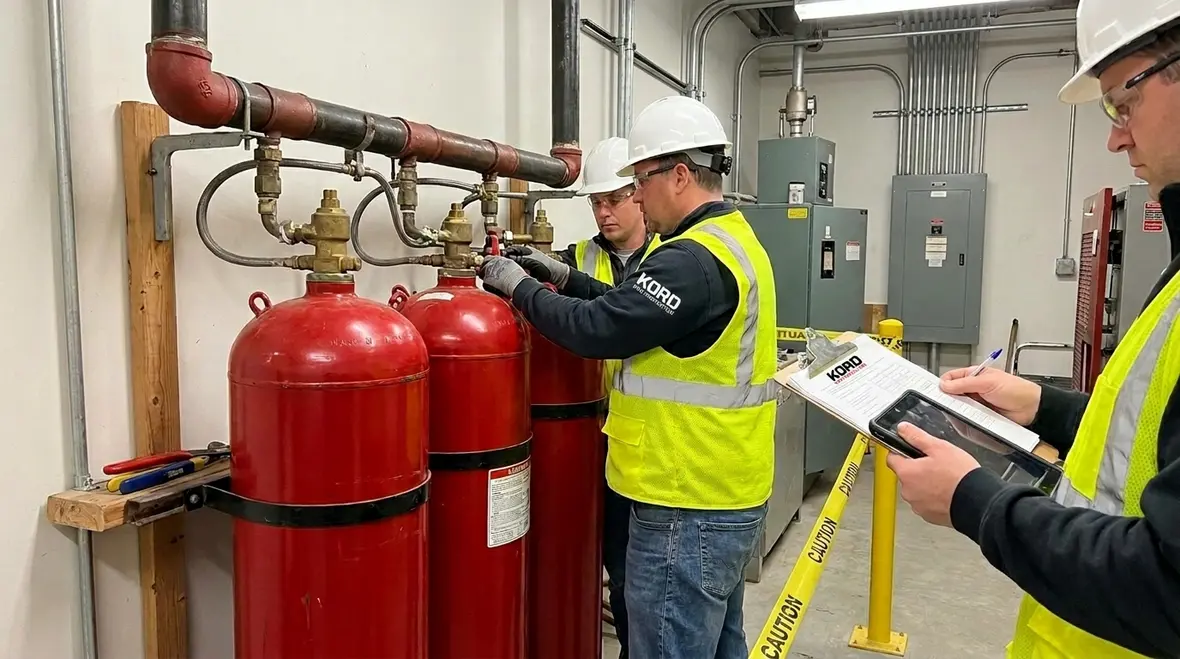
When the system reaches the decommission stage, recovery and handling must follow defined procedures. Depending on the system design, teams either recover agent into suitable containers or remove components in a controlled manner. Importantly, they avoid venting. Halon released to atmosphere creates environmental impact and can trigger serious compliance consequences.
In the field, the correct approach typically means
- using calibrated tools and approved recovery methods
- maintaining proper storage labelling and container integrity
- sealing cylinders and managing residuals as required
- keeping chain of custody records for the agent
From there, the organisation transitions to halon disposal Australia through an authorised pathway. That part matters because you want the last step to be provable, not mysterious. Kord Fire Protection supports the full workflow so the facility receives clear records and a clean handover, rather than leaving the site with half a story and a full headache.
Chain of custody is not boring when it saves the audit
People hear “chain of custody” and immediately imagine a stack of forms with the charisma of wet cardboard. Fair enough. But in Halon work, custody records are what turn a messy memory into a defensible process. They show where the agent came from, how it was contained, who moved it, and how it reached the approved next step. If a regulator, insurer, or client asks questions later, those records are what keep the answer calm and short instead of sweaty and complicated.
Testing, certification, and system deactivation evidence
Once the decommission work completes, the organisation must show the system is not capable of accidental discharge and is no longer intended for service. Therefore, testing and confirmation carry weight. Teams usually document controller status, confirm isolation, and update any signages or diagrams that reference the system.
Next, the project team provides deactivation evidence. That can include
- commissioning or maintenance history updates showing the system status change
- photos of removed components or secured cylinders
- final inspection notes and compliance statements
- handover documents for site management and safety officers
Also, facilities often need to revise emergency plans for the protected spaces. That step prevents confusing response during an incident. After all, firefighters do not want a “maybe this system works” situation. They want certainty. Like a well designed movie ending, the last scene must be clear.
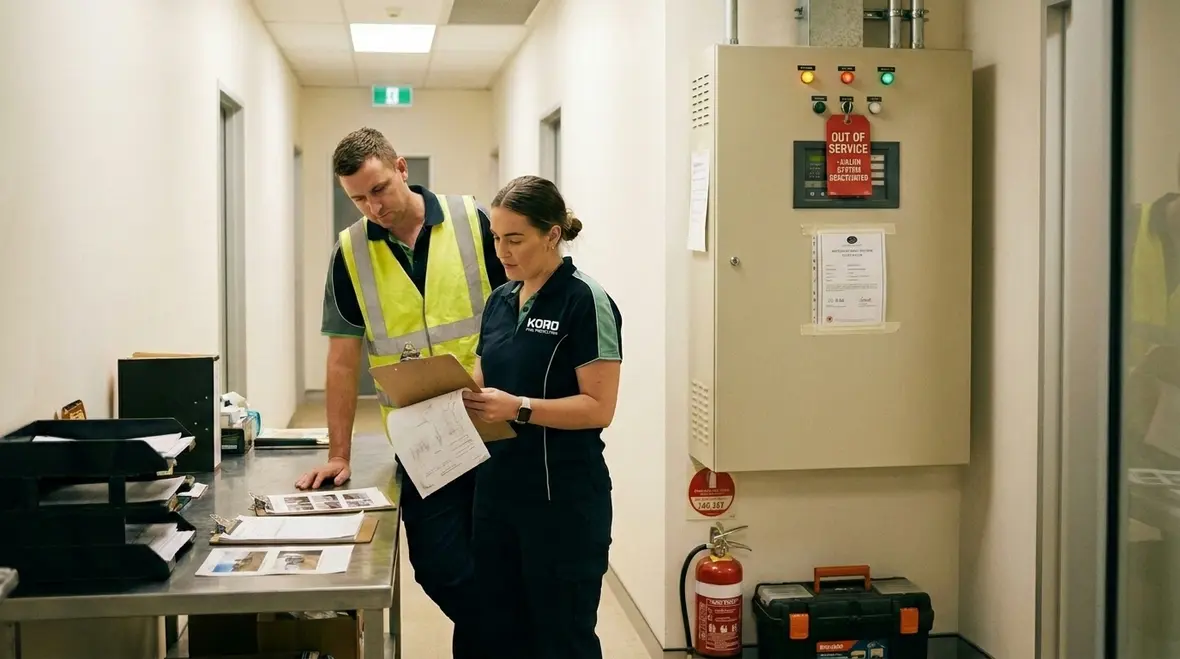
Working with Kord Fire Protection as a vital partner
Kord Fire Protection helps industrial, retail, and commercial facilities across Australia manage Halon retirement without drama. We treat decommissioning as a regulated project, not a “closeout after lunch” task. To do that, we coordinate technical steps, compliance documentation, and safe handover.
In many sites, the biggest risk is not the cylinders. It is the gaps between teams. Operations thinks the system is being handled. Contractors think someone else owns paperwork. Audits come, and suddenly everyone wants their part from yesterday. Therefore, our role is to bring structure to the process and reduce rework.
Our partnership approach can include
- site assessment to confirm system details and operational impacts
- decommission planning that aligns with safety and facility schedules
- qualified deactivation execution with controlled recovery steps
- handover documentation that supports compliance checks
And yes, we keep it practical. If the building manager needs the protected area back to normal operations quickly, we plan around that. Think of us as the calm person in the meeting who says, “Let us do this properly, and then we can go home.”
Why a single project lead makes life easier
The sites that handle this best usually have one point of coordination who can connect maintenance, compliance, operations, and contractors without letting details disappear into the void. That is often where outside support adds the most value. It is less about making the process dramatic and more about making sure the job does not depend on crossed fingers, old emails, and someone’s memory of a conversation near the lift three weeks ago.

Common compliance pitfalls and how they get avoided
Even experienced teams can stumble. They may remove components without capturing recovery evidence. They may schedule shutdowns without coordinating alarms and interim protection. Or they may treat disposal as an afterthought rather than a documented compliance stage.
Here are frequent pitfalls and how Kord Fire Protection helps prevent them
- Skipping documented recovery steps, which weakens audit trails
- Failing to update emergency plans and signage, which creates confusion
- Not coordinating with facility operations, which extends downtime
- Assuming the system is “empty” without verification
Because these projects span multiple building types and operational realities, the best approach includes clear responsibilities and tight records. In other words, the paperwork should not be a surprise villain who shows up in the third act.
FAQ
Final thoughts and call to action
Decommissioning a Halon fire suppression system legally requires more than switching off controls. It needs structured planning, verified deactivation, and authorised halon disposal Australia handling with clear documentation. Kord Fire Protection helps facilities across Australia manage the job from start to finish, so safety stays intact and compliance stands up under scrutiny. If your site is ready to retire Halon, contact Kord Fire Protection today for a practical, audit-ready decommission plan.