Halon 1301 Replacement in Australia, Clean Agent Systems Guide
Quick Answer: Halon 1301 once protected high value risks with clean, fast fire suppression. Because it depletes ozone and faces strict rules, many sites now use modern clean agent systems like inert gas blends, HFC replacements, and specialized alternatives. Kord Fire Protection helps facilities in Australia plan, upgrade, and stay compliant.
In the past, halon 1301 replacement meant swapping one reliable solution for another. Today, it means making a careful choice about agent chemistry, system design, risk controls, and ongoing testing. In this guide, third person explains what replaced Halon, why the industry moved on, and how modern clean agent systems fit industrial, retail, and commercial facilities across Australia.
Facilities reviewing broader suppression strategy often also look at fire suppression systems as part of the same planning conversation, especially when legacy agent risks, protected asset value, and compliance expectations all collide at once.
Why Halon 1301 had to change for modern fire safety
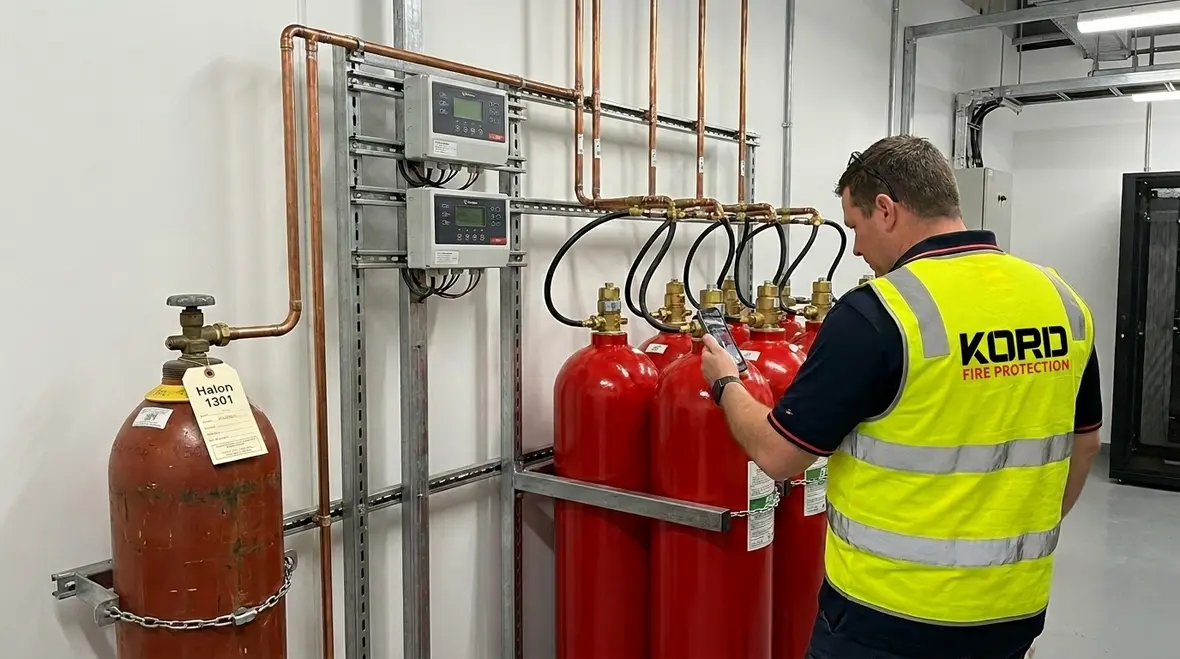
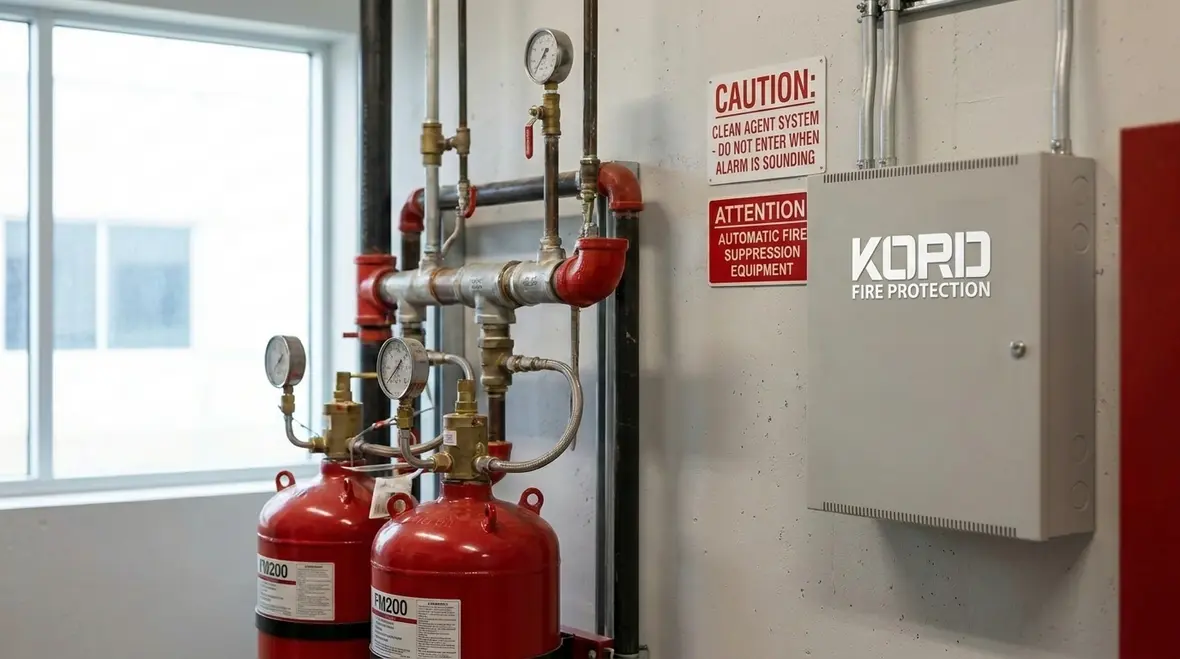
Halon 1301 earned its reputation because it suppressed flames quickly and left little residue. In many facilities, that made it ideal for computer rooms, turbine spaces, telecommunication areas, and other high value zones. However, regulators tightened the rules because Halon contributes to ozone depletion and now faces phase out pathways.
As a result, fire protection teams no longer treat Halon 1301 as a “set it and forget it” option. Instead, they plan for end of life, availability of recharge banks, and compliance with current standards and environmental limits. That shift can feel like changing the tires while driving, but with proper planning the ride stays steady.
Why legacy systems create new planning pressure
The challenge is not only that Halon is old. It is that the rest of the building may have changed around it. Room layouts shift, penetrations get added, HVAC gets upgraded, and equipment values climb. A system designed years ago may still look fine on paper while quietly drifting away from present day operating conditions. That is why replacement planning has become less about nostalgia for a proven agent and more about confirming how the protected space behaves right now.
What replaced Halon 1301 in clean agent systems
When sites explore a halon 1301 replacement, they usually look at systems that control fire without leaving messy cleanup. Yet “clean” does not mean “magic.” Each option changes how the system performs, how it is commissioned, and how it protects people and assets.
Common replacements and modern approaches include:
- Inert gas systems: These rely on reducing oxygen concentration. They suit many hazards, especially where agent compatibility matters.
- HFC based clean agents: These extinguish fires by chemical action, often with lower oxygen impact than inert solutions.
- Water mist systems: In some occupancies, engineered mist can control heat and flames, though it may not match Halon performance for every enclosed risk.
Then there is the practical side: the system layout. Modern clean agent systems may need different pipe sizing, nozzle selection, storage bank sizing, and detection logic. Therefore, a facility cannot simply swap a cylinder and call it done. The design must match the hazard, volume, leakage rate, and target extinguishing performance.
Comparing clean agent options without oversimplifying the choice
This is where a lot of projects go sideways. Decision makers sometimes hear one agent is the “best” and assume the conversation is over. In reality, the best option depends on enclosure integrity, occupied versus unoccupied space, discharge time, stored quantity, future servicing, and the type of equipment being protected. A good replacement strategy does not chase buzzwords. It lines up the agent with the risk, the room, and the way the site actually operates day to day.
How modern clean agents handle risk, discharge, and detection
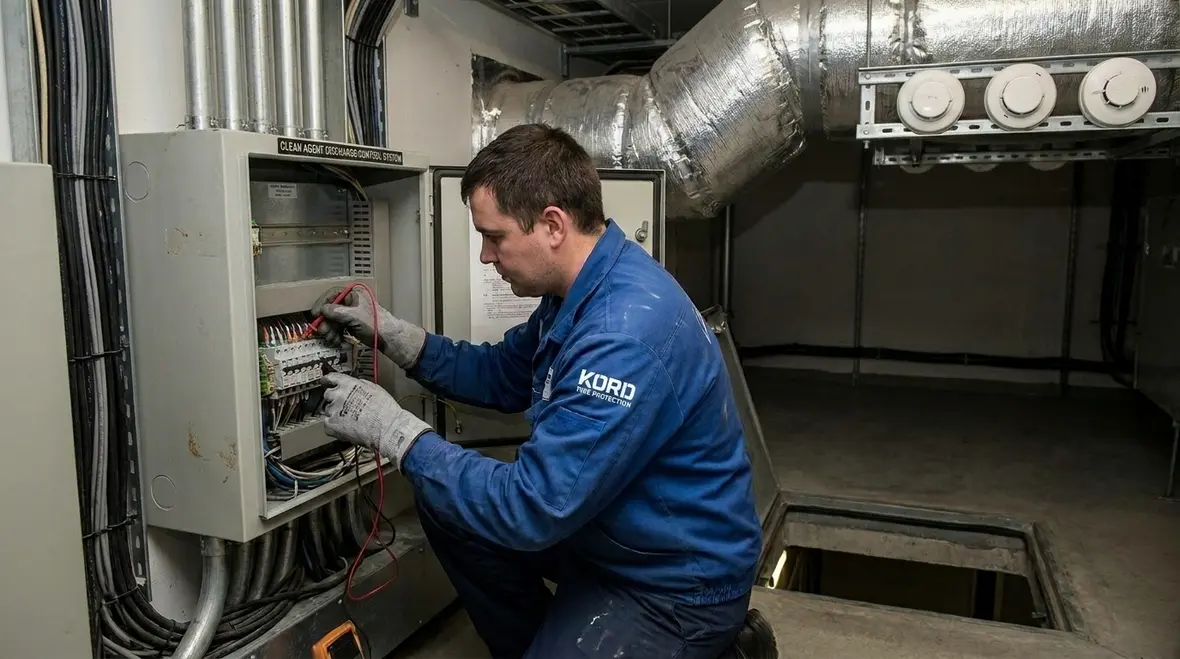
A well designed clean agent system does more than release an extinguishing medium. It coordinates detection, warning, airflow controls, and discharge sequencing so the right conditions occur at the right time. Without that coordination, even the best agent can underperform.
Modern systems typically include:
- Fire detection aligned to the hazard type, ceiling height, and airflow patterns
- Alarm and pre discharge delays that give occupants time to evacuate
- Door and damper control where required to control leakage and flow paths
- Discharge calculations that account for enclosure volume and loss rates
Transition matters here. For example, if a facility upgrades detection from older technologies to newer addressable systems, the logic may change. Additionally, HVAC changes can affect stratification and agent distribution. Consequently, commissioning becomes as important as design.
And yes, commissioning sometimes feels like herding cats in a server room. But when done right, it removes surprises during inspections and real emergencies.
Commissioning is where the theory meets the real room
On paper, a replacement system can look flawless. In the room itself, tiny details matter. A cable penetration left unsealed, a door closer that no longer closes properly, or a fan control sequence that activates at the wrong time can undermine performance. That is why proper commissioning, verification, and clear records are essential. They confirm the system is not just installed, but ready to protect the space it was designed for.
Compliance and planning for facilities across Australia
In Australia, industrial, retail, and commercial sites often run on deadlines that do not care about the calendar. Shutdown windows come, teams rotate, and equipment changes. So the upgrade path must match operational reality while meeting regulatory expectations.
A strong plan usually includes:
- Hazard review: confirm protected area boundaries, occupancy changes, and ignition sources
- Enclosure integrity checks: leakage, door seals, and penetration sealing
- Agent selection analysis: compare oxygen impact, residue, and compatibility with assets
- System performance verification: pressure testing, flow verification, and discharge tests where suitable
- Maintenance and training updates: ensure staff understand alarm sequences and reset procedures
As regulations evolve, the smartest approach does not wait for an audit. Instead, facilities map out timelines for the halon 1301 replacement transition, budget for system updates, and schedule commissioning early. That reduces downtime, prevents last minute engineering, and protects business continuity.
Planning early avoids the ugly last minute scramble
Nobody wants a project driven by panic, especially when protected assets are critical to production, data, or customer operations. Early planning gives facilities room to review existing drawings, inspect enclosure condition, coordinate trades, and stage works around real shutdown windows. It also helps procurement, internal approvals, and service continuity line up before the old system becomes a bigger operational headache than anyone expected.
Choosing the right upgrade path for industrial, retail, and commercial risks
Not every site needs the same replacement. A data rich retail distribution centre faces different needs than a machining plant or a commercial office suite with sensitive electrical gear. Therefore, the selection process must link suppression goals to real world constraints.
In industrial environments, factors often include:
- Dust, ventilation, and enclosure leakage
- Hot work and ignition controls
- Asset sensitivity, including electronics and control systems
For retail and commercial facilities, the focus often shifts toward:
- Occupant load and evacuation capability
- Compartmentation and accessibility for maintenance
- Downtime limits during upgrades
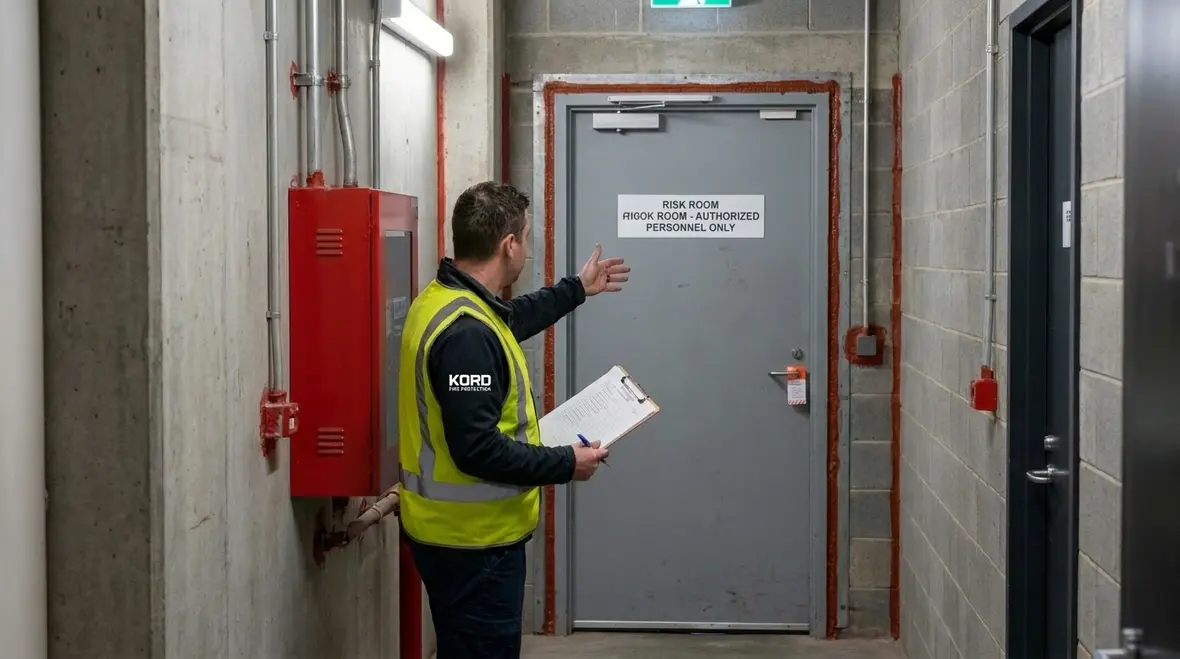
Then there is the human factor. If people do not understand how the system behaves, they treat alarms like background noise. So any upgrade must include training, signage, and clear operating procedures. Otherwise, the system becomes the world’s most expensive smoke alarm, and nobody wants that headline.
A replacement has to suit both assets and people
Sensitive equipment may be the reason a clean agent system is chosen, but people still shape the final design. Occupant warning, evacuation timing, access for maintenance staff, and practical reset procedures all matter. A system that protects equipment but confuses the people responsible for it is not a complete solution. Good design keeps both technical performance and human response in view from start to finish.

Why Kord Fire Protection should be the partner for your Halon transition
Upgrading from legacy Halon often feels like a project that lives in multiple worlds at once: engineering, compliance, and operations. That is where our team at Kord Fire Protection becomes a vital partner. They help facilities plan the transition from legacy systems to modern clean agent approaches with practical steps that respect site schedules across Australia.
Our approach focuses on more than installation. It includes system assessment, upgrade planning, commissioning support, and ongoing service readiness so your team stays confident long after the handover. In other words, our company helps you avoid the “we installed it, but now what” situation.
When facilities select Kord Fire Protection, they gain a partner that understands industrial and commercial risk and supports the full lifecycle, not just the day the cylinders get swapped.
FAQ
Next steps to protect people and assets with confidence
Replacing Halon is not just a compliance task. It is a safety upgrade that demands correct design, tight commissioning, and clear maintenance planning. Kord Fire Protection can help facilities across Australia assess legacy systems, select a suitable clean agent approach, and support the transition through handover and ongoing service. If your site still carries legacy Halon risk, reach out now to start a focused plan that fits your schedule and protects your operation.