AS 2419 Fire Pump and Hydrant Performance Guide, Kord Fire Protection
Quick Answer: AS 2419 sets the expectations for fire pump and hydrant performance, so systems deliver the right pressure and flow when it matters. By following the guide, facilities reduce failures, pass compliance checks, and protect people and assets. Kord Fire Protection can manage testing, reporting, and ongoing service as a steady partner.
When a fire starts, the building does not have time for guesswork. AS 2419 Fire Pump and Hydrant Performance Guide steps in with clear performance goals so systems deliver dependable water supplies under stress. Our team at Kord Fire Protection helps industrial, retail, and commercial sites across Australia apply those goals in the real world. That means practical testing, correct adjustments, and maintenance that does not wait until something smokes.
And yes, the fire system is not the place to “wing it.” Even if it feels like a pop quiz you never studied for, compliance is better than panic, every single time.
For facilities looking to keep the whole protection setup aligned instead of treating each component like a separate headache, Kord Fire Protection provides broader fire protection services that fit naturally alongside pump and hydrant performance work. That matters because compliance is rarely just one device, one test, or one lucky day.
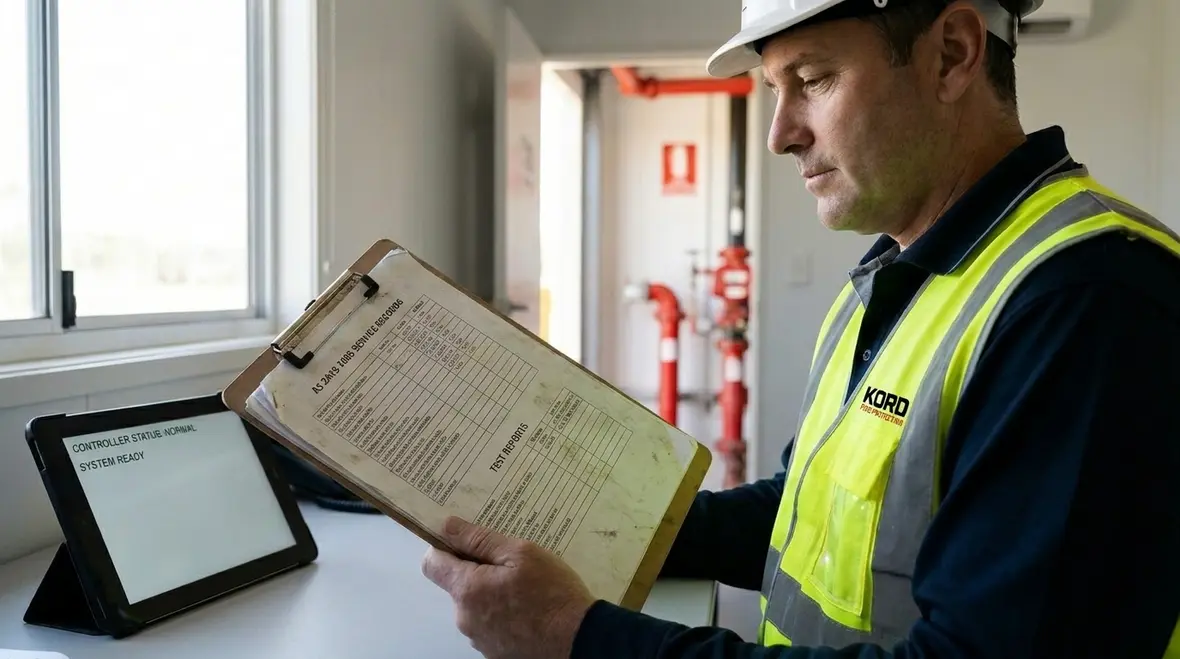
What AS 2419 actually demands of fire pumps and hydrants
AS 2419 focuses on outcomes: the pump and hydrant system must produce the required flow and pressure so firefighting efforts can work. Instead of treating performance as a vague promise, the standard pushes sites to prove the system can deliver during demand, not just during calm days with no alarms and plenty of coffee.
In practical terms, AS 2419 expectations typically cover how a system behaves during operation, including startup, pressure maintenance, and the ability to sustain flow. Therefore, facilities need to consider the full chain, not only the pump.
Kord Fire Protection supports this by helping clients connect documentation, testing methods, and maintenance plans to the standard’s performance intent. When the right checks align with the equipment reality on site, the chance of “it looked fine on paper” drops dramatically.
Why performance proof matters more than assumptions
A pump room can look tidy, gauges can sit where everyone expects, and maintenance logs can appear reassuring, yet none of that guarantees the system will deliver what responders need during an actual emergency. Real performance comes from evidence. Pressure must hold. Flow must sustain. The network must behave as a system rather than as a collection of parts that all seem confident until they are asked to do something difficult.
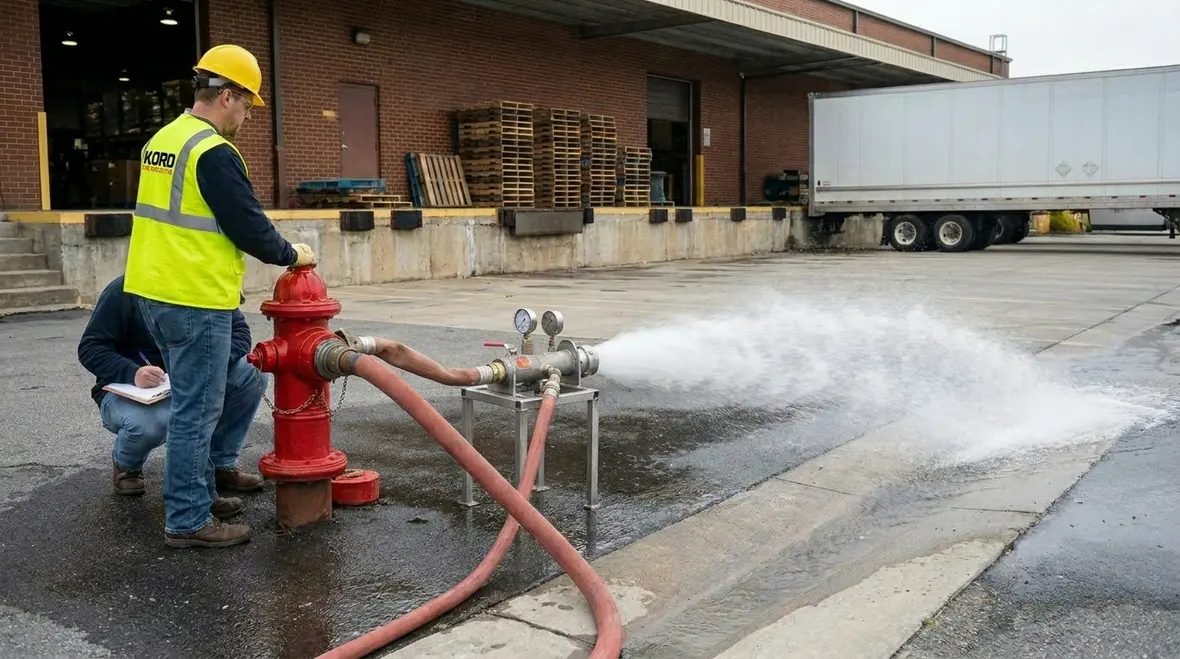
How to assess pump performance under real demand
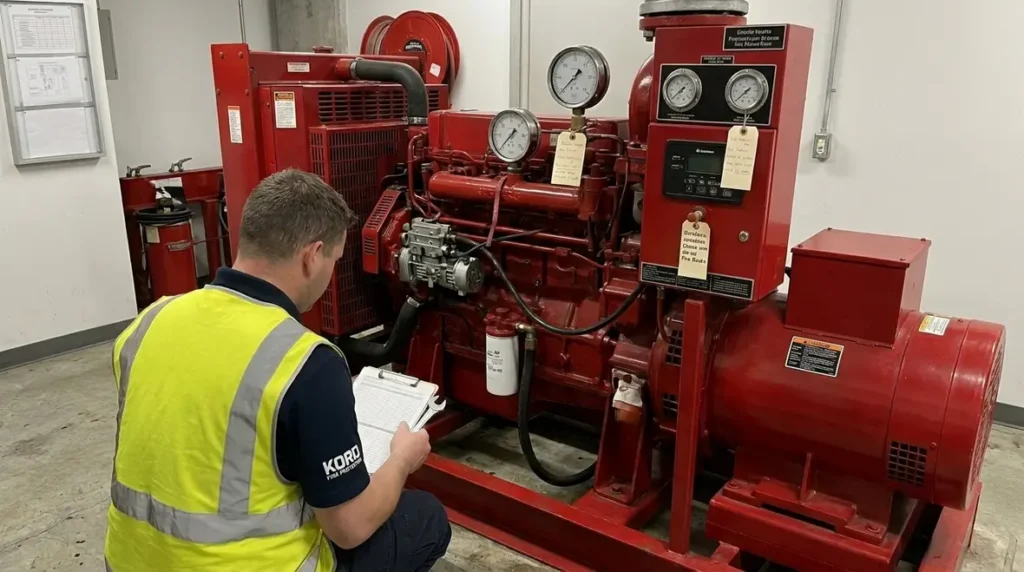
Fire pumps must do more than spin. They must respond quickly, maintain pressure, and deliver flow at the needed conditions. For many facilities, the tricky part is that actual demand and system friction can reveal issues that routine inspections might miss.
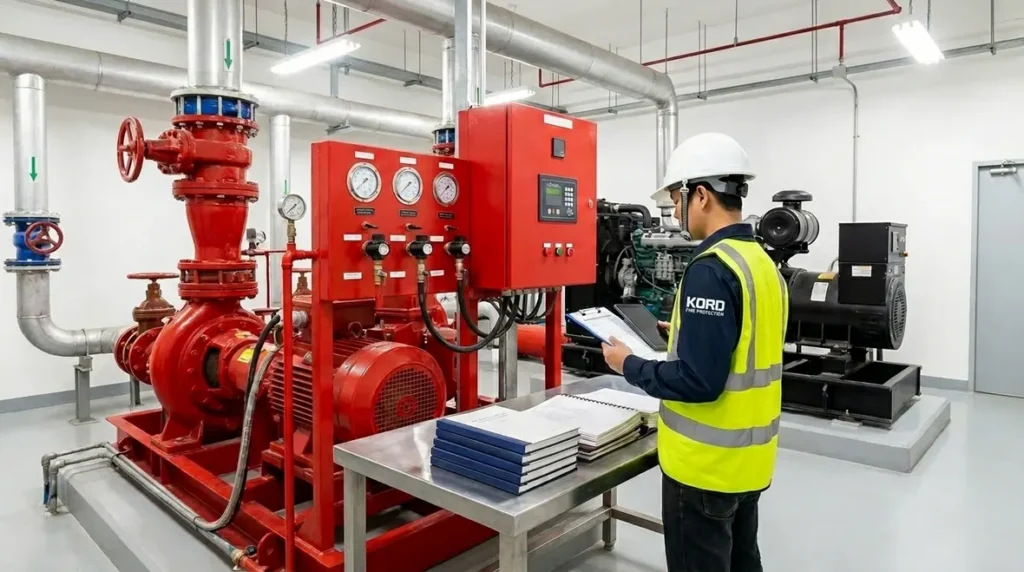
To assess pump performance properly, a team should verify pump curves and operating points, confirm duty and standby arrangements, and check that controllers behave as expected. Next, they should review suction conditions, because cavitation risk and poor suction can quietly ruin performance long before someone notices.
Additionally, the hydrant network, pipe sizes, valves, and fittings all influence the system’s ability to meet pressure and flow targets. Consequently, performance assessment must treat the pump and hydrants as one system, not two separate items that just happen to share a wall.
Our work at Kord Fire Protection often starts with a focused site review and then moves to measurement and evidence based testing. That approach keeps changes controlled and makes reporting easier for asset owners, safety managers, and compliance teams. Basically, it turns uncertainty into facts, and facts into fewer sleepless nights.
What a realistic site review should include
A useful review does not stop at whether the pump starts on cue. It should look at controller history, recent repairs, valve positions, signs of pressure fluctuation, suction reliability, and any changes to the building or site that could have altered hydraulic behaviour. Even minor modifications can shift performance enough to matter. That is why careful testing is less about drama and more about catching small problems before they graduate into very expensive confidence issues.
Hydrant performance checks that keep systems dependable
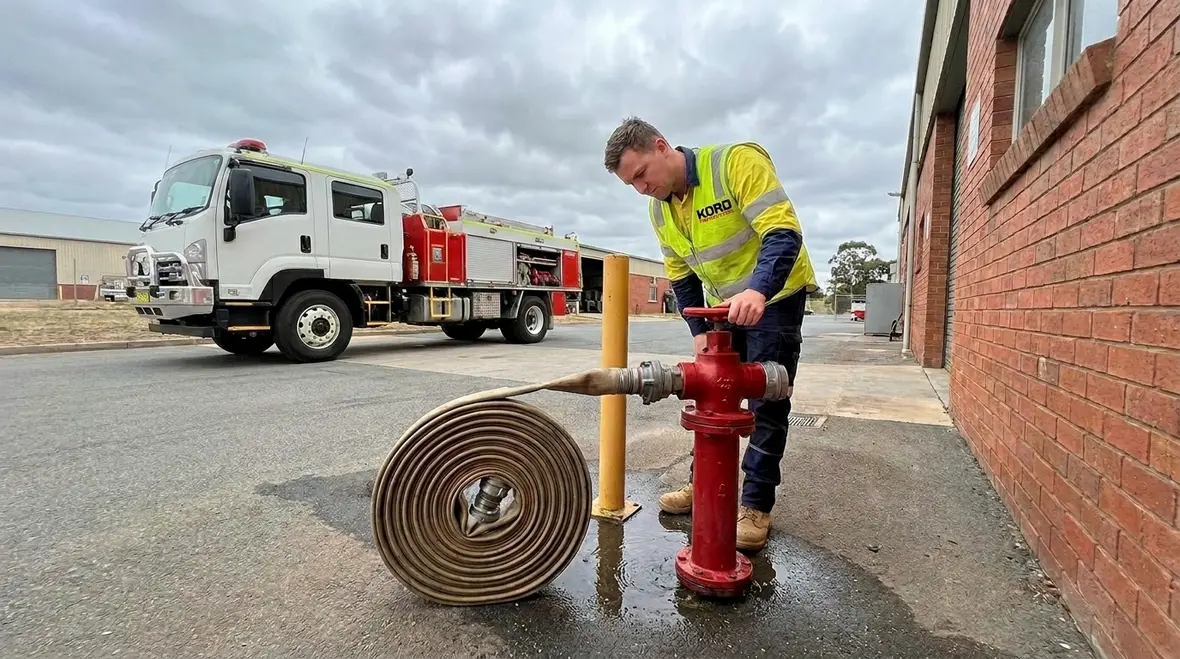
Hydrants must deliver usable water at the required pressure and flow. However, they can suffer from issues such as blockage, valve wear, incorrect setup, damaged outlets, or water supply inconsistencies. Over time, these problems do not always announce themselves with dramatic failures. Instead, they show up as reduced flow or unstable pressure when an incident demands full performance.
Proper checks should therefore include hydrant flow testing methods, valve operation verification, and inspection of components that affect discharge quality. Meanwhile, teams should verify that signage, accessibility, and hose connections support effective use by trained responders.
For commercial and retail complexes, the added challenge is that site operations keep running. So a practical program schedules work to minimise disruption while still collecting the right data. Kord Fire Protection can coordinate testing windows around trade, loading bays, and peak customer times, because nothing says “customer experience” like shutting down the whole precinct.
Operational details that often get overlooked
Dependable hydrant performance is not only about water moving through pipework. It also depends on whether responders can reach the point quickly, connect without fighting damaged fittings, read the signage, and trust that the discharge will be usable rather than erratic. Those seemingly ordinary details are exactly the kind that become painfully important the moment conditions are no longer ordinary.
Common issues found during compliance testing
Even well maintained fire systems can drift away from expected performance. Springs lose tension. Valves stick. Controllers interpret signals differently after component changes. And pipes do not get younger, they only get more opinionated.
During the sort of testing that aligns with AS 2419 performance intent, teams often find issues in these areas:
- Pump control settings that no longer match actual system behaviour after maintenance or modifications
- Suction and supply conditions that create instability, especially where future works have altered flow patterns
- Valve condition and alignment that restrict flow or introduce pressure loss
- Hydrant outlet and hose connection wear that impacts usable discharge quality
- Documentation gaps where previous test evidence cannot be linked to current equipment status
Once those issues appear, fixes should follow a clear logic: identify root cause, correct the condition, and then retest to confirm performance. That loop is what turns a compliance exercise into true risk reduction.
Our company, Kord Fire Protection, helps facilities close those gaps by managing the cycle from inspection to corrective action to repeat testing. As a result, sites gain stronger assurance that their firefighting water supply will behave as intended.
Why documentation can make or break an audit
A system can perform reasonably well and still create audit trouble if the evidence trail is weak. Reports that do not match current equipment, unclear records of adjustments, missing diagrams, or scattered maintenance notes can all slow decision making and create unnecessary doubt. Good documentation is not glamorous, but it is often the difference between a straightforward review and a long afternoon of everyone searching through folders while pretending they know exactly where the last test report went.
Building a maintenance plan that actually survives the next audit
A maintenance program should do more than tick boxes. It should produce consistent evidence, keep equipment within target performance, and support rapid troubleshooting. Therefore, a plan should define what to test, when to test it, and what outcomes trigger corrective action.
For many facilities across Australia, the key is creating a schedule that balances risk and operations. Industrial sites may require more frequent checks due to heavier use, harsh conditions, or ongoing plant modifications. Retail and commercial buildings may prioritise hydrant accessibility and quick verification cycles to reduce service impact.
Kord Fire Protection supports clients with structured service that includes:
- Test planning that fits around site activity and access
- Performance reporting that helps stakeholders understand actual risk, not just results
- Maintenance scheduling aligned to equipment condition and system behaviour
- Record management so audits do not become scavenger hunts
In other words, the goal is simple: fewer surprises, clearer accountability, and a system that performs when the fire alarm turns from sound into urgency.
Turning service intervals into something useful
The best maintenance plans are not bloated documents built to impress a shelf. They are practical schedules that tell people what to check, what to measure, how to record it, and what to do next if results drift. That kind of structure helps managers, contractors, and compliance teams work from the same page instead of relying on memory, habit, or hopeful nodding.
Featured FAQ on fire pump and hydrant performance
Need help bringing your system in line with performance expectations?
Fire pump and hydrant performance should be proven, not guessed. Kord Fire Protection works with industrial, retail, and commercial facilities across Australia to plan testing, capture performance evidence, and maintain systems so they operate when it counts. If your team wants fewer surprises at audit time and more confidence during an incident, contact Kord Fire Protection for a tailored assessment and service program today. No smoke, just solutions.