Fire Alarm System and Fire Detection System in Australia
Quick answer: A fire alarm system watches for smoke, heat, and flame and then signals people and building systems. It helps protect lives by triggering alerts, guiding evacuation, and coordinating actions like door releases and ventilation control. In short, it provides fast warning and smart response, not just a loud sound.
In many facilities across Australia, kord fire protection supports safer operations by installing, upgrading, and maintaining a reliable fire detection system that catches trouble early. In the first moments of a fire, seconds matter. And while smoke alarms in homes often get all the credit, commercial buildings need something far more dependable, planned, and monitored. That is where a fire alarm system steps in, quietly working in the background, ready to act before problems grow legs and start running.
Facilities reviewing broader protection strategies often pair detection planning with fire alarm systems support so alerts, interfaces, and response actions all work together instead of behaving like distant cousins at a family barbecue.

What a fire alarm system does inside a facility
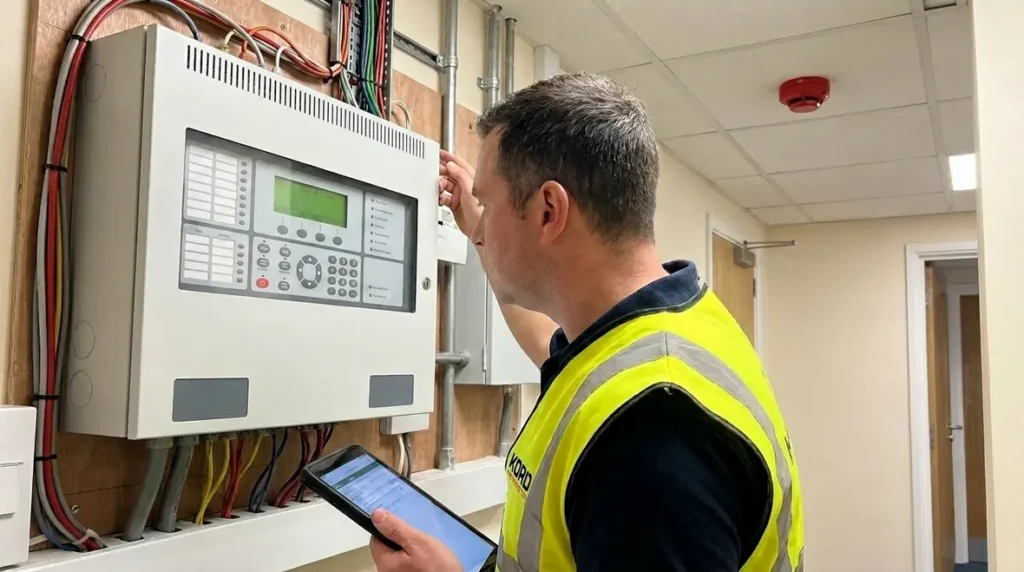
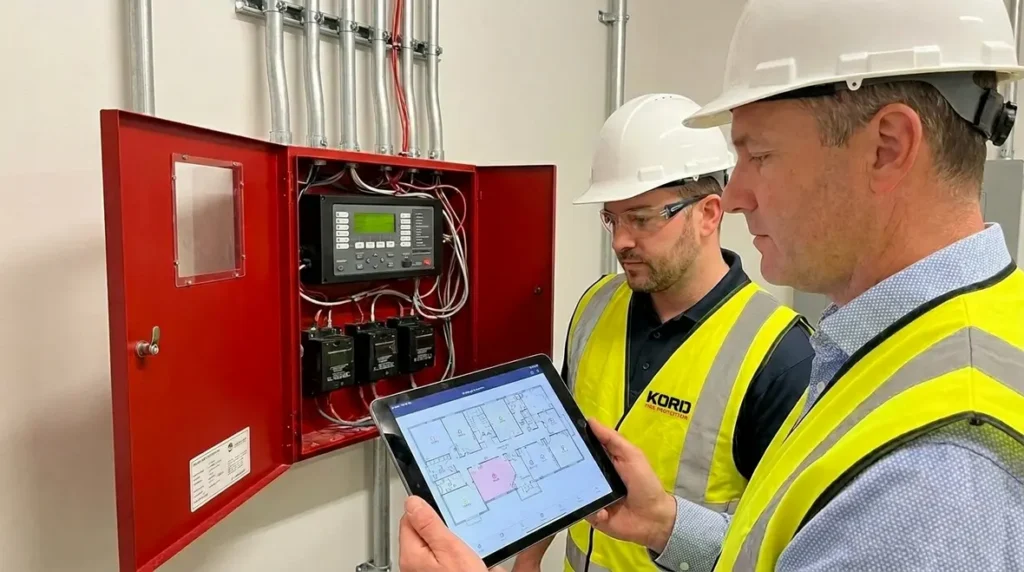
A fire alarm system protects a building by detecting abnormal conditions and then responding with clear, coordinated actions. Instead of guessing, it uses trained devices and engineered layouts. Typically, it relies on a network of detectors, manual call points, control panels, and sounders. When the fire detection system identifies smoke or heat patterns that match alarm criteria, it sends an alert to the control panel.
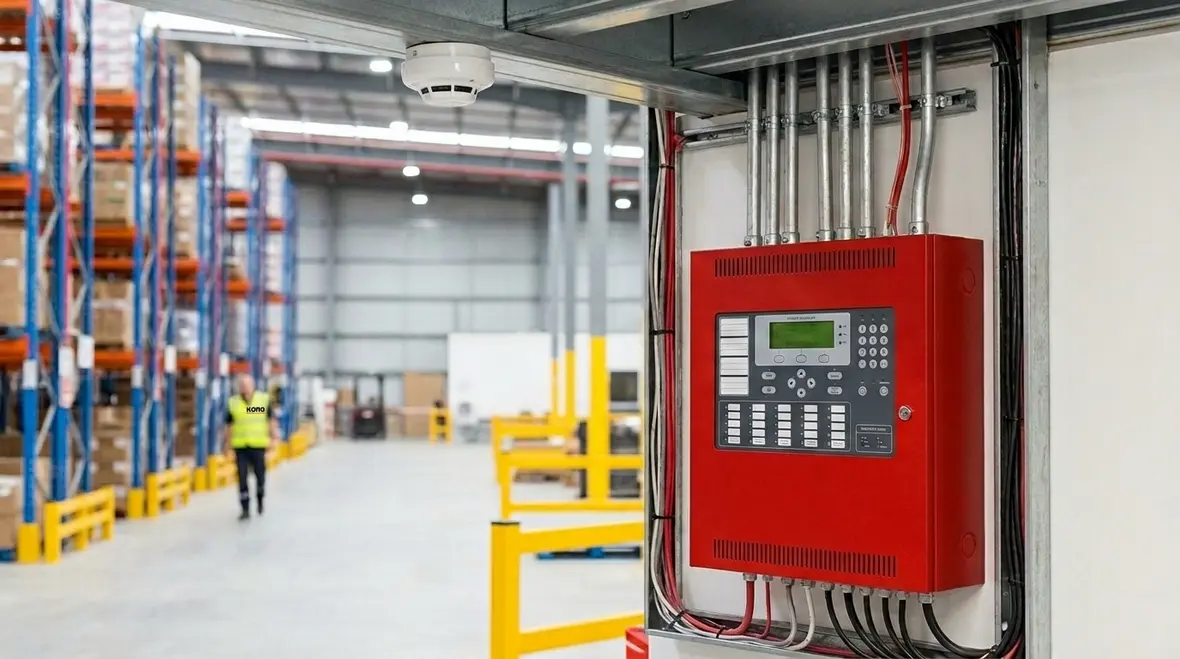
From there, the system can activate evacuation alarms, unlock safe routes where allowed, and trigger other building responses. For industrial and retail sites, this often matters because hazards vary by area. A warehouse bay behaves differently than a tenancy workshop. Meanwhile, plant rooms, kitchens, and loading docks can create false alarms if the design and settings are careless. Therefore, a well-planned system protects while also reducing nuisance alarms, which people tend to ignore once they get tired. Nobody wants “the boy who cried alarm” in a compliance meeting.
Why coordination matters more than noise
A modern system does much more than make a racket. It becomes the communication point between detection devices, occupants, and building functions. That means the real value is not just the alarm tone itself, but the speed and order of the response that follows. In facilities with multiple tenancies, after-hours access, or mixed use zones, that coordination helps people act faster and with less confusion.
When the system is designed properly, staff do not have to waste precious time guessing whether an alert is minor, localised, or site wide. The panel logic, zoning, and notification methods help create clarity. That clarity is a big deal because emergencies already bring enough drama without the building adding improv theatre.
How the system detects fire and reduces false alarms
Detection matters because buildings do not burn like textbooks. Airflow, racking height, humidity, dust, and temperature swings can all change what a sensor sees. Consequently, designers choose detectors based on the risk profile of each space and the way the fire would likely grow there.
Common detection methods include smoke detection, heat detection, and flame detection. Smoke sensors react to visible and sometimes invisible smoke particles. Heat sensors respond when temperatures rise faster than normal or exceed set thresholds. Flame detectors can identify the specific patterns of flames. In commercial sites, this layered approach supports coverage without making the system jump at every toaster incident.
Equally important, the system uses zoning and device placement rules so signals remain meaningful. Then, the panel interprets the signals to decide whether to raise an alarm immediately or initiate investigation steps. That means the fire detection system is not just collecting data. It is applying logic so the response matches the situation.
Our team at kord fire protection helps organisations keep detection aligned with how the site actually operates. As production lines change, storage layouts shift, and retail fits out evolve, detection strategies should evolve too.
Smart placement beats generic coverage
The right detector in the wrong spot can still cause problems. Dusty service corridors, humid washdown areas, and fast moving air near roller doors may all interfere with reliable performance if devices are placed with a copy-and-paste mindset. Good layouts account for the building’s actual behaviour, not just the drawing set that looked tidy in the office.
That is also why regular reviews matter. A site that was perfectly suited to one detection layout two years ago can become a nuisance alarm factory after new shelving, process changes, or fitout works. The system should keep up with the building, because fires are rude enough already without outdated layouts helping them along.
What happens after the alarm triggers
Once the system reaches alarm state, it must communicate fast and clearly. This includes audible alarms, visual alarms, and sometimes voice evacuation systems. However, communication alone is not the goal. The system should also control building functions in the correct sequence.
For example, a well designed panel can coordinate with fire doors or smoke control systems where approved. It can also send signals to monitoring services or paging platforms, so the right people respond without delay. In industrial and facilities environments, that can include night staff, site supervisors, or on-call contractors.
Additionally, alarm signalling must remain consistent with emergency plans. If evacuation routes change, signage and door releases should follow. If staff training lags behind upgrades, the alarm becomes a noise machine. Therefore, a fire alarm system works best when it fits the site’s procedures, not when it fights them.
Response only works when people understand it
Even the best panel logic cannot compensate for confused occupants or outdated emergency procedures. Staff need to know what different alarm states mean, who investigates faults, and how evacuation responsibilities are assigned. If a system changes but the training does not, the building may be technically upgraded while everyone inside remains stuck on the old playbook.
Where compliance and real protection meet
A fire alarm system supports compliance, but it should never be treated like a box-ticking exercise. In commercial settings across Australia, the system design and installation must align with relevant standards, local requirements, and site-specific risks. Inspecting, testing, and maintaining the system ensures it still performs as intended, especially as the building ages.
Maintenance often includes battery checks, detector sensitivity verification, cleaning where needed, and reviewing alarm logs. It also includes testing sounders and visual devices to ensure they remain audible and visible across the building. After all, a system that detects a problem but fails to warn people effectively is like a smoke detector with a megaphone that only works underwater. Not helpful.
kord fire protection positions itself as a partner because compliance is ongoing, not seasonal. Organisations rely on dependable performance, and performance requires consistent service. When our team supports inspections and remedial work, we help reduce risk, protect asset continuity, and support smoother audits.
Maintenance keeps confidence grounded in reality
It is easy for a facility to assume everything is fine because the building looks calm and the panel is quiet. But silent systems can still have faults, contamination, ageing batteries, or devices nearing the edge of acceptable performance. Routine servicing turns assumptions into evidence, and that matters when risk, people, and operations are all on the line.
Why industrial and retail sites need tailored system design
Industrial and retail buildings rarely share the same hazards, and that is why generic systems often disappoint. In warehouses, high ceilings and racking change airflow patterns. In manufacturing bays, hot work can create temporary smoke and heat signatures. In retail, kitchens, fitting rooms, and electrical loads introduce different risks, often in smaller volumes but with faster occupancy changes.
Then there are operational realities. Loading docks open frequently. Storage expands. Temporary structures appear during fitouts. If the fire detection system does not get updated, it may miss new risks or trigger nuisance alarms due to new obstructions and airflow changes.
For these reasons, effective protection uses zoning, correct detector type selection, and thoughtful placement. It also uses commissioning and documentation so that staff can understand the system behaviour. When the system matches the building’s actual patterns, it responds correctly under stress.
Our company, kord fire protection, helps organisations across multiple facets of industry and retail by aligning system design, service schedules, and practical site knowledge. That means fewer surprises during emergencies and less disruption during maintenance.
Making the system stronger with service partnerships
A fire alarm system is only as dependable as the people who support it. That is why a service partnership matters. A short term callout may fix one issue, but a long term program can prevent the next one. Therefore, a strong partner helps track changes, interpret test results, plan upgrades, and keep documentation ready.
In busy environments, downtime costs money. So, the best service approach reduces disruption while maintaining performance. It also coordinates with site operations so testing happens when the building can safely support it.
kord fire protection can become a vital partner by providing consistent attention to the system’s health, including ongoing inspection support and practical recommendations based on observed conditions. In other words, the building does not just “have” a system. It benefits from one that keeps working the way it was designed to work.
Long term support reduces short term chaos
Reliable service partnerships also improve planning. Instead of reacting to faults one by one, facilities can schedule upgrades, budget for ageing components, and coordinate maintenance around production windows or trading hours. That makes the system easier to manage and a lot less likely to surprise everyone at the worst possible time.
FAQ
Conclusion and CTA
For industrial, retail, and commercial facilities across Australia, a fire alarm system protects by detecting early and coordinating the right response fast. However, real protection depends on design, commissioning, and ongoing service. If the building’s layout changes or compliance deadlines approach, help matters. kord fire protection can support your fire detection system and alarm performance with practical, reliable servicing. Reach out today to strengthen safety without disrupting operations.