FDCIE Fire Panel Supervision Maintenance Australia
Quick Answer (50 words)
FDCIE is a fire panel device that helps a site detect, supervise, and respond to life safety and property risks. Most building owners overlook it until something goes wrong. When managed well, it improves compliance, reduces downtime, and supports faster, smarter emergency action.
In many Australian industrial, retail, and commercial facilities, the fire panel most building owners ignore is not a mystery at all. It is the FDCIE, the piece of the system that quietly supervises critical functions long before anyone hears an alarm. Our company, Kord Fire Protection, often sees the same pattern: teams rely on the “big alarms” they can hear, but they underfund and underinspect the fire control layer that decides what happens next.
So, this article will explain what FDCIE does, why it gets neglected, and how the right partner can turn it from a liability into a controlled, reliable safety asset. And yes, if you treat a fire panel like it is a “set and forget” appliance, it will eventually treat you the same way. Only with smoke.
If you are already reviewing broader fire infrastructure, it also helps to understand how a complete fire alarm system fits around the panel, devices, and supervision pathways that keep a site responsive.
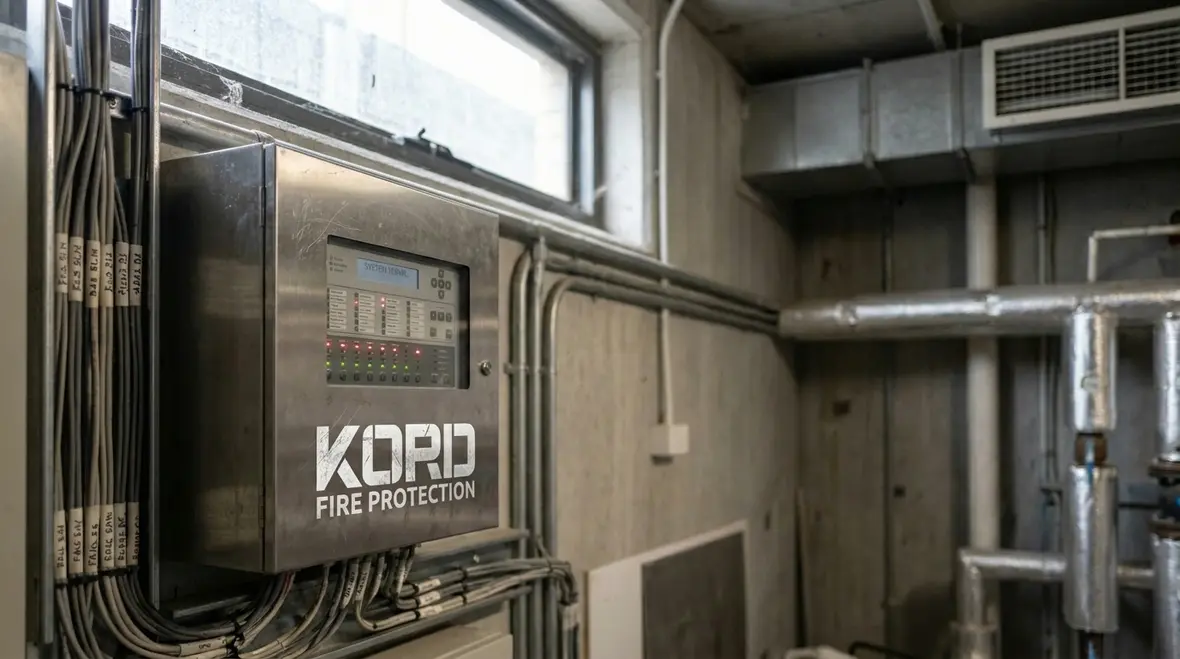
What an FDCIE does in a fire safety system
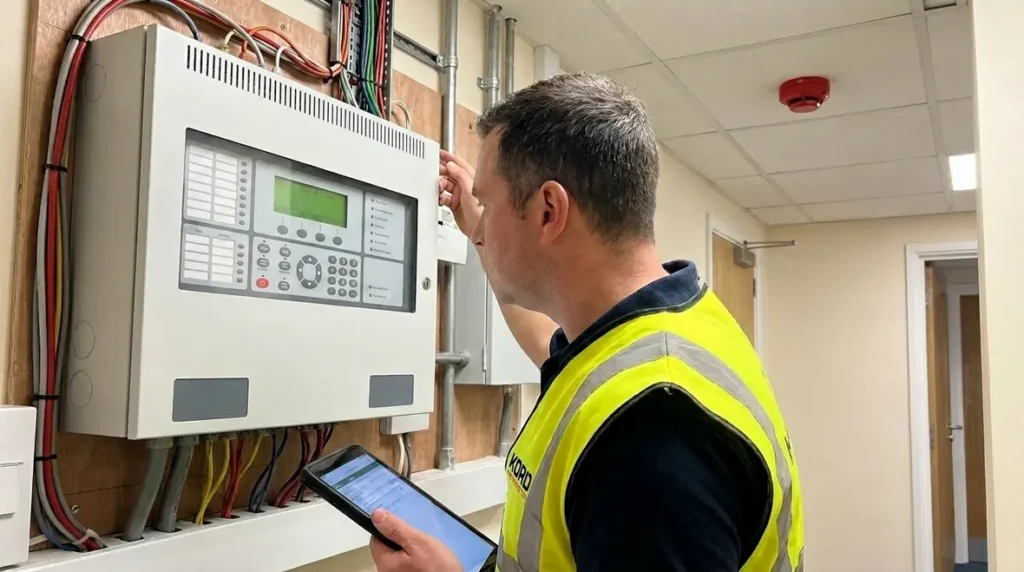
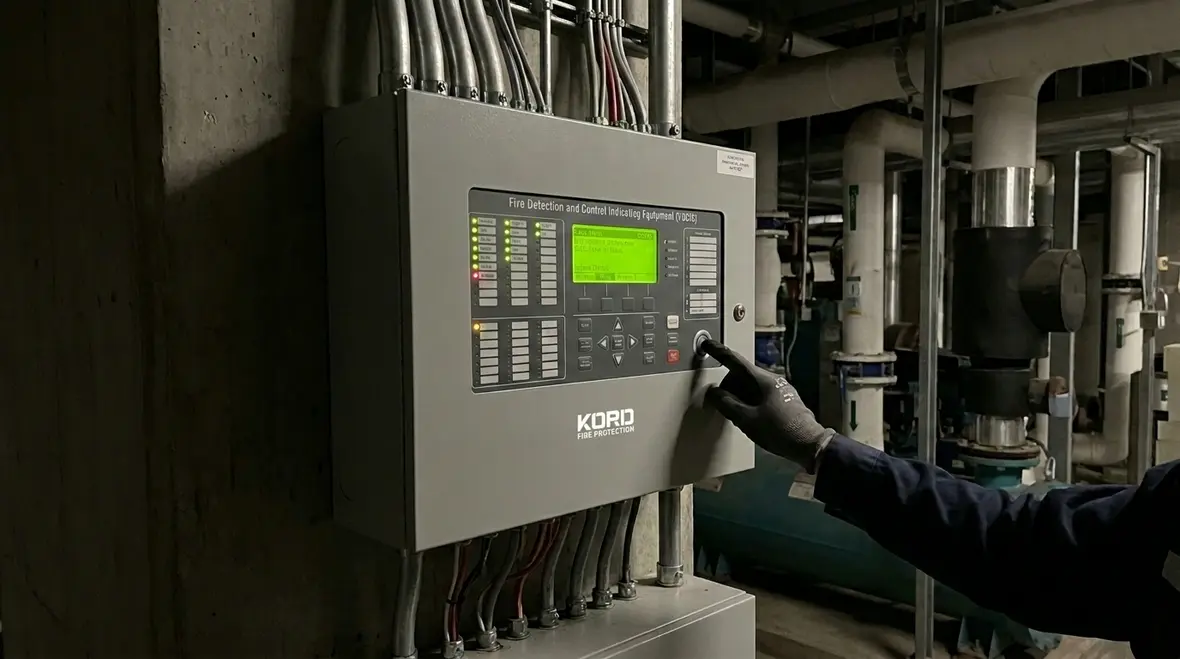
FDCIE plays a supervisory role within a larger fire detection and control setup. In plain terms, it helps manage inputs from detection devices and supports the command pathways that lead to alerting and protective actions. When it works as intended, it creates clear cause and effect, which means faster decisions during an emergency.
Most facilities already have smoke detectors, heat sensors, manual call points, and alarms. However, the wiring, supervision, and control logic that connect all that hardware matters just as much. FDCIE supports that “glue,” so the system can recognize signals, monitor zones, and help operators understand what is happening, not just that something is happening.
Because FDCIE supervises the condition of connected circuits and system health, it also impacts everyday operations. For example, if it detects a fault and handles it properly, teams can fix issues before they become nuisance events or, worse, delayed responses. In industrial and retail settings, that difference can reduce operational interruptions and keep compliance records cleaner.
Why supervision matters beyond the alarm sound
A lot of site teams understandably focus on the obvious moment, the alarm tone, the flashing device, the evacuation trigger. But the panel supervision layer is what helps the system behave with structure instead of chaos. That means the right signal reaches the right process at the right time, with fewer guesses and less scrambling from staff who are already under pressure.
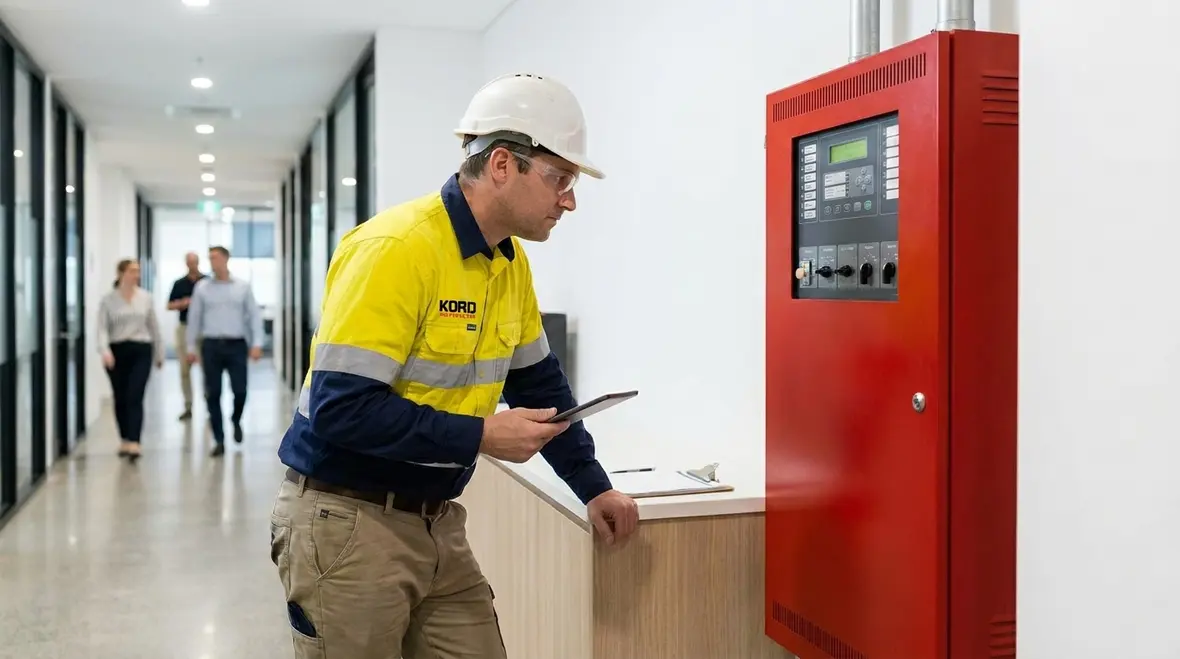
Why building owners overlook this part
Here is the uncomfortable truth: many owners focus on what they can prove during an inspection, not what they maintain between inspections. They might check documents, verify call points exist, and confirm general alarm audibility. Then they move on. Meanwhile, FDCIE and its connected supervision loops sit in the background like that one “important” folder nobody opens until the deadline screams.
- False confidence: Teams assume that because alarms sound, the control panel must be fine.
- Maintenance drift: Over time, schedules get shortened, recordkeeping becomes inconsistent, and testing becomes less detailed.
- Complexity: Some operational leaders see fire control gear as complicated and delegate it without enough oversight.
- Cost pressure: People budget for big repairs after failures, rather than preventative supervision checks that reduce failure risk.
And once a fault starts showing up as repeated messages, departments can get stuck in a loop of “clear the alarm, move on.” That habit can hide deeper causes like degraded wiring, incorrect device addresses, or settings that no longer match the site as built.
The hidden cost of “it seems fine”
That casual confidence has a way of surviving right up until the day it does not. One recurring fault becomes a monthly nuisance, then an operational annoyance, then a bigger investigation that somehow lands on everyone’s desk at once. Fire panel supervision problems rarely announce themselves politely. They just keep leaving clues until someone finally pays attention.
What can go wrong when supervision fails
Fire systems should behave predictably. When FDCIE supervision and control paths become unreliable, problems often show up in ways that cost more than money. They cost time, credibility, and safety confidence.
For example, incomplete supervision can lead to
- Unreliable zone information: Operators may struggle to narrow down the source, which slows response.
- Delayed fault recognition: A developing issue can persist until it triggers a disruptive event.
- Misleading status reports: Someone clears faults without understanding root causes, and the system never fully stabilizes.
- Higher nuisance activity: The system might respond too often, training staff to “ignore alerts,” which is the opposite of what you want.
In warehouses, plant rooms, and large retail footprints, nuisance events can interrupt picking, shut down doors, or force evacuations at the worst possible time. Meanwhile, real events still require accurate detection and clear control behaviour. So supervision reliability is not just technical neatness. It is operational resilience.
Also, Australian facilities often undergo tenancy changes, layout updates, and services modifications. If the fire system documentation and configurations lag behind, the supervisory logic can drift from the physical reality on site. That mismatch is like playing music with the wrong sheet. You might still hear something, but it will not sound right.
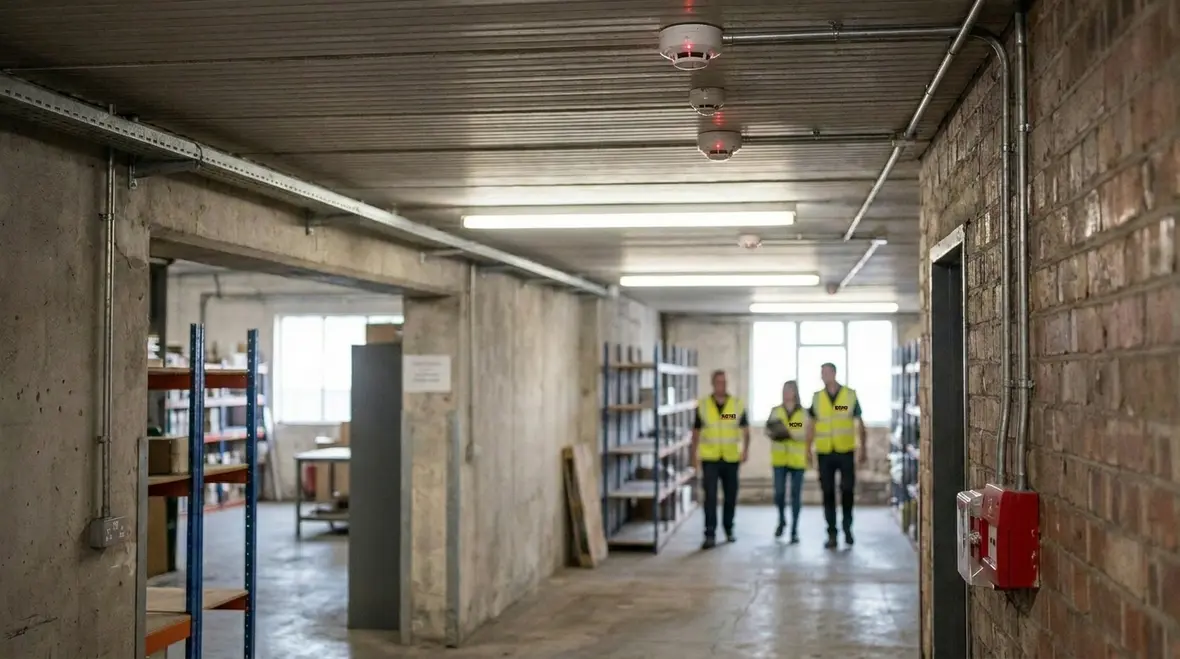
How Kord Fire Protection supports a safer fire panel lifecycle
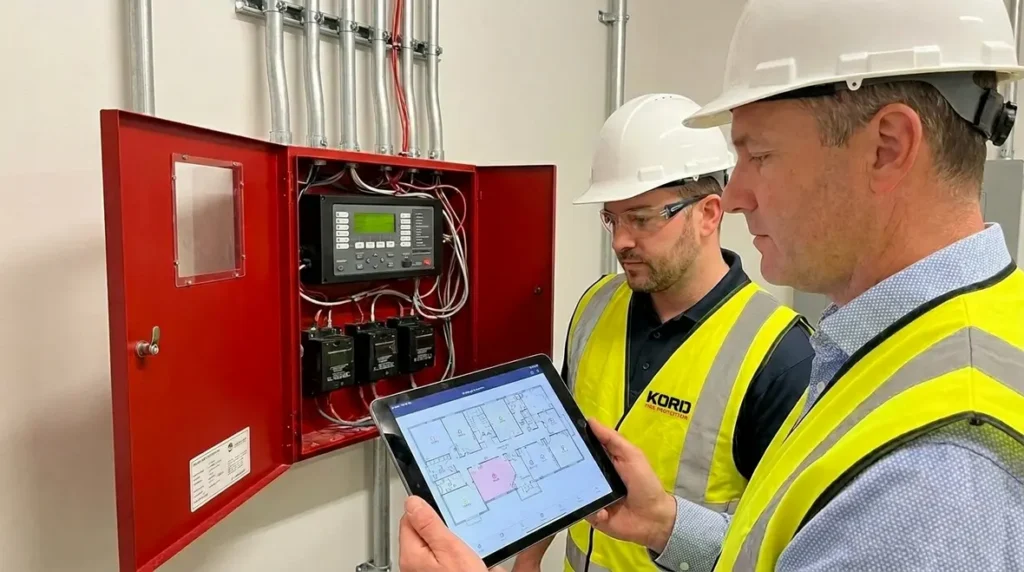
Our company, Kord Fire Protection, helps facilities treat the FDCIE as part of a managed lifecycle, not a box you check once in a while. We work with industrial, retail, and commercial sites across Australia, where fire safety must fit real operational demands.
In practice, we take a partnership approach that focuses on both compliance and continuity of operations. That means we do more than run a basic test and sign a form. We look at how the site uses the system day to day, and we help ensure it stays reliable through changes.
- Planned inspections that match the risk profile of each facility and its operating rhythm.
- Detailed functional checks that verify supervision behaviour, not just general alarm performance.
- Documentation alignment so system records stay consistent with the as built environment.
- Fault trending so recurring issues get traced to causes instead of repeatedly cleared.
- Change management guidance during upgrades, fit outs, and tenancy movements.
Because we understand that facilities do not pause for maintenance whenever it is convenient, we coordinate with site teams to keep disruption low. In other words, we bring order to the system before the system forces the issue. And unlike some pop culture villains, we do not wait until the building is on fire to “reveal the plan.”
Lifecycle thinking beats reactive patching
The real advantage of a disciplined maintenance approach is that it turns random surprises into manageable tasks. Instead of chasing the same fault every few weeks, a site can trend issues, review changes, confirm documentation, and maintain confidence that the panel still reflects the actual building. That is not glamorous, but it is very effective, which is honestly better.
What good maintenance looks like for fire control gear
Good maintenance does not just mean “scheduled.” It means consistent, evidence based, and tailored to the site. A facility should verify that FDCIE supervision remains stable, that inputs report correctly, and that the system reacts the way the design intends.
To create that outcome, teams should focus on
- Repeatable testing: Test methods stay consistent so results can be compared over time.
- Clear reporting: Findings get recorded in a way that helps operations and management make decisions.
- Root cause focus: Faults trigger investigations, not just resets.
- Site specific checks: Industrial dust, heat, and vibration can affect devices differently than in a lighter retail environment.
- Documentation discipline: Any change in zones, devices, or layout requires system records to match.
Finally, leaders should assign accountability. When maintenance becomes a vague shared responsibility, the system gets less attention than it deserves. When a facility assigns owners for records, action items, and follow up, the fire system benefits. It stops being “background noise” and becomes real safety infrastructure.

FAQ: Quick answers for featured snippets
Make FDCIE part of your safety program
FDCIE should not live in the shadows of your facility. When supervision stays healthy, fire responses become faster, clearer, and more dependable, which protects people and reduces disruption. Kord Fire Protection helps industrial, retail, and commercial teams across Australia manage the full fire panel lifecycle, including testing, documentation alignment, and fault resolution. If you want fewer surprises and stronger compliance confidence, contact Kord Fire Protection and book a review.