Fire Alarm Isolation Control for Safer Compliance
Quick Answer: Fire alarm isolation is used when a building needs part of its alarm system taken out of service for maintenance, repairs, testing, or fault correction. It must be controlled because alarms protect people and property. Without strict supervision, systems can miss signals, create false readings, or leave fire response compromised.
In many Australian industrial, retail, and commercial facilities, fire alarm isolation happens more often than people think. A valve gets serviced. A panel gets updated. A detection zone gets tested. Then, suddenly, someone says, “We need to isolate that device,” and the whole operation becomes a controlled pause in the fire protection story. That is exactly where our fire alarm isolation support begins, because it is not simply turning something off. It is managing risk with discipline, documentation, and clear communication.
In this article, third person advice and practical steps explain when isolation gets used, why it must stay controlled, how to manage it safely across busy sites, and how Kord Fire Protection helps facilities across multiple facets across Australia stay audit-ready and operational.
For facilities already reviewing broader system performance, it also helps to understand how reliable fire alarm systems fit into maintenance planning before any temporary isolation is introduced.
When fire alarm isolation gets used in facilities
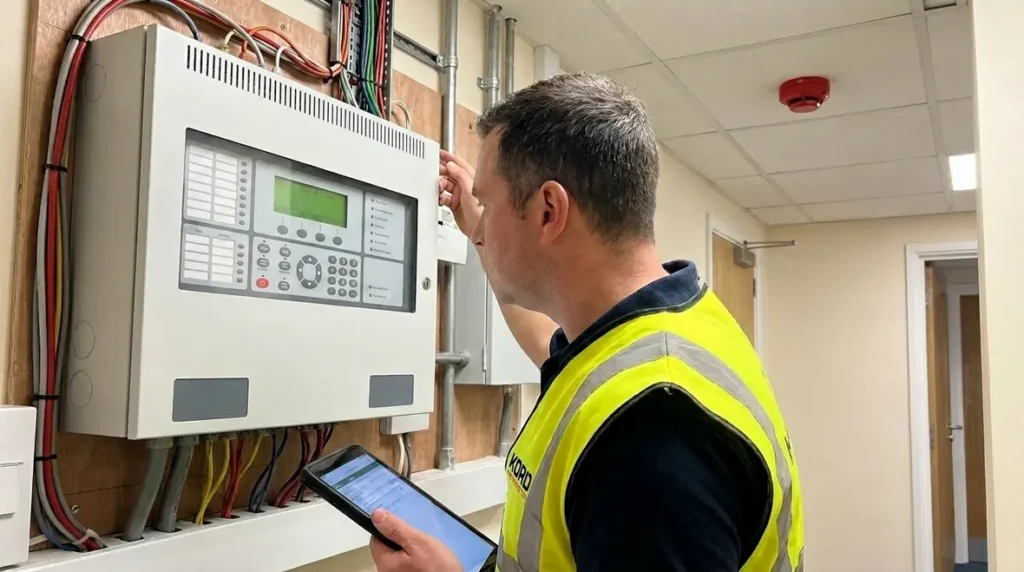
Fire alarm systems cover everything from smoke detection to call points and interfaces with fire protection equipment. Therefore, isolation usually happens when maintenance or investigations require access to circuits, zones, or equipment. For example, an electrical contractor might need to work on cable routes. A facilities team might replace devices after damage. Or the site might conduct planned testing that requires a temporary change in system behaviour.
Typical situations that require controlled isolation
- Planned maintenance on detectors, call points, sounders, or control modules
- Fault finding after tamper alarms, wiring faults, or intermittent trouble signals
- Device replacements following impact, moisture exposure, or end of life issues
- Upgrades and commissioning where parts of the system must run under specific test conditions
- Testing procedures that require temporary changes to avoid nuisance signals during business hours
And yes, sometimes it feels like the fire system is being grounded like a teenager who “just needed a quick fix.” But unlike a teenager, fire protection cannot afford guesswork. It must follow procedure, and it must return to normal service once the work ends.
This is also where internal coordination matters most. If maintenance teams, site managers, and service technicians are not speaking the same language about what is being isolated and why, the risk multiplies quickly. A small planned outage can become a messy operational blind spot if the details are vague.
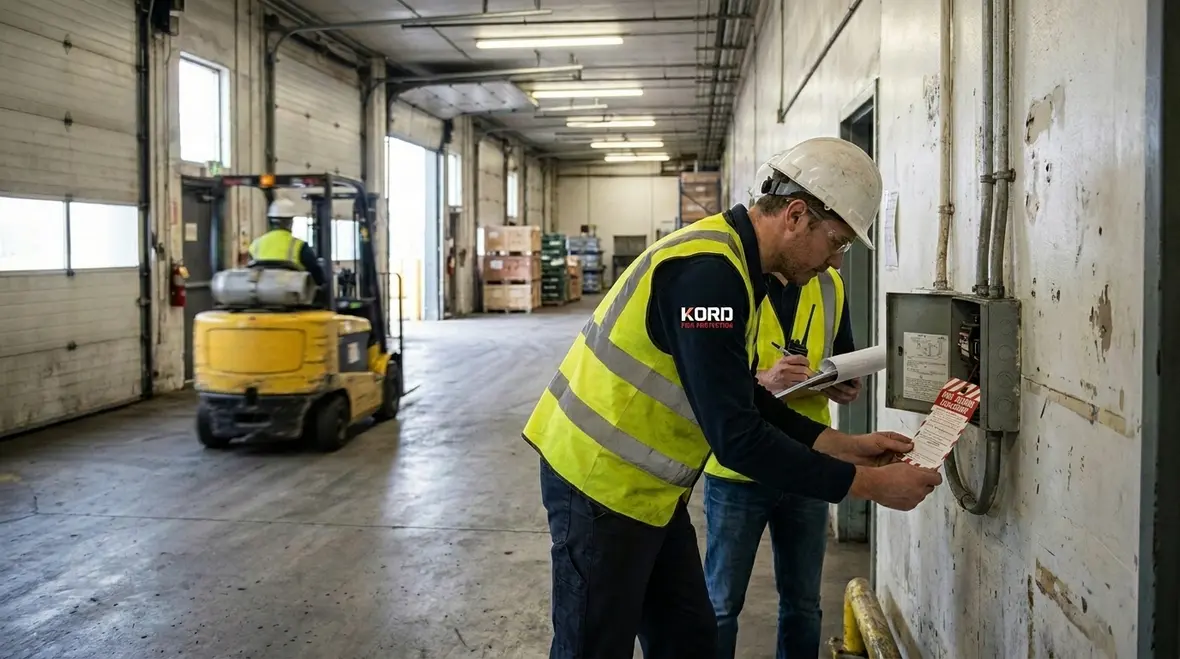
Why isolation must be tightly controlled
Isolation carries one core risk: if it is not managed well, it can reduce coverage just when someone needs it most. Even a short period of reduced protection can matter in high occupancy or high-risk environments such as warehouses, plant rooms, retail back-of-house areas, and multi-tenant commercial sites.
The four outcomes controlled isolation protects
- Maintains safety by ensuring the site still responds appropriately during the work window
- Prevents uncertainty so responders and site staff know exactly what is out of service
- Reduces non-compliance risk through correct records, labeling, and return-to-service checks
- Stops cascading failures where an initial fault becomes a bigger event due to incomplete restoration
Also, isolation must stay controlled because fire alarm systems often integrate with other building functions. For instance, certain interfaces may trigger door hold-open releases, lift recall, or plant shutdown sequences. If isolation is handled loosely, the system may behave in unexpected ways during alarms or tests.
That is why controlled isolation is not just a technical task. It is a site-wide safety decision. Once part of a system is unavailable, everyone involved needs a clear picture of what has changed, what remains active, and what backup measures are in place for the duration.
Good facilities treat isolation like a temporary risk condition, not a minor admin note. That mindset helps prevent the casual thinking that often leads to extended outages, unclear records, or half-finished reinstatement.
How sites manage isolation without disrupting operations
For industrial and commercial facilities, the challenge is timing. Operations rarely pause neatly. Forklifts keep moving. Customers still walk in. Trade contractors arrive on their own schedules. Therefore, isolation management must blend safety with real-world logistics.
A disciplined process that keeps the site moving
- Confirm the exact device or zone to be isolated, not just a broad area. Precision reduces downtime and confusion.
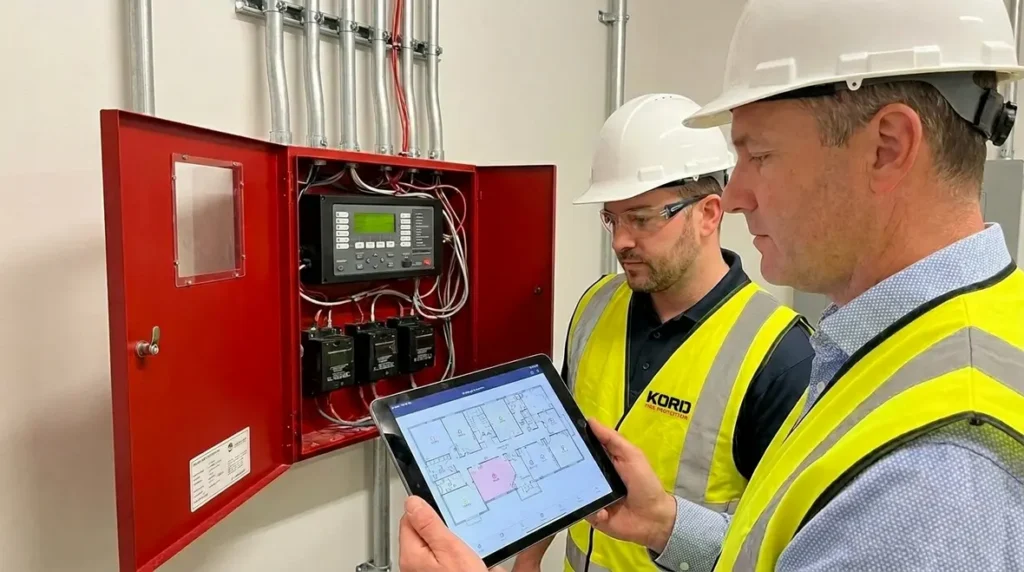
- Validate the system state before isolation, including existing faults, panel logs, and monitoring conditions.
- Plan the work window around site risk, staffing, and business continuity.
- Implement compensating measures such as increased patrols, fire watch where required, or temporary signage and controls.
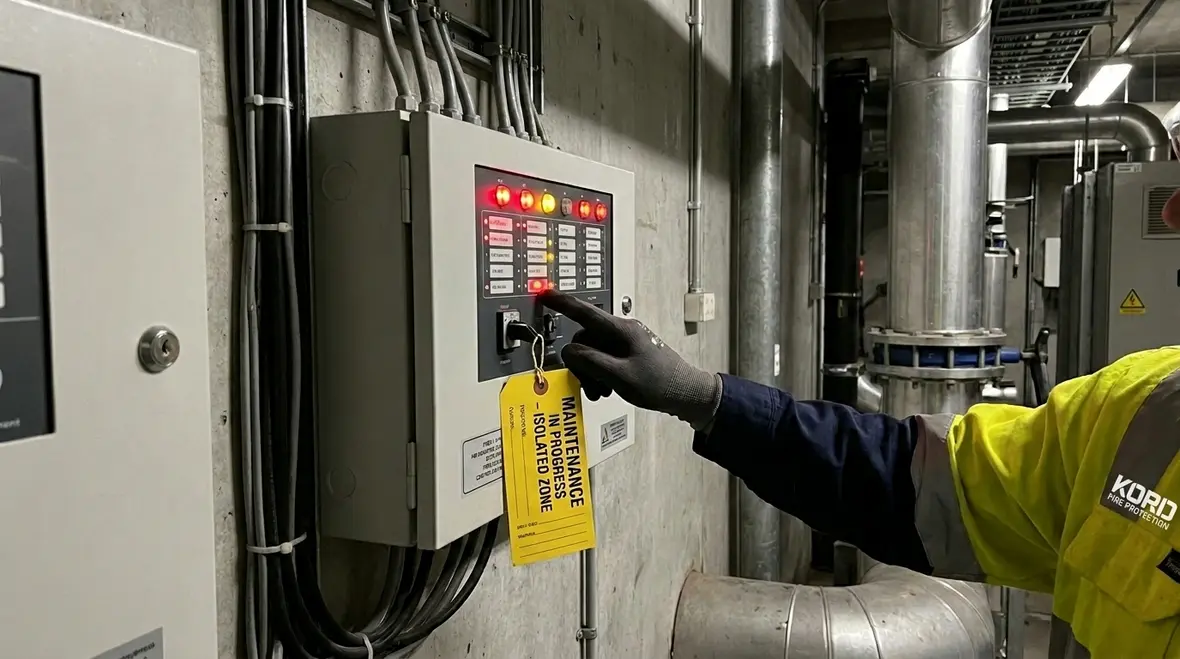
- Isolate using the correct method so the system reports the condition properly and avoids silent failures.
- Record every change with time, reason, device identifiers, and responsible parties.
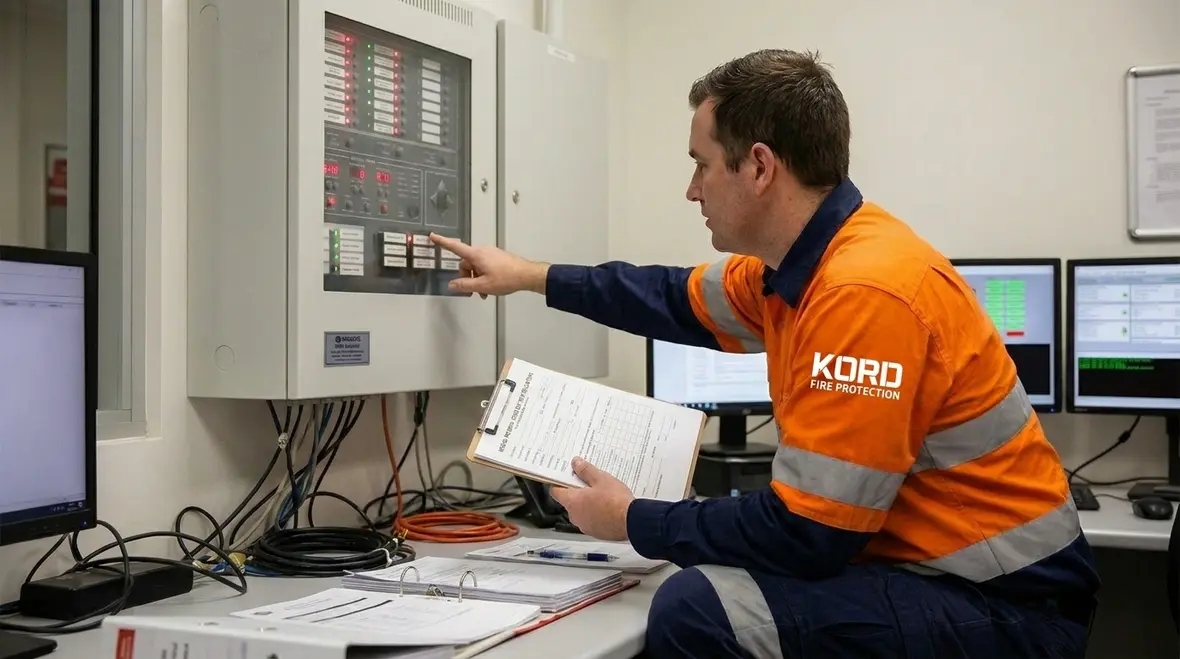
- Return to service with verification including device checks and a controlled re-enable of signals.
In other words, isolation must not become a “set and forget” habit. Once the work ends, the system needs to prove it is back in the right state. Otherwise, the facility ends up with a paper trail that says everything and a system that does not.
A strong process also reduces friction between operations and compliance. Instead of scrambling around busy hours or waiting for someone to remember what changed three shifts ago, the site has a visible sequence: assess, isolate, monitor, document, restore, verify. Simple in theory, yes. Still easy to mess up without discipline, also yes.
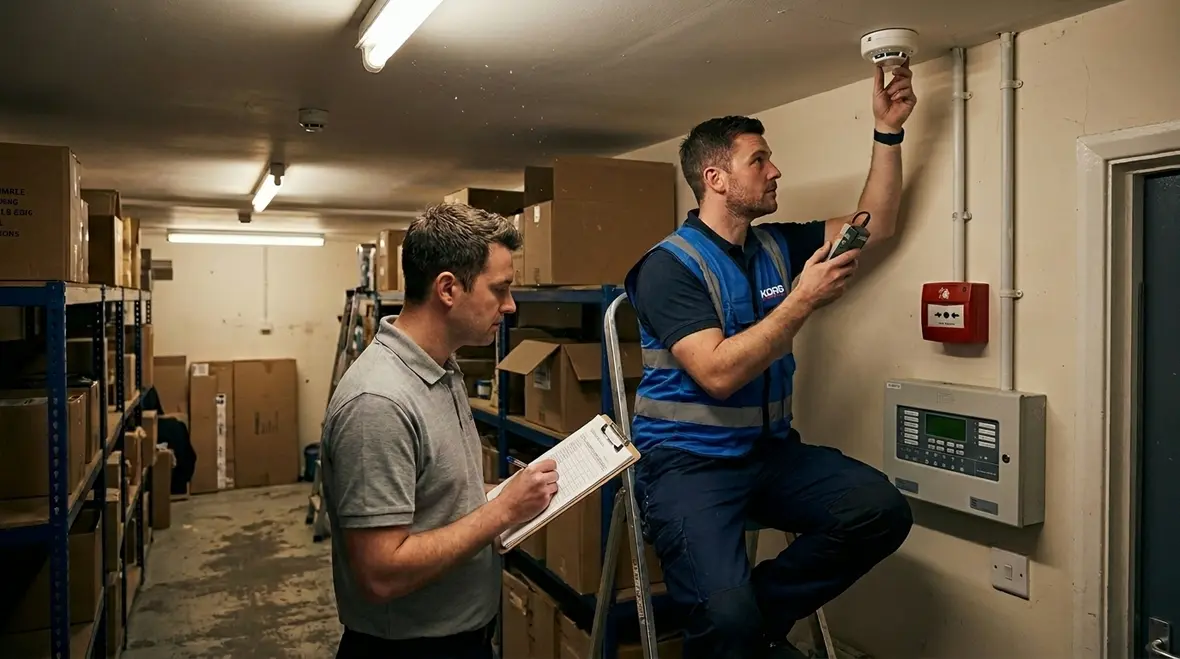
Common mistakes that increase risk
Many problems do not come from bad intentions. They come from shortcuts, misunderstanding, or time pressure. For facilities with multiple contractors and shift handovers, confusion can spread fast.
Where sites usually slip up
- Isolating too much and reducing coverage beyond what the job actually requires
- Leaving isolation active longer than intended due to delays, miscommunication, or late approvals
- Failing to log changes so future inspections cannot confirm what happened and why
- Not verifying restoration after work finishes, which creates “looks normal” conditions while parts remain unavailable
- Skipping compensating measures during high-risk periods
- Using informal workarounds that do not align with how the panel reports trouble and isolation states
Pop quiz for busy sites: if a panel shows something was isolated, can the site immediately explain which zone it was and when it returns to service? If the answer is “we think so,” that is not an answer. That is a plot twist.
The trouble is that these mistakes often look harmless in the moment. One delayed sign-off here, one missing note there, one assumption that someone else already restored the point. Then an audit, a fault, or an actual emergency asks for details, and the site suddenly wishes memory counted as documentation.
How Kord Fire Protection partners with isolation work
When a facility needs fire alarm isolation, the right partner does not just “do the isolation.” Our company, Kord Fire Protection, brings structured control and clear communication across industrial, retail, and commercial environments throughout Australia.
Because worksites vary, Kord Fire Protection aligns isolation with the actual job plan and the site’s operational risk. That means responsible documentation, correct use of isolation methods, and verification that the system returns to a safe, monitored state. In addition, Kord Fire Protection helps teams understand the difference between temporary isolation for legitimate work and unmanaged loss of coverage.
One practical way Kord supports projects is by reducing handover confusion. Contractors come and go, but the fire system record should remain consistent. Therefore, Kord focuses on consistent labeling, accurate time stamps, and clean return-to-service checks that make inspections less stressful.
Dual column support snapshot
| Kord Fire Protection helps with | Why it matters on site |
| Controlled isolation planning | Limits coverage loss to only what the job needs |
| Clear records and device identifiers | Improves audit readiness and reduces guesswork |
| Return-to-service verification | Ensures the system truly returns to monitored status |
| Communication with stakeholders | Prevents delays and missed safety steps |
FAQ: fire alarm isolation and controlled procedures
Final call for safer fire alarm isolation
When a facility needs isolation for maintenance, repairs, or upgrades, it should never feel like a gamble. With the right planning, documentation, and verification, teams protect people and stay audit-ready. Kord Fire Protection helps industrial, retail, and commercial sites across Australia run fire alarm isolation with confidence, calm, and control. Contact Kord Fire Protection to review your next job plan and strengthen your fire safety management today.