Pre Action and Deluge Suppression for High Risk Facilities
Quick Answer: Pre-Action and deluge fire suppression protect high risk facility areas by wetting or triggering sprinkler systems only when sensors confirm fire conditions. In Australia, these systems suit warehouses, processing plants, data-heavy spaces, and other high hazard zones. Kord Fire Protection can plan, install, test, and maintain them so compliance stays steady.
In Australia, high risk facility fire safety often comes down to one question: when a fire starts, how fast does the system respond without wasting water, disrupting operations, or triggering false alarms. Pre-Action and deluge systems answer that challenge with a controlled approach. They use detection to manage the water release, so the sprinkler heads stay ready but not “accidentally dramatic.”
And because high risk facilities do not run on luck, a capable fire protection partner matters. Our company, Kord Fire Protection, steps in as a vital partner for design support, commissioning, inspections, and ongoing service. In other words, when the stakes are high, we do not just show up. We help the system perform as intended.
For facilities already thinking about broader system strategy, it also helps to understand how dedicated fire suppression systems fit into a high hazard protection plan. That context makes it easier to compare where pre-action and deluge do their best work, and where another approach may belong beside them.
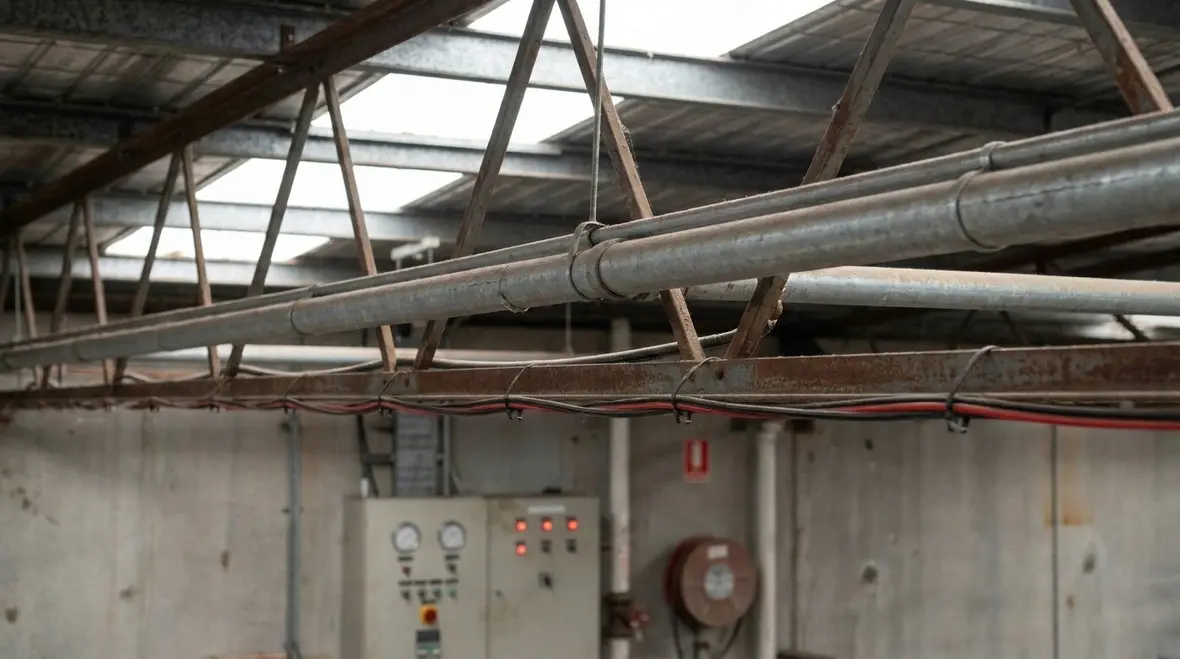
What are pre action and deluge suppression systems, and why do they matter?
Pre-Action and deluge systems work in high hazard environments where accidental discharge creates major damage, and delayed detection creates major risk.
In a pre-action system, the system holds water back until a chain of events confirms a fire. Typically, detection triggers a supervisory or pre-action state, and then opening conditions release water to the piping. This approach reduces the chance of discharge from pipe leaks or accidental activation.
In a deluge system, the design takes a different path. Once the control equipment confirms fire conditions, water flows immediately through open sprinkler heads. However, these heads are typically open or arranged to allow rapid discharge. As a result, deluge suits scenarios where fast water application matters more than preventing every possible accidental discharge.
For many facilities, this is not just about fire. It is about protecting production, maintaining continuity, and avoiding expensive downtime. Also, for the folks running operations, it is nice when the fire system does not behave like a prankster.
Why the control sequence matters
The practical difference between these systems is not just a valve arrangement. It is the decision-making path behind the response. Pre-action adds a layer of verification before water enters the pipework, which is useful where water damage can be nearly as disruptive as the fire itself. Deluge favors immediate, wide-area application once the fire signal is confirmed, which suits fast-moving hazards that do not wait politely.
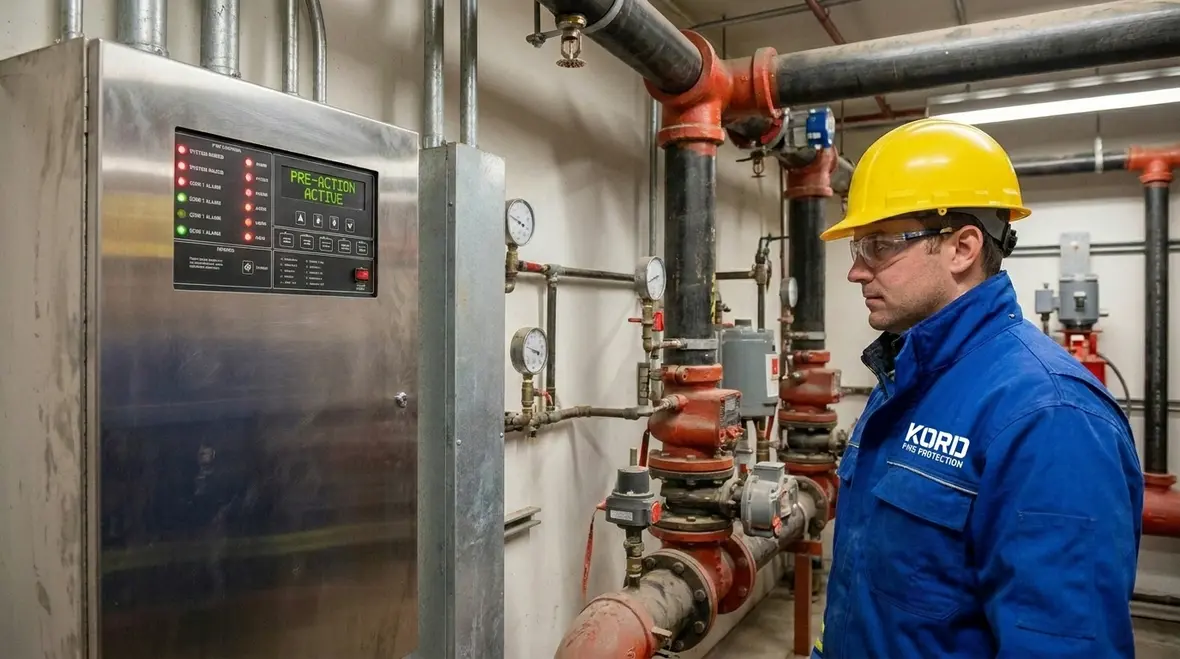
How do high hazard triggers and detection workflows reduce false discharges?
Fire protection in industrial and commercial settings demands careful logic. Therefore, these systems rely on detection events and control sequences that aim to confirm the situation before water flows.
First, detection devices monitor heat, smoke, or flame signatures in defined zones. Next, the control panel verifies conditions based on programmed logic. Depending on the system design, it may require one detector, multiple detectors, or a combination of events.
Then the system enters a controlled state. With pre-action, the piping may pressurize or enter readiness mode without immediately releasing water. With deluge, the system may open valves promptly after the confirmed signal. Either way, the workflow reduces accidental discharge and supports a more predictable outcome for emergency response teams.
Importantly, facilities often include complex hazards like conveyors, compressed storage, flammable liquids, or rapid fire growth scenarios. As those risks change, so must the detection strategy. That is where proper engineering and commissioning matter, and why ongoing verification keeps performance reliable over time.
Detection logic should match the actual hazard
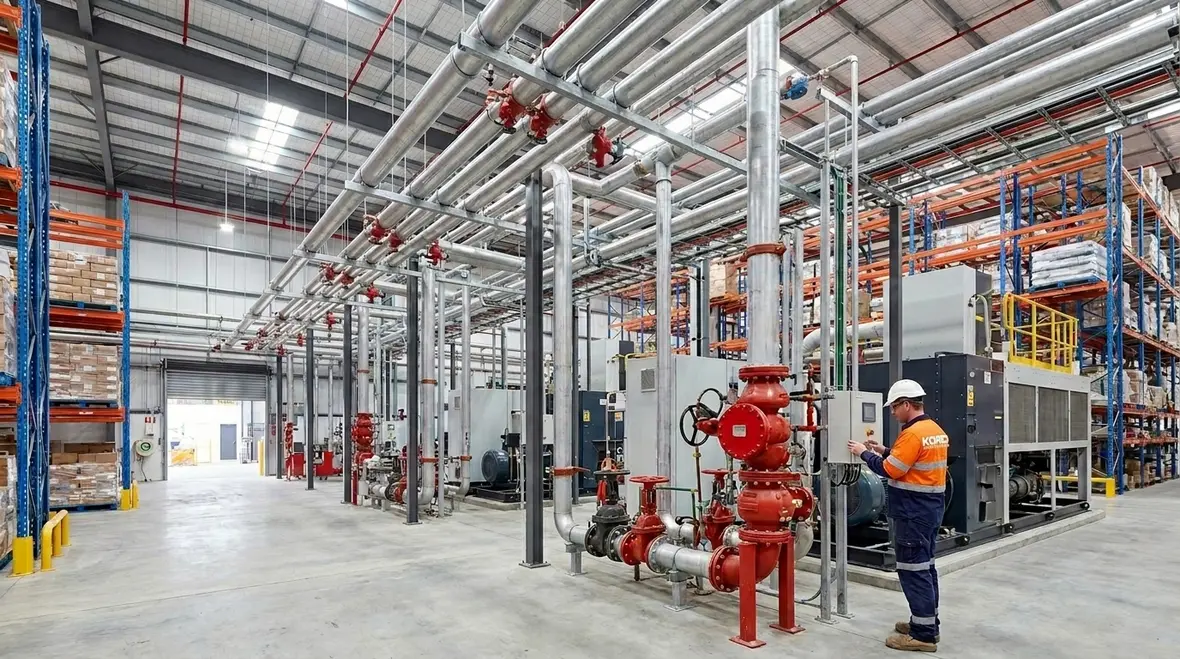
A warehouse with dense pallet storage behaves differently from a plant room with electrical controls or a processing area with liquid fuel risk. That means the same detection threshold or sequencing approach should not be copied from one environment to another just because it exists on a drawing somewhere. Good system performance comes from matching trigger logic to the fire development pattern the site is actually likely to face.
Where do these systems fit best in Australian industrial and commercial sites?
In Australia, high risk facility fire safety covers a wide set of environments. Pre-Action and deluge systems tend to suit places where hazards are concentrated or where water discharge risk is high.
- Warehousing and logistics centres with dense storage and rapid fuel load
- Manufacturing plants with process equipment and ignition sources
- Mineral processing, chemical storage, and treatment areas
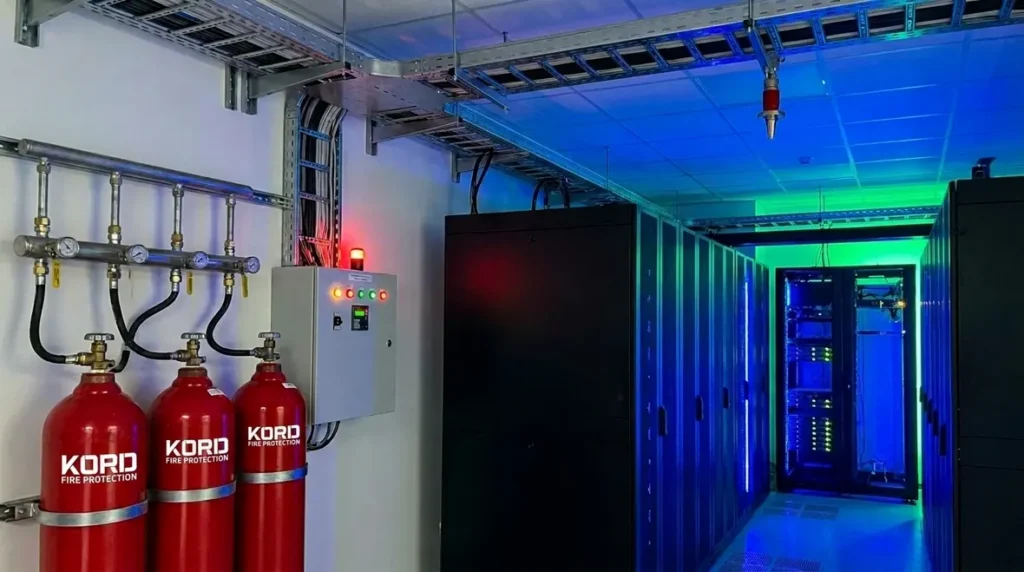
- Data and communication rooms where downtime costs escalate quickly
- Retail formats with high value fitouts, display assets, or specialised storage
- Commercial and industrial plant rooms with electrical and control risks
Moreover, these systems support situations where a delayed discharge could allow a fire to spread through combustible pathways. Meanwhile, pre-action can suit areas where accidental water damage becomes a major operational and financial problem.
When teams choose the right system for the right risk profile, they reduce both fire impact and nuisance events. And yes, that means fewer “why did water just go off” meetings that nobody wants to attend.
Sites that already run strict inspection routines often see the benefit more clearly because they can align detection, suppression, and service planning as one coordinated program rather than a stack of unrelated tasks. That is especially helpful in facilities where production schedules, contractor access, and shutdown windows all need to cooperate instead of argue.
What design and commissioning steps keep system performance predictable?
Good design does not end at drawings. It continues through commissioning, testing, and documentation that teams can trust when the real moment arrives.
At the design stage, engineers consider pipe sizing, valve selection, water supply capacity, deluge or pre-action configuration, and sprinkler arrangement. They also map hazard zones and ensure the detection coverage matches the fire growth risks. Then they coordinate alarms, interlocks, and emergency control functions.
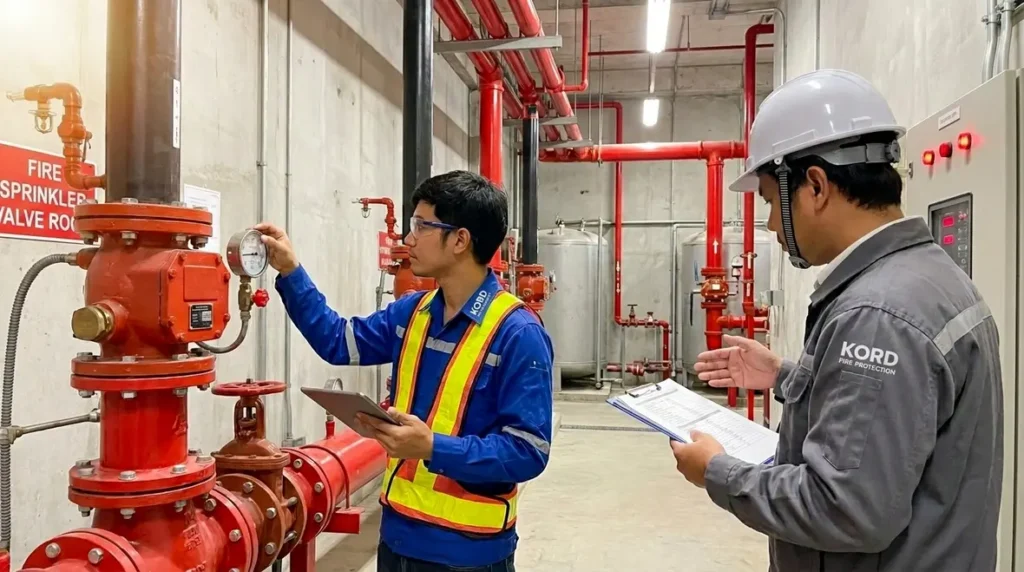
During commissioning, the team verifies that the system responds exactly as intended. That typically includes:
- Functional testing of detectors, control logic, and alarm signals
- Verification of valve operation timing and flow characteristics
- Inspection of pipework, strainers, and water delivery pathways
- Assessment of supervision states and fault reporting
- Documentation handover for compliance and future maintenance
Because facilities change over time, Kord Fire Protection works with clients to align the system to how the site actually operates. If equipment moves, storage layouts expand, or processes shift, the fire strategy should be reviewed. That keeps high risk facility fire safety grounded in the current reality, not last year’s floor plan.
Commissioning is where intent becomes proof
A system can look perfect on paper and still disappoint if sequencing, valve response, signaling, or supervision states are not verified under realistic conditions. Commissioning closes that gap. It translates design intent into observed performance, which is exactly what owners, managers, and auditors want when they ask whether the protection strategy is actually dependable.
How do inspections, maintenance, and testing support ongoing compliance?
Fire systems do not “set and forget.” They age, valves wear, detectors drift, and water supplies change. Therefore, inspections and maintenance keep the system dependable.
In practice, maintenance supports three outcomes. First, it reduces the chance of failure when a real emergency occurs. Second, it supports compliance expectations across industrial and commercial requirements. Third, it minimises unwanted downtime from system faults.
Routine activities often include visual inspections, testing of alarms and supervisory signals, verification of valve conditions, and checks of water flow and pressures where applicable. In addition, teams should ensure that documentation stays current so auditors and site managers can trace performance history.
When a facility handles high value assets or critical operations, small issues become big issues fast. A preventative program helps spot problems early. And it stops the classic scenario where the only time someone checks the system is right after a service request arrives with the urgency level of a movie countdown.
Kord Fire Protection provides ongoing support for clients across multiple facets and locations in Australia. As a partner, we help teams plan service windows, understand findings in plain terms, and keep the system ready for the next test, the next audit, and the next challenge.
Maintenance should track site changes, not just the calendar
A maintenance plan works best when it reflects real conditions on site. Storage density changes, plant upgrades, altered process lines, and revised occupancy patterns can all affect how suppression and detection should be reviewed. Keeping the service program tied to actual risk makes compliance more meaningful and system performance more predictable.

How can Kord Fire Protection support your high risk facility suppression project?
Choosing a fire protection partner should feel like choosing a reliable tradesperson, not like rolling the dice. Kord Fire Protection supports clients with a full lifecycle mindset for pre-action and deluge systems.
Depending on the project stage, our team can assist with planning and coordination, installation support, commissioning activities, and ongoing maintenance programs. We work to ensure the system matches hazard intent and performs under real operational conditions.
Also, we understand that industrial and retail facilities operate under schedules, constraints, and safety plans. Consequently, our approach focuses on clear communication, safe working practices, and practical documentation that helps decision makers move fast without cutting corners.
If the goal is calm, compliant, and dependable high risk facility fire safety, then Kord Fire Protection helps make that outcome more likely. In fire protection, certainty is the best kind of confidence.
FAQ
Conclusion: High risk facility fire safety depends on more than hardware. It depends on correct design, dependable commissioning, and disciplined maintenance. If your facility needs pre-action or deluge suppression support, Kord Fire Protection can be the steady partner your site deserves. Reach out to discuss your hazards, system goals, and service schedule. Then let the right controls do their job, quietly and confidently, long before anyone needs them for real.